How to Potty Train a Border Collie Puppy
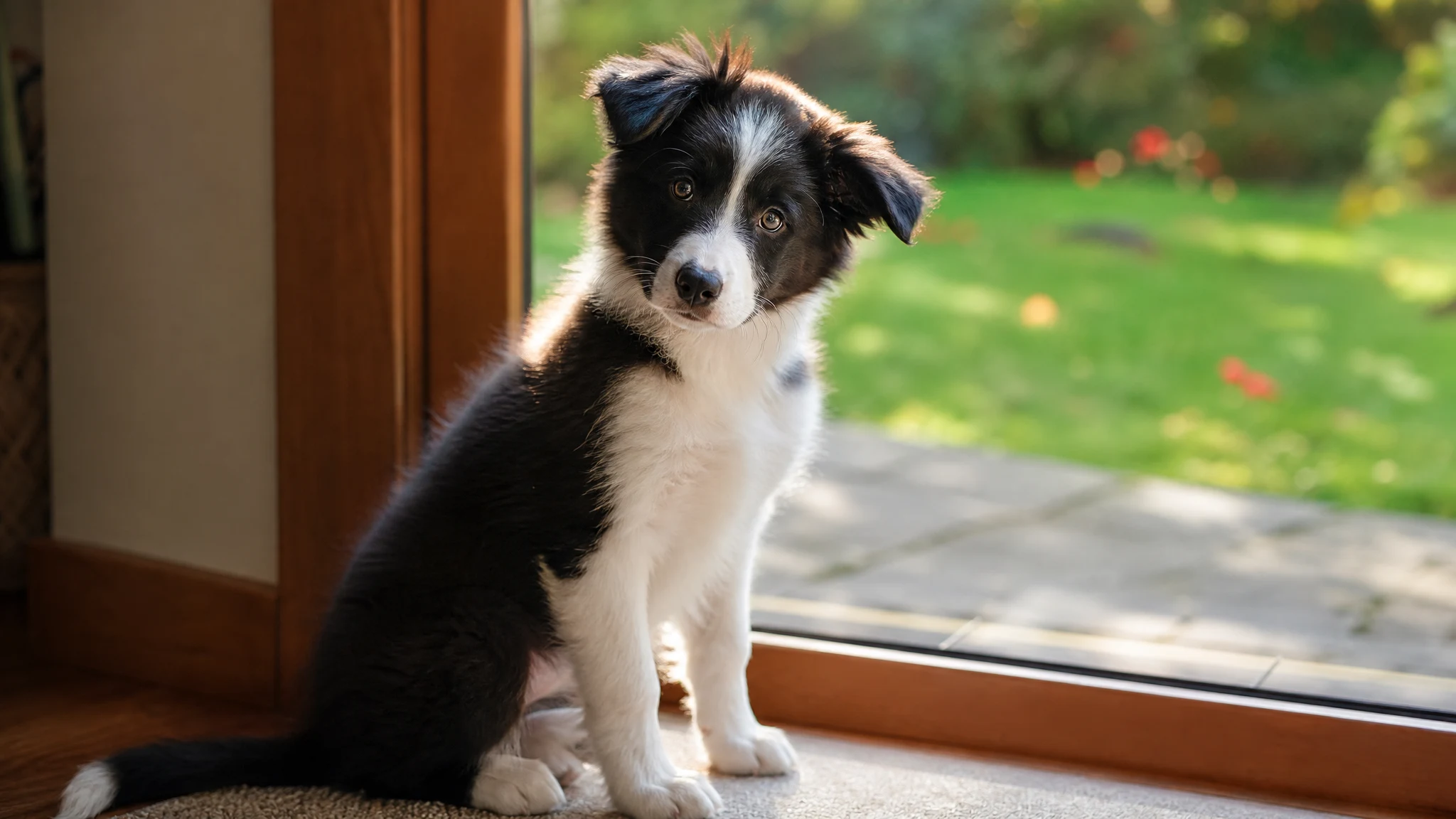
General training information. Every dog is an individual; for health or behavior concerns, see your veterinarian.
Border Collie potty training is mostly about structure. This is a breed the American Kennel Club (AKC) rates 5 out of 5 for trainability, on a scale where 5 means eager to please. That is a real head start. It does not mean the job does itself.
A bright puppy can learn the wrong routine as quickly as the right one. If you let a puppy wander and have accidents, the habit sets in fast. This guide shows how to potty train a Border Collie with a simple schedule, a crate, and calm handling of mistakes.
Why This Breed Suits a Schedule
The AKC rates the Border Collie 5 out of 5 for energy and for mental stimulation needs, and describes the breed as one that needs a job or activity. House training is a good first job. It gives a busy mind clear tasks: go to the spot, do your business, earn a reward.
The AKC lists the adult height at 19 to 22 inches for males and 18 to 21 inches for females, and the weight at 30 to 55 pounds. That is a medium-sized dog. A puppy will not stay small, so plan your gear and your yard routine for a dog that grows quickly.
Individual dogs vary. Some puppies pick this up fast and others take longer. Treat any timeline below as a rough guide, not a promise.
What You Need Before Day One
- A crate. It should be big enough for the puppy to stand, turn around and lie down. Many owners choose one with a divider so it can grow with the dog.
- Small, soft treats. Pick something the puppy loves and can swallow fast. Keep them in a pouch or your pocket.
- A leash and a collar or harness. A flat collar or a front-clip harness is fine. Avoid shock, prong and choke collars. They have no place in house training.
- An enzyme-based cleaner made for pet messes. It helps remove the smell that draws a puppy back to the same spot.
- A notebook or phone note. You will log meals, naps, and each trip outside.
- A timer. It keeps you honest about how long it has been since the last trip.
- A playpen or baby gate. This limits where the puppy can roam when you cannot watch closely.
If you are still working on the bigger picture, our guide on how to train a Border Collie covers the wider training plan that house training fits into.
Step-by-Step: How to Potty Train a Border Collie
Step 1: Pick one potty spot
Choose a single patch of yard or one stretch of pavement near your door. Take the puppy to that exact place each time. The smell and the repetition help the puppy understand what the spot is for.
Stand still and stay quiet when you get there. A puppy that is busy greeting you or watching the street may forget why it came out.
Step 2: Build a daily schedule
Puppies need frequent trips. How long a young puppy can comfortably wait varies a lot, so ask your veterinarian what is reasonable for your puppy's age and health. Until you know, lean toward more trips, not fewer.
Take the puppy out at these times:
- First thing in the morning, before anything else
- Right after every meal
- After every nap
- After a play session or a training session
- Before the crate and before bed
- Any time you see sniffing in circles, whining, or heading for a corner
Feed at set times each day. A regular feeding routine tends to make potty times more predictable. Pick up the water bowl on a schedule your veterinarian is comfortable with, but never withhold water without asking them first.
Step 3: Use the crate as a rest spot
A crate works because most dogs avoid soiling the place where they sleep. It should feel like a bedroom, not a punishment. Toss in a treat, feed a meal there, and keep the door open at first so the puppy chooses to go in.
Use the crate for naps and for short stretches when you cannot supervise. Take the puppy straight outside when it comes out. Do not leave a young puppy in a crate longer than it can reasonably manage. If you are away for long hours, arrange a midday break with a family member or a pet sitter.
The AKC says this breed can be too much dog for owners who lack the time or energy to keep it occupied. That matters here. A puppy shut away for hours with nothing to do is more likely to cry, bark and have accidents. The AKC rates barking at 4 out of 5, so a bored puppy may be loud.
Step 4: Take the puppy out on leash, every time
Walk the puppy to the potty spot on a leash, even in a fenced yard. A leash keeps the trip short and focused. Without one, a lively puppy may turn the trip into a play session.
Give the puppy a few minutes. If nothing happens, go back inside and put the puppy in the crate or the playpen for about ten minutes, then try again. Do not let the puppy roam free after a failed trip. That is when many accidents happen.
Step 5: Add a cue word
As the puppy starts to go, say a short phrase such as "go potty" in a calm voice. Say it only once or twice. Over time, the puppy links the words to the action, and the cue can help later when you are travelling or in a hurry.
Step 6: Reward right away
The instant the puppy finishes, praise and give a treat. Timing matters. A reward that comes after the puppy walks back to the door is a reward for walking to the door.
Rewards for the right behavior are the approach recommended by the American Veterinary Society of Animal Behavior (AVSAB). This method fits a breed that likes to work for a reason.
Step 7: Supervise indoors
When the puppy is out of the crate, keep it within sight. Keep it on a leash tied to your belt, or in a gated room where you can see it. Most accidents happen when no one is watching.
Watch for early signs: sudden sniffing, circling, or wandering off. When you see them, calmly lead the puppy outside. Do not scoop it up and rush, as this can scare a young puppy.
Step 8: Stretch the gaps slowly
When the puppy has gone many days without an accident, give a little more freedom. Open up one more room. Add a bit more time between trips. If accidents return, go back a step. That is normal and not a failure.
What to Do About Accidents
Accidents will happen. How you handle them decides whether the puppy learns or learns to hide.
- If you catch the puppy in the act, interrupt with a calm "oops" and lead it outside. Reward if it finishes there.
- If you find a mess later, clean it and move on. The puppy cannot connect a scolding to something it did earlier.
- Never rub the puppy's nose in it, yell, or punish. It teaches the puppy to fear you or to sneak off to go in private. AVSAB guidance favors reward-based training over punishment.
- Clean with an enzyme cleaner. Ordinary cleaners may leave a scent the puppy can still find.
Every accident is useful information. Ask yourself what was missed: a trip, a sign, a gap in supervision. Then adjust the plan.
Breed-Specific Things to Plan For
An active mind needs outlets
The AKC says Border Collies need vigorous daily exercise and a job. A puppy that gets plenty of outlets for its mind and body is usually easier to settle in the crate. Use short training games, food puzzles and sniffing walks. Keep play age-appropriate, and ask your veterinarian how much exercise is right for a growing puppy.
Socialization and potty spots
The AKC calls early socialization especially important for this breed, from early puppyhood through about seven months. The AKC also notes that Border Collies may be reserved with strangers. Once your veterinarian says your puppy is ready for public outings, practice going to the potty spot in a few new places. Do it calmly and with treats, so the puppy learns the skill is not tied to one patch of yard.
Herding instincts and a clever puppy
The AKC notes this breed tends to herd animals and people. A puppy may nip at heels or circle you on the way to the door. Stay calm and keep moving. Reward the puppy for walking nicely beside you.
Smart is not the same as finished
Intelligence helps a puppy understand the routine. It does not replace repetition. A clever puppy may also work out that crying gets attention, or that the best time to go is right after you walk back inside. Stay consistent, and let everyone in the household follow the same plan.
Common Mistakes to Avoid
- Too much freedom, too soon. A free-roaming puppy will find a quiet corner.
- Skipping the leash. The trip turns into play, and the puppy forgets the point.
- Late rewards. Treat and praise at the spot, not at the door.
- Punishing accidents. It creates fear and slows progress.
- Changing the routine. Different family members using different rules confuses the puppy.
- Long crate stretches. A puppy forced to soil its crate may lose the habit of keeping it clean.
- Not enough activity. A bored, under-exercised puppy tends to invent its own entertainment.
How Long Does It Usually Take?
There is no fixed number of days. Some puppies make steady progress within a few weeks, while others take several months to be reliable. Age, past experience, how consistent the household is, and the individual dog all play a part.
Many people find that a puppy goes through ups and downs. A puppy that had a good week may slip when the routine changes or when it gets more freedom. That does not mean the training has failed.
With a steady schedule, regular rewards and patient handling, most owners can reasonably expect fewer accidents over time. Results depend on the dog and the household, and none of it is guaranteed.
When to Call Your Veterinarian
If your puppy suddenly has more accidents, strains, passes blood, or seems to be in pain, call your veterinarian. Medical problems can look like training problems. Your veterinarian is also the right person to ask about feeding schedules, water access and how long your puppy can safely wait between trips.
If accidents continue well past the point you expected, a qualified trainer who uses reward-based methods can look at your routine and suggest changes.
Quick Daily Checklist
- Take the puppy out first thing in the morning, on leash, to the same spot.
- Feed meals at set times and go out soon after each one.
- Go out after naps and play.
- Reward immediately when the puppy finishes.
- Supervise or crate. Never leave the puppy loose and unwatched.
- Clean accidents with an enzyme cleaner and stay calm.
- Log successes and misses so you can spot patterns.
- Finish the evening with a last trip before bed.
Final Thoughts
House training a Border Collie rewards patience and routine. The breed's quick mind works in your favor, as long as you give it clear, consistent guidance. Keep the schedule tight, keep the crate cozy, and keep your reactions calm.
Once the basics are in place, you can build on them with the rest of your puppy's education. Our complete guide to training a Border Collie is a good next step.