How to Train a Border Collie: The Complete Guide
General training information. Every dog is an individual; for health or behavior concerns, see your veterinarian.
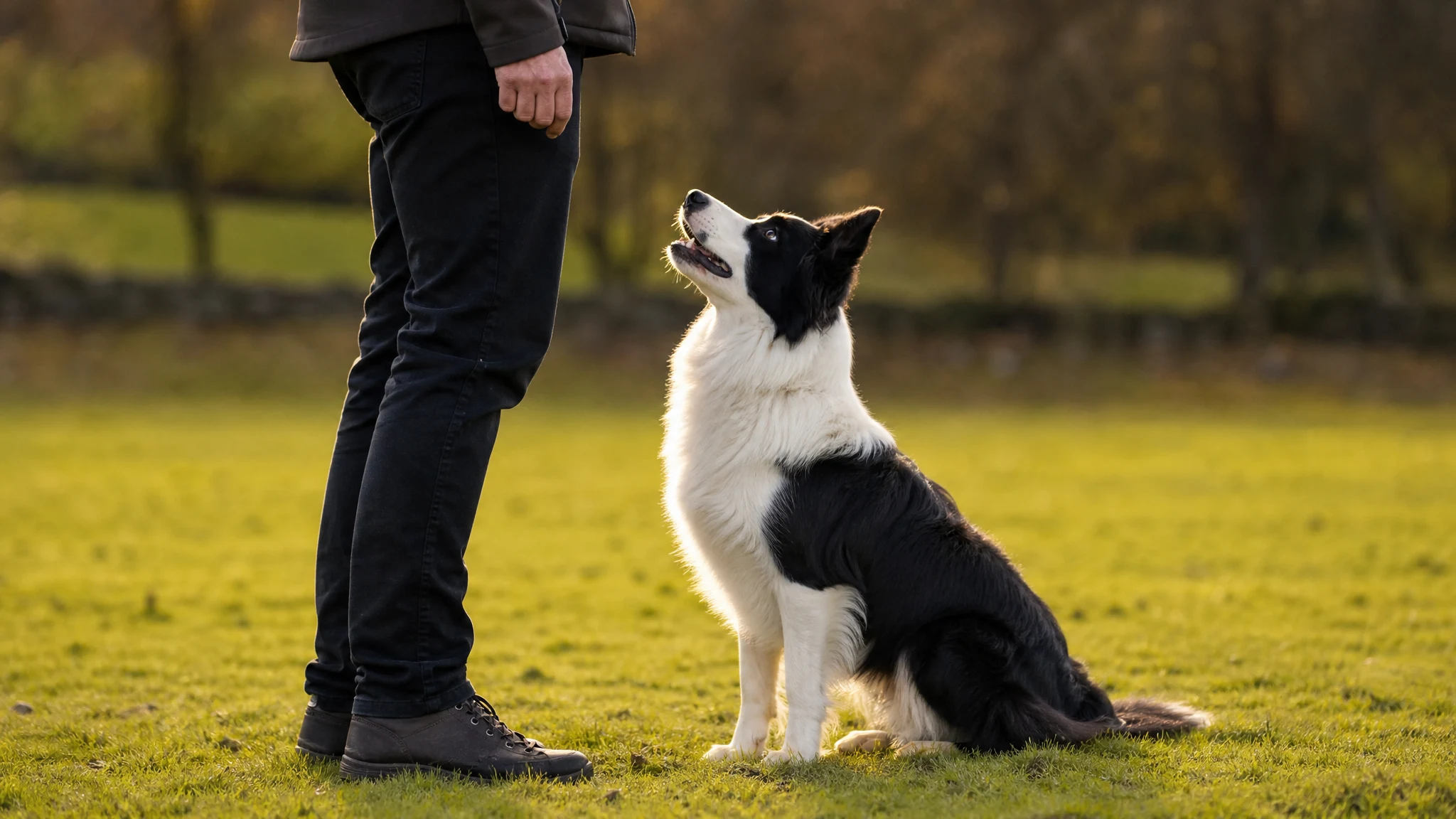
A Border Collie can learn almost anything you can show it clearly. That is the good news, and it is also the warning. A dog this quick will learn your mistakes just as fast as your cues.
This guide covers border collie training from the first week home to adulthood. It explains what the breed was made to do, why that shapes everything, and how to build habits that last. If you want to know how to train a Border Collie without fighting its nature, start with the work it was bred for.
In this guide
- What the Border Collie Was Bred to Do
- Know the Dog: Temperament and Traits
- The Puppy Stage: Socialization and Foundations
- Growing Up: Adolescence to Adult
- Motivation That Works for This Breed
- Exercise and Mental Work
- Challenges to Plan For
- Sources
Key takeaways
- The Border Collie is a sheepdog first. The Border Collie Society of America (BCSA) breed standard describes gathering and fetching stock, controlling it with "eye" and a stalking movement.
- The AKC rates the breed 5 of 5 for trainability, energy level and mental stimulation needs. A dog like that needs a job.
- Socialization matters most from early puppyhood through about seven months, according to the AKC.
- Use reward-based methods. They fit this breed and they are the approach supported by the American Veterinary Society of Animal Behavior (AVSAB).
- Plan for herding behavior, barking, reserve with strangers, and exercise-related health concerns. Individual dogs vary.
- Health questions belong with your veterinarian.
What the Border Collie Was Bred to Do
The AKC lists the Border Collie's origin as England and Scotland. The BCSA's copy of the AKC breed standard places it in the border country between the two. The AKC recognized the breed in the Herding Group in 1995.
The original job was sheep. The breed standard, as published by the Border Collie Society of America, describes a dog that gathers and fetches stock using wide outruns, then controls the animals with "eye" and a stalking movement. The same source notes the breed is still used as a working sheepdog worldwide.
Why history matters at your kitchen table
Every behavior you meet in a pet Border Collie has a job behind it. The staring, the crouching, the circling, the intense focus on movement: these come from work with livestock.
The breed standard also says the dog was selected for "biddable stock sense" and can work out of sight of the handler without commands. That is a useful clue for training. This is a dog bred to think and make decisions, not just wait for orders.
Good training takes that into account. You are not trying to switch off the dog's instincts. You are giving them a place to go.
Two worlds of Border Collies
The breed has two overlapping communities. One is the AKC and BCSA world of conformation and dog sports. The other is the working stockdog world, with the American Border Collie Association (ABCA) as a working-dog registry and the United States Border Collie Handlers Association (USBCHA) running sheepdog and cattledog trials with annual National Finals.
Dogs from different backgrounds can differ, so ask any breeder about the working or sport background of the parents. If you want specifics about registration or trials, check with the organizations directly.
Know the Dog: Temperament and Traits
The AKC summarizes the temperament as energetic, affectionate and smart. It also calls the breed a bright workaholic that may be too much for owners without the time or energy for it. The BCSA breed standard adds that the dog is keen, alert and responsive, affectionate with friends, may be reserved with strangers, and should never be shy or fearful.
Here are the AKC's own ratings for the breed. Each is a score from 1 to 5 on the AKC's scale.
| Trait (AKC scale) | Rating |
|---|---|
| Energy level | 5 of 5 (High Energy) |
| Trainability | 5 of 5 (Eager to Please) |
| Mental stimulation needs | 5 of 5 (Needs a Job or Activity) |
| Playfulness | 5 of 5 (Non-Stop) |
| Affectionate with family | 5 of 5 (Lovey-Dovey) |
| Adaptability | 5 of 5 (Highly Adaptable) |
| Barking level | 4 of 5 |
| Openness to strangers | 4 of 5 |
| Good with young children | 3 of 5 (With Supervision) |
| Good with other dogs | 3 of 5 (With Supervision) |
| Shedding | 3 of 5 (Moderate) |
| Watchdog and protective nature | 3 of 5 (Occasional) |
The AKC lists size at 19 to 22 inches for males and 18 to 21 inches for females, with a weight of 30 to 55 pounds and a life expectancy of 12 to 15 years. A dog that lives that long is a long commitment to training and enrichment.
Ratings describe the breed as a whole. Your own dog may sit anywhere on these scales, and that is normal.
The Puppy Stage: Socialization and Foundations
Border collie training tips often start with commands. For a puppy, start with experience instead.
Socialization comes first
The AKC says early socialization is especially vital for the breed, from early puppyhood through about seven months. This matters because the breed can be reserved with strangers. Wide, happy exposure helps a puppy learn that new people, places, sounds and surfaces are ordinary.
Keep it positive and paced. Good socialization looks like this:
- Short, calm meetings with a variety of friendly adults, with treats for relaxed behavior.
- New surfaces, such as grass, tile, gravel and stairs.
- Household noises at low volume, raised gradually.
- Car rides, handling of paws and ears, and brief grooming sessions.
- Calm, supervised time around well-mannered dogs and, when possible, older children who know how to behave around a dog.
Never force a puppy to approach something frightening. If your puppy freezes, backs away or hides, add distance and let it watch. Your veterinarian can advise on safe outings before your puppy has finished its vaccinations.
Early skills to build
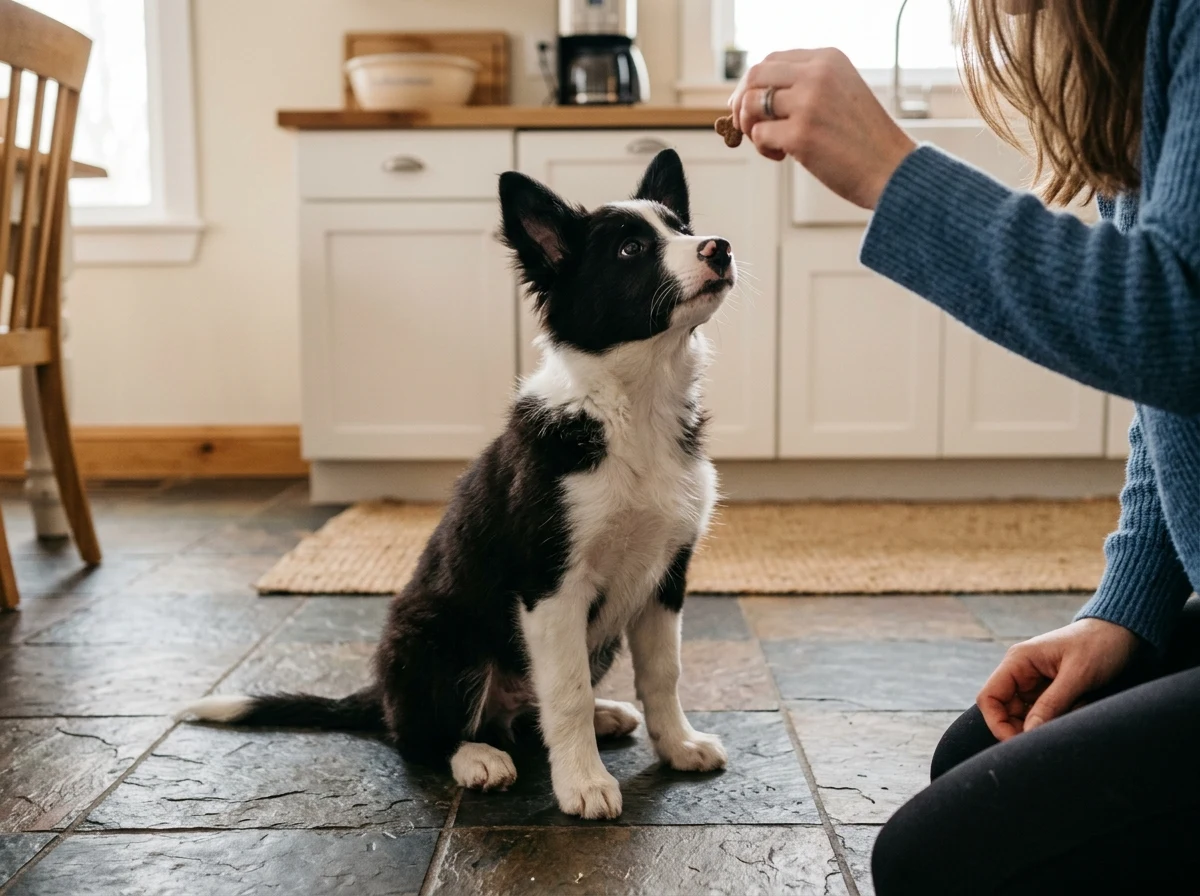
The AKC recommends obedience training early and for life, because it provides mental stimulation. Start with a handful of simple behaviors and keep sessions short.
- Name and eye contact. Say the name, reward when the puppy looks at you.
- Sit and down. Lure with a treat, then reward the moment the position happens.
- Come when called. Practice in quiet places first. Make arriving the best part of the dog's day.
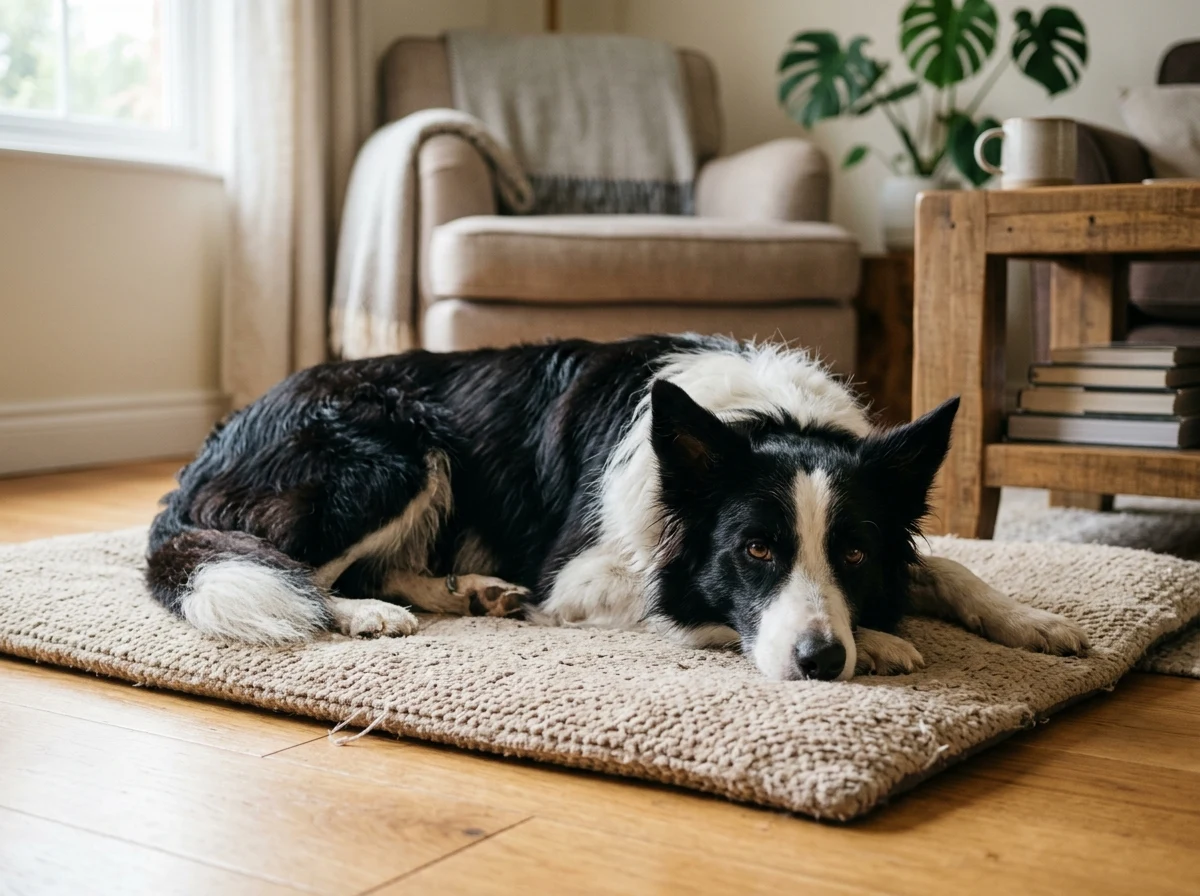
- Settle on a mat. Reward calm behavior and build up the time. This one is vital for a breed rated 5 of 5 for energy.
- Crate comfort and alone time. Build it in small steps so being alone feels normal.
Teach "off switch" skills early. Many owners of intense dogs spend so long building drive that they never teach the dog how to relax.
Mind the growing body
The BCSA Health Statement notes that growth plates close at about 12 months. For that reason, hold off on repetitive, high-impact work such as long runs or endless jumping while the puppy is growing. Ask your veterinarian what is appropriate for your dog's age and build.
Growing Up: Adolescence to Adult
The AKC says the socialization window is emphasized through about seven months, but training does not stop there. Many owners find that a well-behaved puppy becomes a distractible teenager. This is common in dogs generally, and a smart, driven breed can make it feel dramatic.
Adolescence: keep the rules steady
During this stage, go back to basics. Shorten the distance for recalls, reward more often, and avoid setting the dog up to fail in distracting places.
- Keep sessions brief and end while the dog is still keen.
- Raise difficulty one step at a time: distance, then duration, then distraction.
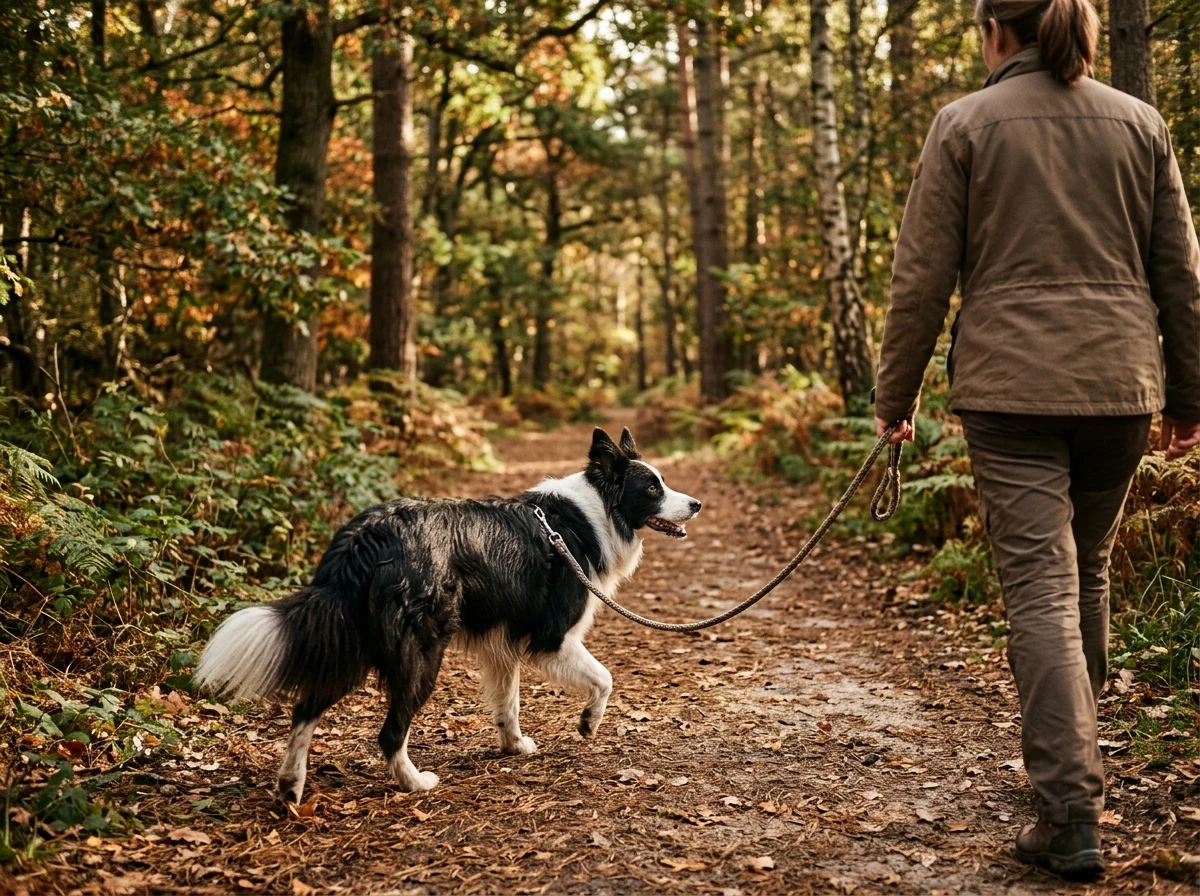
- Use a long line for recall practice in open areas rather than hoping for the best.
- Keep up socialization. Reserve with strangers can grow if good experiences stop.
Young adult: add real jobs
Once the basics are solid, expand. The AKC says the Border Collie needs a job such as agility, herding or obedience to be happy, and it calls the breed a superstar at all three.
You do not need to compete. Use structured work to channel the dog's focus:
- Trick training, such as spin, back up, find it and fetch a named toy.
- Scent games and hide-and-seek with a favorite toy.
- Beginner classes in agility, rally or obedience.
- Nose work or tracking-style games at home.
Adult dogs: maintain and refresh
Adult training is about upkeep and variety. Keep practicing the core skills, and add something new every few weeks. The AKC points to lifelong obedience training for mental stimulation, and with a life expectancy of 12 to 15 years, there is plenty of time to keep learning.
Rescued or adopted adults can learn, too. Start with relaxation, routine and trust, then add skills at the dog's pace.
Motivation That Works for This Breed
The AKC rates the Border Collie 5 of 5 for trainability. That does not mean the dog trains itself. It means the dog is highly responsive when you are clear and fair.
Use reward-based methods
The American Veterinary Society of Animal Behavior supports reward-based training. That means you mark the behavior you want and pay for it. It also means you avoid pain, fear and intimidation. Shock, prong and choke collars, alpha rolls, scruffing and dominance tactics have no place here.
These methods are a poor fit for this breed in particular. The BCSA standard says a Border Collie should never be shy or fearful. A harsh approach can damage trust in a sensitive, observant dog and may create the very problems you hoped to fix.
Find your dog's currency
Different dogs value different rewards. Test a few and keep a short list:
- Food. Use small, soft treats and count them into the day's meals.
- Toys and play. A tug or a thrown toy can be a strong reward for some dogs.
- Movement. Permission to chase, run or start a game can reward a well-timed behavior.
- Praise and attention. Useful, but rarely enough alone in a distracting setting.
The AKC rates the breed 5 of 5 for playfulness and for affection with family, so many owners find play and connection very motivating. Watch your own dog to see what it works hardest for.
Make the training clear
A dog that notices everything will also notice sloppy signals. A few habits help:
- Pick one cue word per behavior and stick to it.
- Mark the exact moment of success with a word like "yes" or a clicker, then deliver the reward.
- Reward the behavior you want before you need to correct anything.
- Break skills into small steps. If the dog fails twice, make the task easier.
- Vary rewards and locations so the skill holds up in real life.
Teach the dog to make good choices
Because the breed was selected for biddable stock sense and can work independently, you can build on that thoughtfulness. Reward the dog for checking in, for offering a sit when it wants something, and for choosing to ignore a distraction. Shaping games, where the dog tries ideas and you reward progress, suit a thinking dog well.
Exercise and Mental Work
The AKC says the breed needs daily exercise beyond a walk or a yard romp, and needs a job and space to run. It also says non-working dogs need vigorous daily exercise and are best suited to active owners rather than people who are often away from home.
That is a clear message. A bored Border Collie is likely to invent its own work, and you may not like the results.
Build a daily rhythm
A balanced day for an adult might include several parts. Adjust it for your dog's age, fitness and health, and ask your veterinarian before setting a heavy schedule.
- Physical outlet. Running in a safe, secure area, structured fetch, swimming where safe, or sport practice.
- Training time. Short sessions of new skills or refreshers.
- Brain games. Food puzzles, scatter feeding, scent games and trick learning.
- Rest. Time on a mat or in a crate, so the dog learns to power down.
Dog sports and jobs
The AKC lists herding events, obedience, agility, rally, tracking, flying disc and flyball as outlets, and says the breed dominates sheepdog trials and top-level agility. The BCSA Versatility Program recognizes herding, obedience, rally, agility, conformation, scent work, barn hunt, Fast CAT and dock diving, with herding required.
The USBCHA runs sheepdog and cattledog trials for working dogs. To try herding, contact a herding club or a trial organization in your area and ask about beginner opportunities. Check directly with the organization for current events and requirements.
Do not train to exhaustion
More is not always better. The University of Minnesota Canine Genetics Lab describes Border Collie Collapse as an episodic disorder triggered by strenuous exercise. The lab advises owners to watch for collapse during strenuous play, such as repeated ball retrieving, and to stop at the first sign of wobbliness.
Vary the activities, build in breaks, and avoid turning a ball into an obsession. If your dog ever wobbles, stumbles or collapses during exercise, stop and contact your veterinarian. This guide cannot diagnose a dog.
Challenges to Plan For
The Border Collie is affectionate, quick and eager. It can also be a lot of dog. Here is what to prepare for.
Herding people and animals
The AKC says the breed tends to herd animals and people and is best with older, well-behaved children. Expect nipping at heels, circling, staring and chasing moving things.
- Teach an alternative, such as sit or go to mat, when kids run past.
- Reward calm behavior around moving bikes, cars and runners, starting at a distance.
- Supervise all interactions between the dog and children. The AKC rates the breed 3 of 5, "with supervision," for young children.
- Give the herding drive a legal outlet through games, sports or herding lessons.
Reserve with strangers
The AKC says the breed may be reserved with strangers, while also rating openness to strangers at 4 of 5. Dogs differ. Keep greeting experiences pleasant, let your dog approach on its own terms, and never push contact. If your dog seems fearful or reactive, a qualified reward-based trainer or your veterinarian can help.
Barking
The AKC rates barking at 4 of 5. Teach a quiet cue, reward silence, and make sure the dog has enough exercise and mental work. A dog that barks from boredom needs more to do. A dog that barks from fear needs help with the fear, not punishment.
Too much dog for the household
The AKC warns that the breed can be too much dog for owners without the time or energy to keep it occupied. Be honest about your schedule. If you are away much of the day, think carefully before bringing one home, and plan for daily exercise and training time you will really keep.
Other dogs
The AKC rates the breed 3 of 5 for getting along with other dogs, meaning supervision is needed. Introduce new dogs gradually, watch body language, and reward calm, polite behavior. Herding-style chasing can annoy other dogs, so interrupt it early.
Health points that touch training
The Border Collie Society of America's breed health overview lists several conditions with DNA tests, including MDR1 drug sensitivity. It also lists epilepsy, lymphoma and Border Collie Collapse as conditions with no available test. The OFA and CHIC program lists hip evaluation, an annual ACVO eye exam until age 7, and participation in the DNA repository for the breed.
The ABCA Health and Genetics Committee gives upper estimates for the working-dog population of under 11 percent for hip dysplasia, under 5 percent for epilepsy and under 2.5 percent for collie eye anomaly (CEA). The ABCA recommends CEA eye exams before 12 weeks of age. The BCSA Health Statement says hips should be evaluated after 24 months.
The BCSA also recommends waiting until at least 12 months for spay or neuter. This is the club's position, not a veterinary consensus, so talk with your veterinarian about timing for your dog.
For anything about your dog's health, medication or drug sensitivity, ask your veterinarian. Do not rely on general articles for those decisions.
A short troubleshooting list
- Dog ignores recall. Go back to shorter distances, higher-value rewards and a long line.
- Dog cannot settle. Add structured rest, mat training and enough exercise, then reward calm moments.
- Dog stares or stalks. Interrupt early, redirect to a cue and reward the redirect.
- Training stalls. Make the task easier, change the reward or take a break.
Border collie training works best when it is consistent, kind and varied. Choose a few skills, practice often in short sessions, and give the dog real work to do. Do that, and you are working with the breed's nature instead of against it.
Sources
- AKC Border Collie breed page
- Border Collie Society of America, AKC Standard for the Border Collie
- Border Collie Society of America, About BCSA
- Border Collie Society of America, Breed Health Overview
- Border Collie Society of America, Versatility Program
- BCSA Health Statement, October 2016
- University of Minnesota Canine Genetics Lab, Border Collie Collapse
- OFA / CHIC, Border Collie
- ABCA Health and Genetics Committee, Genetically Linked Diseases in Border Collies (Aug 2015)
- American Border Collie Association
- United States Border Collie Handlers Association