 Border Collie
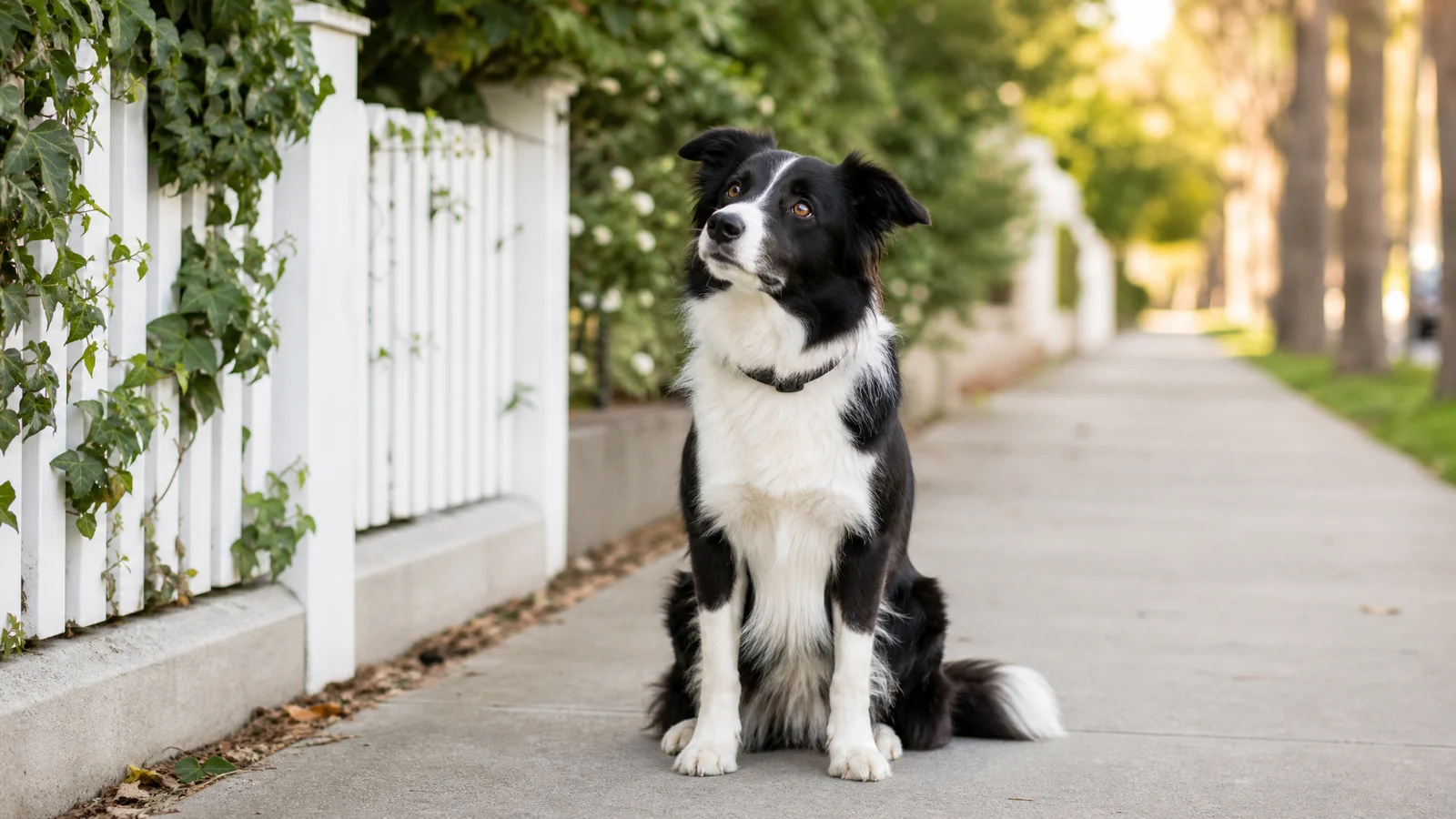
A Border Collie can learn quickly without learning what you meant. They notice where you stand, which hand holds food, when a door opens and what makes a game begin. If those details change, a cue that looked fluent in the kitchen may vanish on the sidewalk. Fast learning is valuable, but useful learning is the real goal.
We build useful training around a few working principles. Define one clear behavior, mark the right instant, prevent unwanted rehearsal and add difficulty in separate pieces. Teach rest as deliberately as action, because a bright working dog also needs a way to stop. This guide applies those principles to rewards, household management, walks, doors, crates and the daily routines where Border Collie training either becomes dependable or falls apart.
One Clear Border Collie Training Picture
Begin with a behavior you can see. Calm is too broad, while four paws on a mat is observable. Good manners are vague, while waiting behind the doorway until a release cue is clear. When the criterion is visible, everyone in the household can reward the same choice and the dog does not have to decode several definitions.
Break the final picture into pieces. If you want a Border Collie to settle on a mat while dinner is made, first reward approaching the mat, then paws on it, then lying down. Add kitchen movement only after the location and posture are easy. Marking small approaches is also how Best Friends describes building voluntary crate entry.
A release cue completes the picture. Without one, the dog must guess whether the behavior ends after the reward, when you move or when something more interesting appears. Say the release, invite them off and make the next repetition distinct. Clear endings matter to a dog who is ready to keep working after you thought the lesson was over.
Border Collie Rewards Carry Information
A reward does two jobs. Its timing identifies the behavior, and its value changes the chance that the behavior will happen again. The marker bridges the tiny gap between the correct instant and delivery. Choose a short word or click, pair it consistently with something your dog values and deliver the reward in the position that supports the next useful choice.
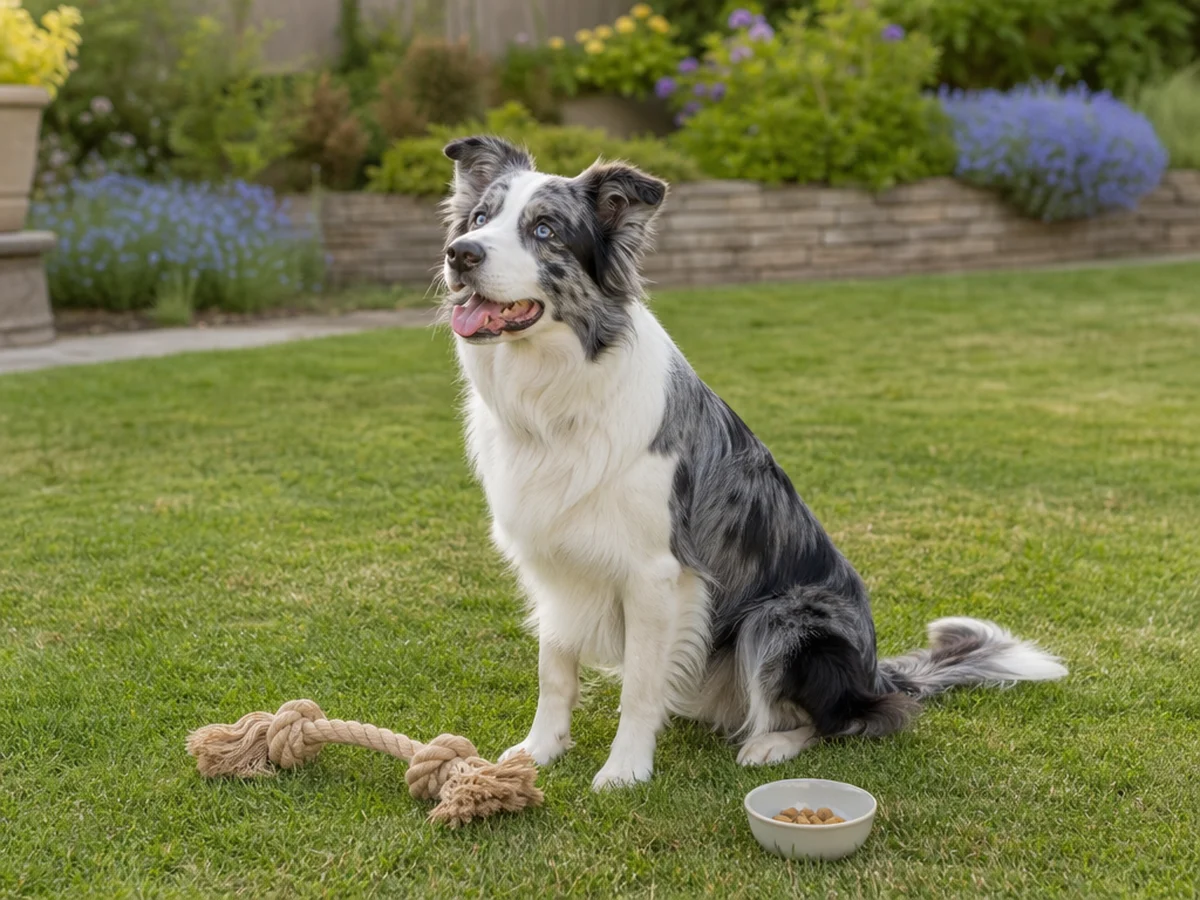
The reward training guidance explains that food, toys or praise can strengthen a behavior. For a Border Collie, the best option depends on context. Food is easy to deliver precisely. A toy can add too much speed to a calm exercise. Access to sniffing can reward a loose leash without turning the walk into a food trail.
This toolkit helps match the payment to the job. Choose the delivery that supports what should happen immediately after the reward.
| Training Job | Useful Reward | Delivery Choice |
|---|---|---|
| Mat settle | Small food | Place it between the front paws to support staying |
| Recall indoors | Food or a brief toy game | Reward close to your body before releasing again |
| Loose-leash check-in | Food or permission to sniff | Pay beside you, then release toward the scent |
| Crate entry | Food or a chew | Deliver inside so value stays in the resting space |
Watch whether the reward changes the behavior you wanted. If a toy makes the next repetition frantic, save it for an active skill. If ordinary food loses value in a distracting place, lower the difficulty before increasing the payment. The dog should be able to think, not merely chase the reward.
Management Before Training Is Ready
Management prevents practice while a skill is still young. A gate keeps a puppy away from running children. A leash keeps a dog from reaching the window. A closed door keeps food off the counter and removes the chance to rehearse jumping for it. These choices are not substitutes for training. They protect the lesson until the trained response is strong enough.
Border Collies were developed for purposeful work and independent decisions. That history is context for their alertness and intensity, not a training program for modern homes. If the environment offers a moving target all afternoon, the dog can spend all afternoon building a habit around it. Block the view, add distance and practice a rewardable response during short planned sessions.
Use management when any of these conditions applies. The aim is to stop accidental practice until the easier trained response is available.
- Your dog is too excited to take food gently or respond to a familiar cue.
- The setting contains a safety risk, such as traffic, an open door or fast movement around children.
- You cannot supervise closely enough to reward the useful choice as it happens.
- The unwanted behavior is repeating faster than the alternative behavior can be practiced.
- A new skill works in a quiet room but has not yet been taught in the current setting.
Good management lowers pressure on both sides. It lets you choose a teaching moment instead of reacting after the dog is already committed. Once the trained behavior becomes reliable, reduce the barrier in small steps and keep rewarding the choice you want.
Management should fade through planned trials. Open the gate while your dog is already settled, increase access to the window for a brief calm period or practice near the counter after food has been put away. Reward success and restore the barrier before attention unravels. The barrier comes back without drama whenever the trained response is not ready.
Training Difficulty in Separate Pieces
Difficulty has three common parts: how long the behavior lasts, how far you move and what distractions are present. Raise only one while the other two stay easy. A dog who can lie on a mat while you stand beside them is ready for either a little more time or one step of distance, not both plus a ringing doorbell.
Duration Before Distance
Build duration while you remain close. Reward at uneven intervals so your dog does not stand automatically after a predictable count. Release while the behavior is still intact. Once the dog can remain comfortable, take one step away and return promptly to deliver the reward in position.
If they follow, shorten the distance rather than repeating the cue. Following tells you the earlier picture was not strong enough for that step. Reset without fuss and make the next repetition easy enough to succeed.
Distractions at the Edge
Add distractions at a level where your dog notices but can still respond. A quiet tap comes before a knock, and a person standing still comes before someone running. Reward the first useful response, such as looking back at you or staying on the mat. If attention locks onto the distraction, increase distance or reduce movement.
This approach also protects social learning. Early exposure is most useful when the puppy can observe and recover, not when they are overwhelmed. Our guide to Border Collie trainability shows how the same quick learning can build useful habits or accidental ones.
Action and Rest in Border Collie Training
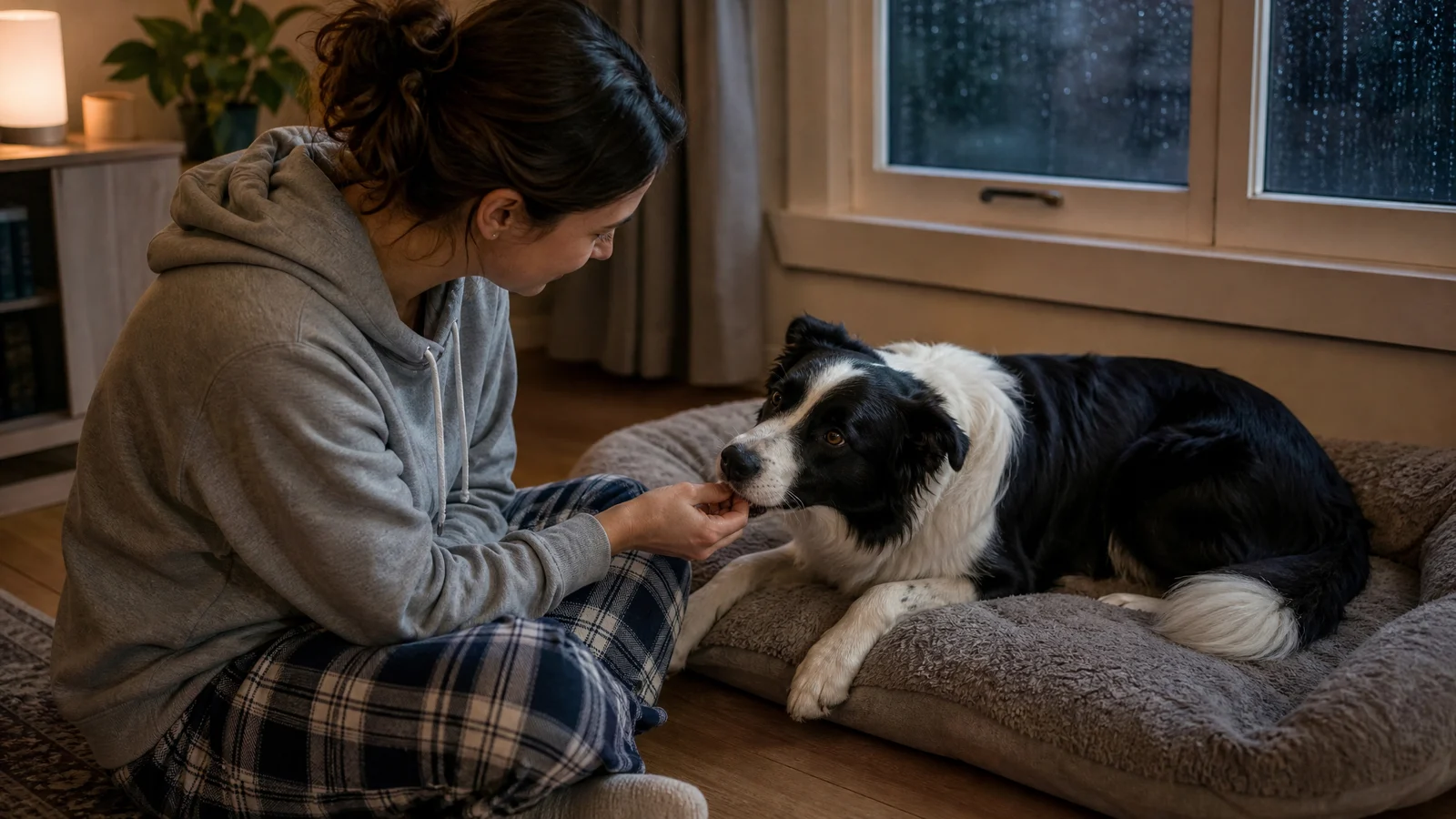
Training should not turn every interaction into a request for more activity. Alternate active skills with an explicit settle. After recalls, hand targets or a short search game, guide your dog toward a mat, reward a down and let the room become boring. The contrast teaches that work has a beginning and an end.
Active Skills Need an Ending
The breed's need for mental work makes enrichment useful. The enrichment guidance from the ASPCA notes that meals can become thinking opportunities through food puzzles. Use those tools as part of a balanced day, then put them away. Constant access can keep an intense dog searching for the next task instead of resting.
Rest Is a Trained Behavior
Crate training can support rest when the crate has been built as a comfortable choice. It should not be the place where an unsettled dog is expected to give up. The Border Collie crate training plan separates voluntary rest, a closed door and alone time so each skill can grow at the dog's pace.
Regular vet visits belong in the larger training plan. A sudden change in willingness, movement or behavior should not be treated as a stubborn training problem. Start with the dog's wellbeing, then adjust the lesson to what they can comfortably do.
Border Collie Training Across Daily Life
A cue is not fully learned everywhere simply because it works in one room. Practice in the places where you need it, starting with the easiest version of each setting. The daily routine offers many brief repetitions without requiring a formal session every time.
At doors, reward waiting and eye contact before the release. On walks, pay a loose leash beside you and then offer access to sniff. Before meals, ask for one calm behavior rather than a long chain. When visitors arrive, use distance and a mat before expecting greetings. During play, pause for a simple cue and restart the game as the reward.
Potty trips are training too. The same exit, destination, cue and immediate outdoor reward create a clean behavior chain. The Border Collie puppy potty routine shows how supervision and a field ledger keep that chain consistent while the puppy grows.
Keep sessions short enough that the last repetition is still clear. A highly responsive dog can continue offering behaviors after understanding has faded into excitement. Stop while your Border Collie can still shift from work to rest, and use the release cue so the ending carries as much information as the start.
Revisit old skills after meaningful changes. Moving homes, entering adolescence or changing the household schedule can alter which distractions matter. Begin with familiar criteria in the new context and rebuild fluency because a familiar cue may not transfer automatically. The lesson may be known while the setting is genuinely new.
Useful Border Collie Training for Life
Useful training survives three questions. Does the dog understand the behavior, can they perform it in the place where it matters and can they stop when the work is done? A fast response in the kitchen answers only the first. Build the other two through careful generalization and a practiced off switch.
Review the household rather than testing the dog. If a skill fails, lower one part of the difficulty, improve the reward or prevent more rehearsal of the competing behavior. Progress is not a straight climb. A new location, a new life stage or a busier day can make an old cue temporarily harder.
Border Collie training continues because the dog keeps noticing and learning. That is not a flaw to finish fixing. Give the mind clear pictures, timely information, useful outlets and permission to rest. Over time, the result is not merely a dog who knows cues, but a dog who can make good choices when ordinary life changes around them.
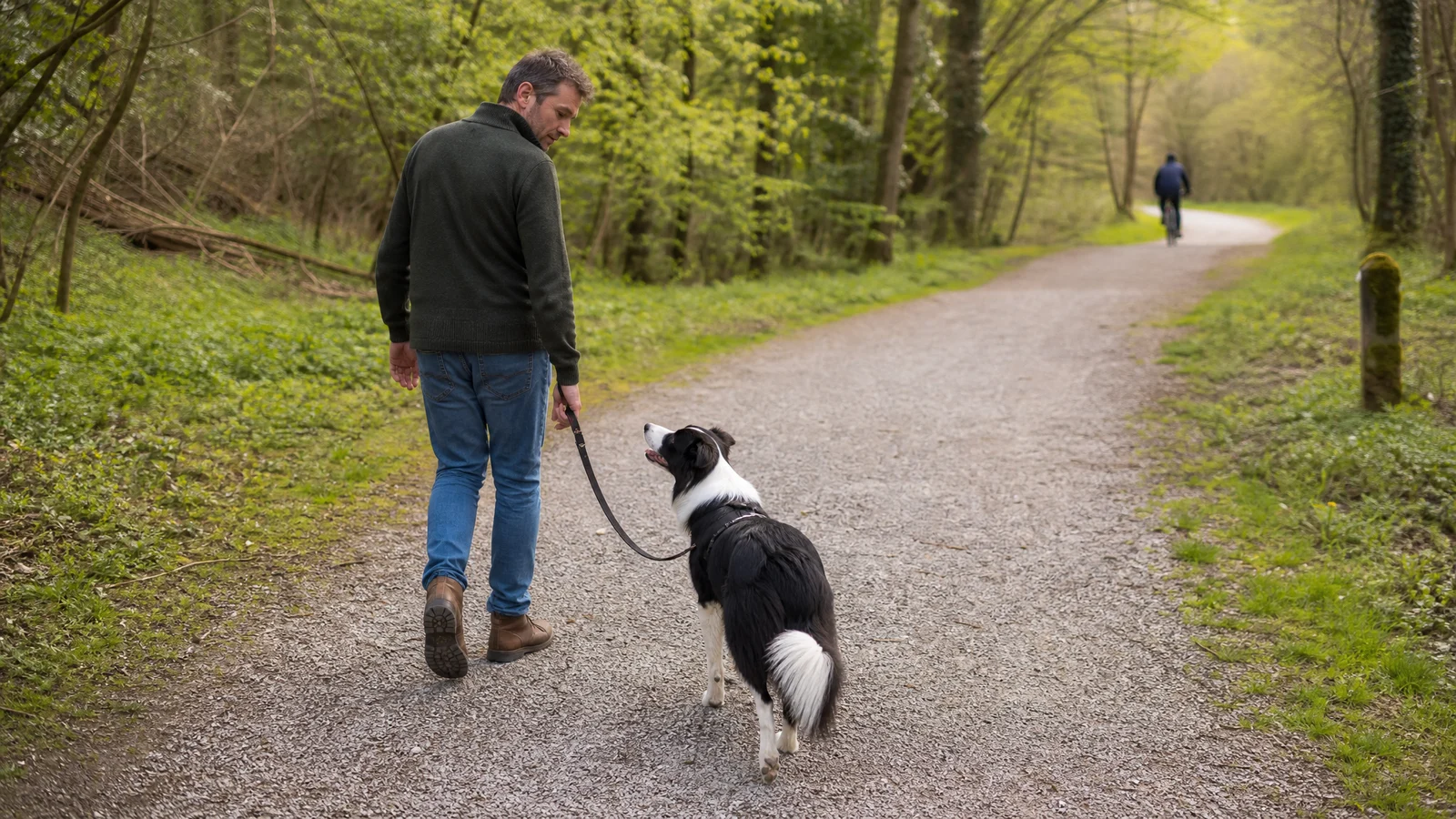 Training basicsLoose-Leash Walking a Border Collie Who Herds Bikes and Cars
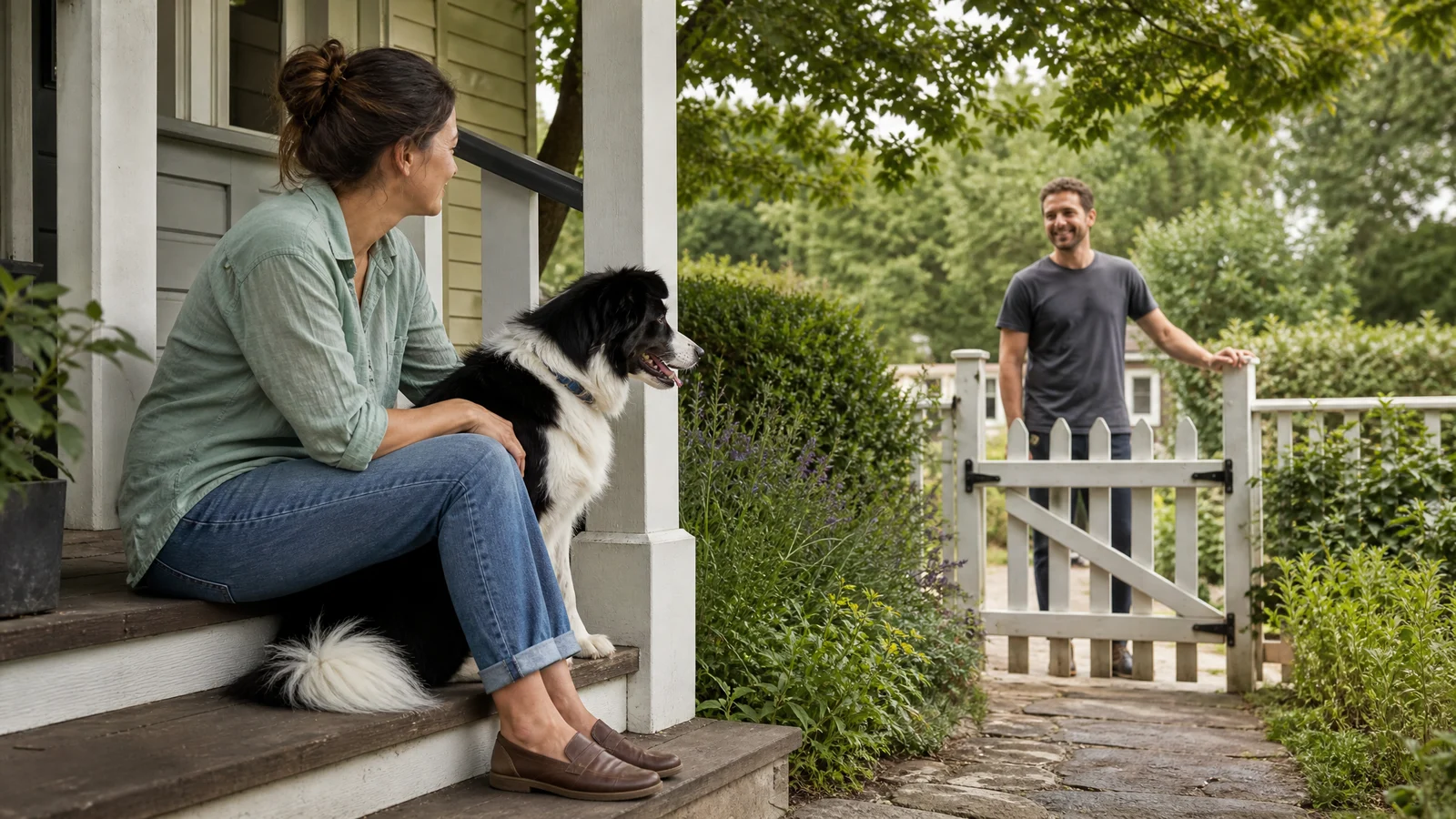 BehaviorSocializing a Reserved Border Collie in the Seven-Month Window
 BehaviorHow to Help a Noise-Sensitive Border Collie Stay Calm