 Border Collie
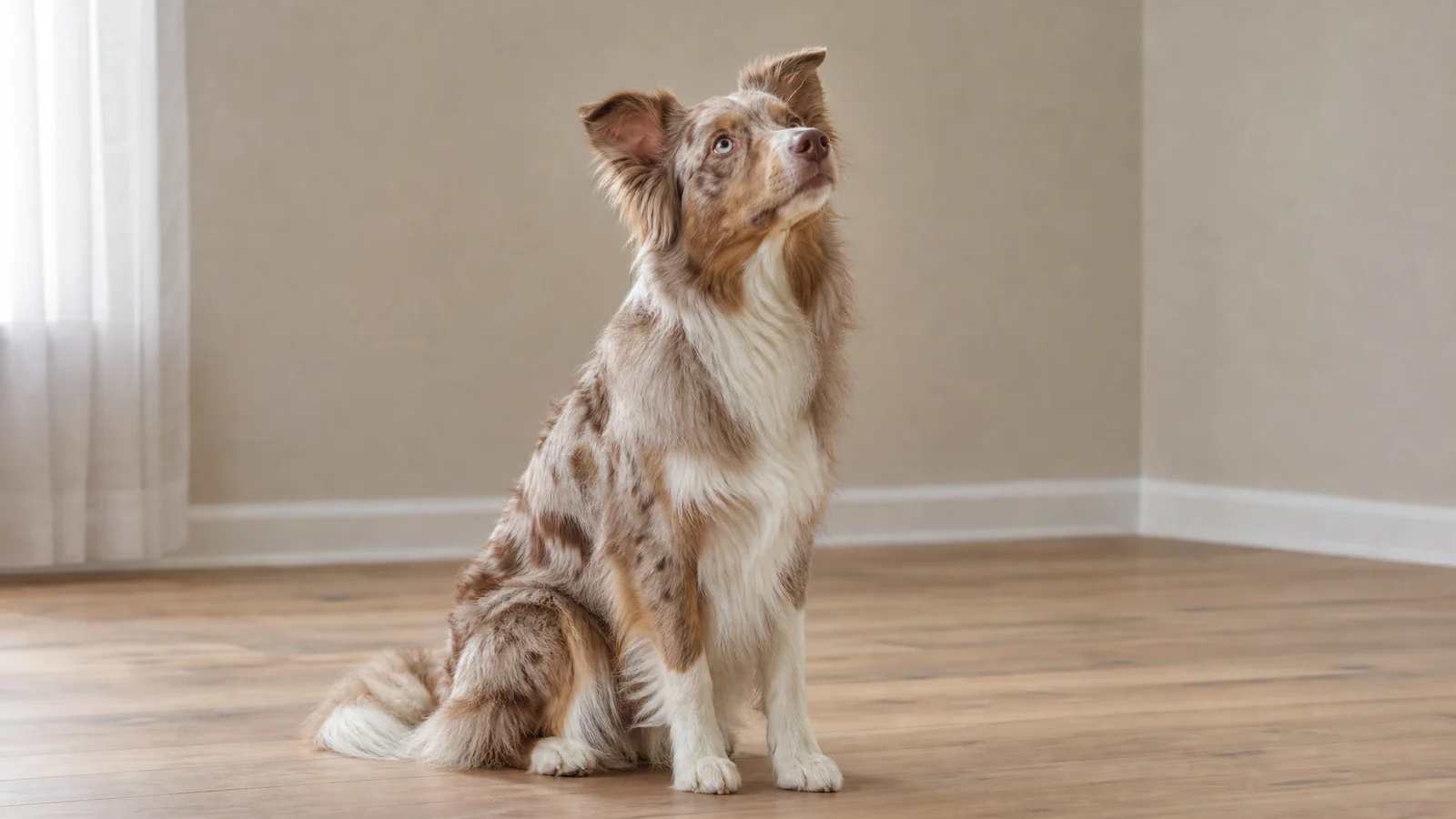
A cue only works if your dog notices it was given, which makes a look at you the lesson hiding behind every other lesson. This page builds that look from a first glance in a quiet room to a habit that holds when things get busy, paying your dog for every choice to turn toward you. You will need treats, a quiet room and a little patience, and your dog is never held, turned or stared down.
The early steps we use are simple: wait without speaking, mark the instant your dog's eyes come to your face, and pay with the treat held near your own face. Everything below is about making that choice worth repeating.
Pay a Border Collie for Looking at You
Start in a quiet room with nothing else going on, and let your dog roam freely. Decide on one marker before you begin, either a short word such as "yes" or a click, and cut the treats small so each one is gone in a moment. This first lesson needs no cue, no leash and no command, because the only thing being taught is that turning toward you pays.
RSPCA gives this advice on its page about walking nicely: "Remain still and quiet when your dog is ignoring you, but the split second he pays attention to you, praise him and give him a treat."
Deliver each treat close to your own face, so the reward arrives where the look happened and your dog's head stays up. Waving a treat to cause a look is not part of this first lesson, so if no glance comes, keep waiting.
Does Any Look at You Count as Focus?
Yes, at first. Any turn of the eyes toward your face earns the marker and a treat, because what you are building is your dog's choice to check in with you, not a long stare. A brief look is enough to start.
Once glances come easily, wait a little longer before you mark, so that the steadier looks are the ones that get paid. Never hold a treat up beside your face to pull a gaze toward you, and never lean over or reach out to turn your dog's head. Your dog decides to look, and you pay for the decision.
In its guidance on bringing a new dog home, Humane World for Animals suggests that you "reward them with praise, pets or treats immediately after they do something you like!" and says "It's much easier to encourage your dog to do things you like than to stop them from doing things you don't."
Catch Check-Ins in an Ordinary Day
Glances toward you already happen outside your practice sessions, and each one is a chance to pay. Rather than watching for them all day, choose a few moments that you will always notice and reward every time.
What if there are no glances to catch? Stand where your dog can see you and wait a little longer in the quiet room. If nothing happens, make one small kissing sound a single time, pay the look that follows, and go back to waiting. These four moments make good starting points:
- You stand up from a chair: mark the first look toward you, then deliver the treat close to your face.
- You walk back into a room where your dog already is: pause in the doorway and pay the look that comes your way.
- Your dog wanders over and glances up while you sit: that glance is the same check-in you practiced, so mark it and pay.
- You pick up your keys or a bag: pay a look at you here, but not when you pick up the leash, which belongs to the walk.
Stretch Border Collie Focus Toward Busier Places
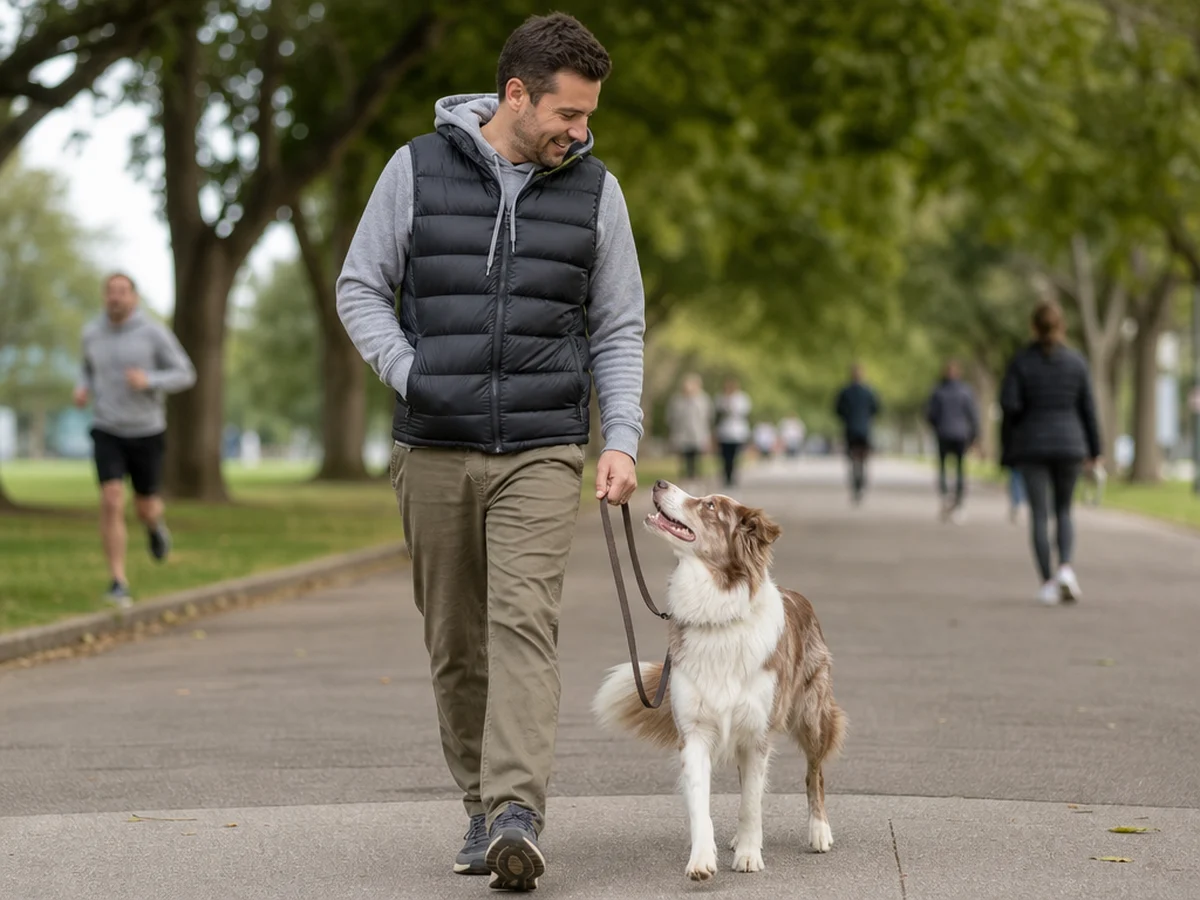
Make each step of difficulty a separate one: a slightly longer look before you mark, then more distance between you and your dog, and a new room last of all. If the look stops arriving, you changed too much at once, so make the next try easier.
Cornell's tips for adolescent puppies include: "Try to avoid tackling large, complex behaviors all at once." and "Break a new trick or skill into small steps so that your dog can be successful."
Calling a dog to you is a separate skill that the Border Collie recall guide covers, and the teenage Border Collie guide looks at training through adolescence, so this page stays with the look itself. Regular vet visits belong on your calendar too, and any sudden change in how your dog responds to you is worth mentioning at the next one.
In its guide to teaching a dog to look at you on cue, Battersea says the command "can be very useful when out and about, especially if you have a dog that's easily distracted". It also says "As with all training, once you've mastered it in a calm environment you can move somewhere else and begin to build up the level of distraction. Initially you may need to reward your dog more quickly and build up the time again."
Add One Short Word to Focus on You
Once your dog looks at you reliably before you say anything, one short word can be attached to the look. Say it just before the look would arrive, then mark and pay as soon as it does. The word always goes in front of a look your dog already offers, so it labels something that already exists.
Should you say the word again if your dog does not look? Say it once, wait quietly, and pay any look that follows. If nothing comes, the step was too hard for that moment, so make the next attempt easier before you say the word again.
Choose a word that you will never use for anything else, and keep it different from your marker so the two jobs stay apart. The marker tells your dog a treat is on the way, while the new word tells your dog which choice you would like to see.
 Training basicsHow to Teach a Border Collie to Sit
 BehaviorTraining an Older or Adopted Border Collie
 Exercise and jobsHow to Teach a Border Collie to Roll Over