 Border Collie
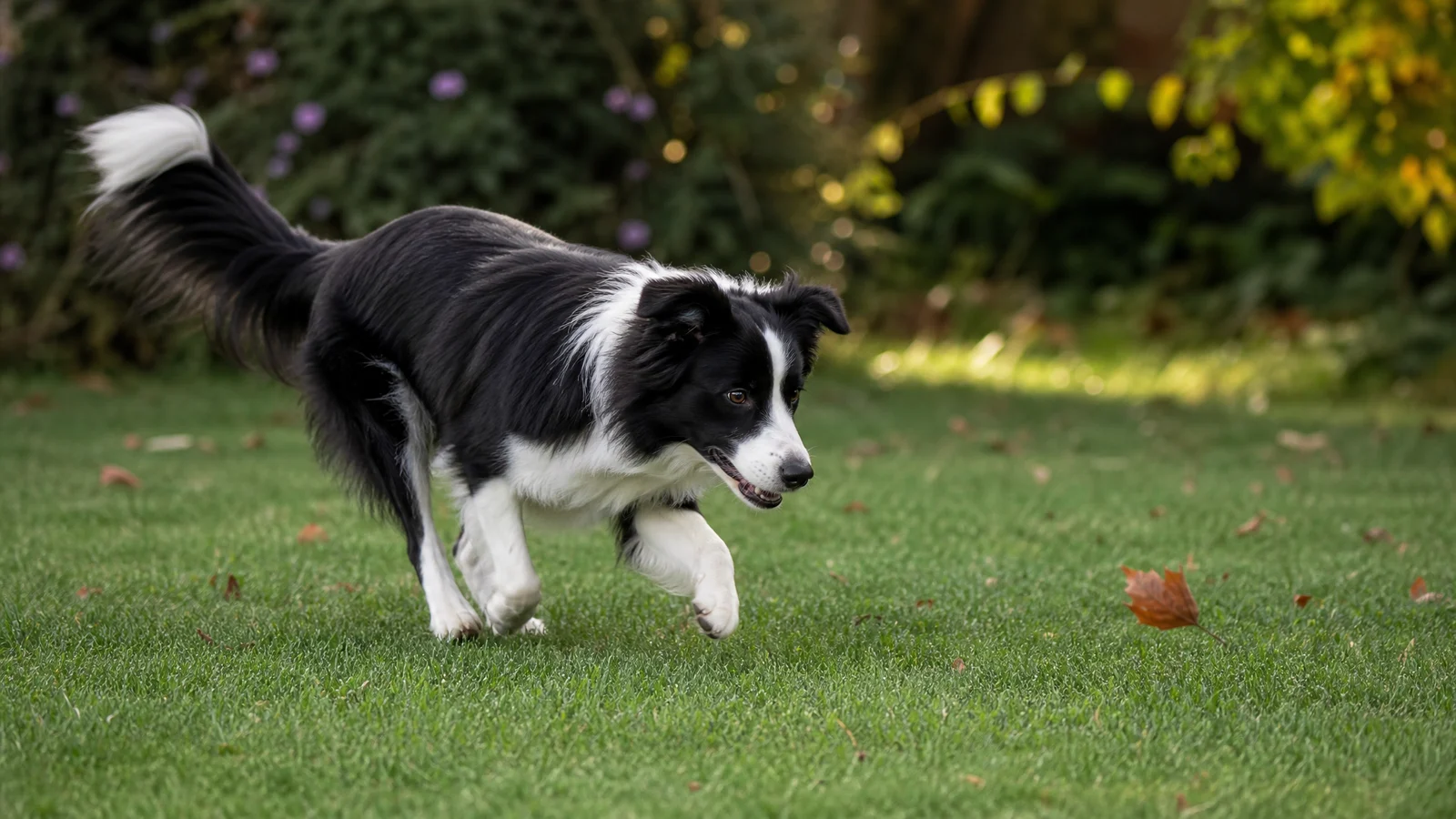
Last month your Border Collie sat on the first ask. This week they stare through the cue and trot off after a leaf skating across the lawn, and you wonder what went wrong. Nothing did. Between the early puppy months and maturity, herding drive and energy grow faster than impulse control, so skills that looked solid start to wobble.
We specialize in Border Collie behavior and training, and this stage follows a pattern we know well. It is normal, and it is workable. We'll walk through a skills reset first, then recall under rising drive, boundary control, trained rest and calm behavior around a newborn. Handled well, these months give you a dog who thinks before acting. Handled badly, drive finds its own outlets.
The Border Collie Teenage Months Reset
Drive does not switch on in adolescence. It grows into a bigger body.
The parent club says Border Collies herd because their bodies and minds were crafted for the task, so chasing and controlling movement pulls on them from the start. A teenager has the speed, stamina and confidence to act on that pull, while impulse control trails behind.
The breed is described as a remarkably bright workaholic who can overwhelm owners without the time, energy or means to keep them busy. The ratings agree. Energy, mental stimulation needs and playfulness all sit at 5 of 5.
At Home
The change shows indoors first. The puppy who trailed you from room to room now patrols, stares out windows and tracks every moving shape.
Sit works in the kitchen and vanishes in the yard. Expect slower answers, bursts of energy at odd hours, more barking (the breed rates 4 of 5) and more testing of rules that held last month.
Affection does not fade. The breed rates 5 of 5 for affection with family.
This is a stage, not a training failure. Your dog is not forgetting.
Cues learned in a quiet room now compete with a body that wants to run. Sudden changes are different. A dog who turns withdrawn, stiff or sore to touch should see the vet, and routine checkups should stay on your schedule through these months as well.
On Walks
Outdoors, the slipping is louder. Your living room has nothing to compete with a treat.
The sidewalk has bikes, birds, joggers and other dogs. Skills also do not travel on their own.
A sit learned in the kitchen must be relearned in the driveway, then at the park. This table shows what each slip looks like and the first step back.
| Skill | What you see | First step back |
|---|---|---|
| Recall | Your dog looks at you, then keeps going | Call from a short distance on a long line and pay the best treat you have |
| Sit or stay | Late sits, popping up when something moves | Stand closer, shorten the stay, move away from the trigger |
| Loose-leash walking | Pulling toward movement, lunging at bikes | Walk where triggers are far off and pay the spot at your side |
| Name response | Your dog ignores their name outdoors | Practice somewhere quieter and pay every glance |
Treat each slip as information about difficulty. Make the task easier, raise the treat value and rebuild in small steps.
Dried meat or cheese outbids a dry biscuit near a bike path. Repeating a cue again and again only teaches your dog to ignore the first one.
Recall in the Teenage Months
Recall is often the first skill to wobble as drive rises, so rebuild it as a daily habit rather than testing it only on exciting outings. A weekend of trails gives your dog the speed and nose work they crave, followed by weekdays of a short walk. That swing builds a fitter dog with the same impulses.
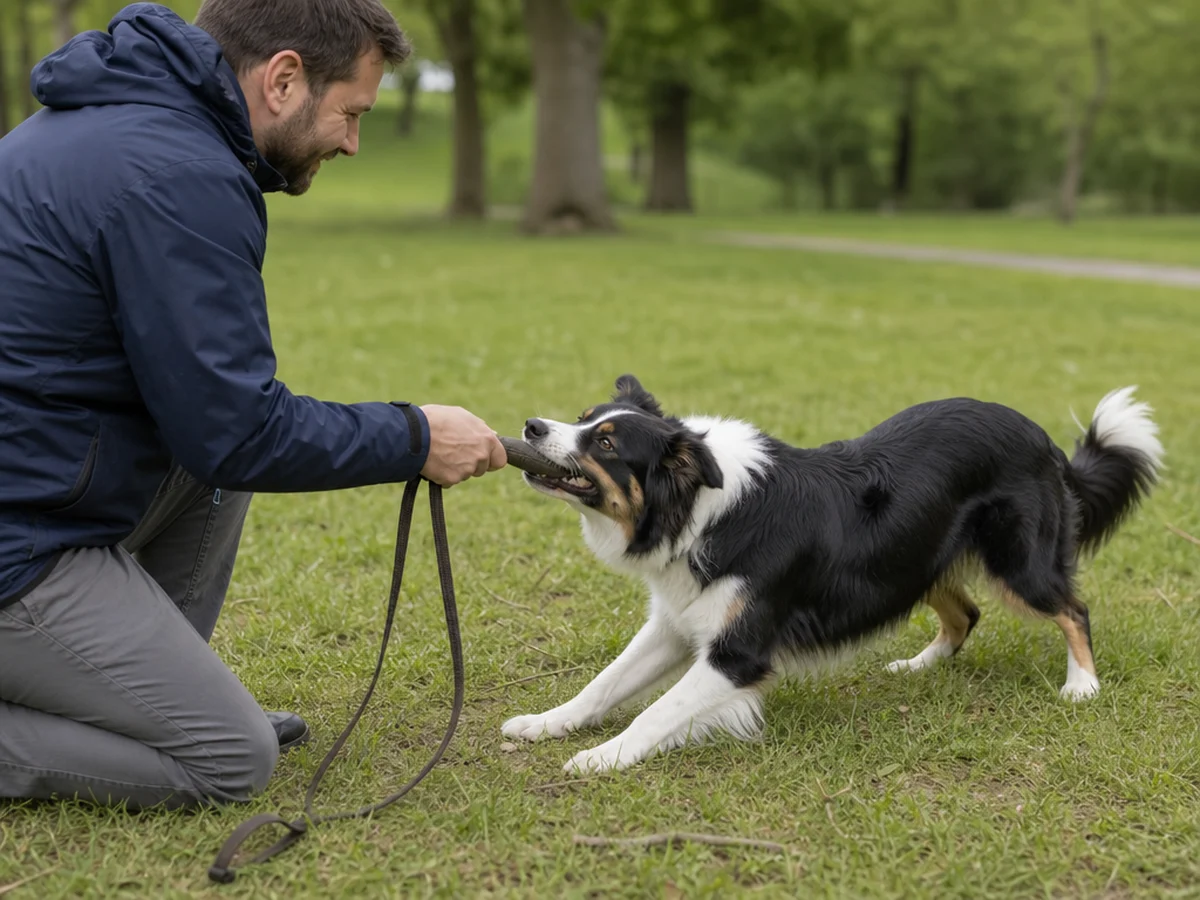
The breed needs daily exercise beyond a walk around the block, so Saturday does not cover Tuesday. Add short training and thinking work on weekdays, and use the trail as a place to practice under real distractions.
Trailhead Focus
The parking lot is the hardest minute of the hike. Arousal peaks before the trail starts, and a teenager who launches from the car at full speed rarely settles. Build a ritual:
- Let your dog wait in the car or at an open tailgate until they breathe calmly, then pay that calm.
- Clip on the leash and ask for a sit. Mark it, feed, and repeat at several spots between the car and the trail.
- Walk the first stretch with treats at your side and pay every glance up at you.
- Release with a sniff cue, so exploring is the reward for focus.
Distance Work
Trails add distance, which is where recall breaks. As skills improve, the line can grow to a 20 to 30 foot line.
Call once, pay big, and sometimes release your dog back to play so the cue does not always end the fun. When bikes or runners approach, step off the trail, ask for a sit and feed as they pass.
Supervise every meeting with another dog, because the breed scores 3 of 5 on being good with other dogs. The early socializing window runs through about seven months, but positive exposure to new people and places should continue after it closes. Keep the line on until recall on leash is perfect.
Boundaries for the Teenage Months
Boundaries protect a fast adolescent before impulse control catches up, especially anywhere movement sits just out of reach. A fenced yard beside a working flock looks ideal and hides a trap. The fence stops your dog from reaching the sheep.
It does not stop them from rehearsing the stare, the stalk and the run along the wire. The breed standard praises a dog who works out of sight of the handler without commands. Next to livestock, that independence means a teenager can give themselves a job nobody assigned.
Yard Rules
Management comes first here, and training fits around it. Treat the yard as a place where you and your dog do things together, not a place where they wait alone.
- Go out with your dog every time during these months, so you can pay calm behavior and redirect a stare early.
- Screen the fence line where your dog watches the flock most, with solid panels or a tarp, because every repeated stare strengthens the habit.
- Keep chase games at the far end of the yard, with a start cue, a stop cue and a toy as the payoff.
- Pay each glance at the sheep that ends with a look back at you, standing far enough away that your dog still takes treats.
- Bring your dog inside with a chew when you cannot supervise.
Gate Manners
The gate is where the yard meets the pasture and the road, so teach it as its own skill. Ask for a sit before the latch moves, mark it, feed, then release through on your word.
Clip on a leash or line before the gate opens. For recall practice beyond the fence, a long training line lets your dog roam a little while you stay connected, short of complete freedom.
Keep recall work well away from the flock until the cue holds at a distance. Call once in a happy voice, pay generously, and do not ask for a recall off leash until recall on leash is perfect.
Border Collie Rest Through the Teenage Months
Rest works best as a predictable sequence your dog can recognize even when the household schedule changes. Irregular hours break the clock but not the routine. Your Border Collie does not need sessions at fixed times.
They need a fixed order. Build a sequence that never changes: move, work, chew, rest.
A day shift, a night shift and a split shift can all use it. Start it with the same cue, the same mat and the same marker word, and your dog reads what comes next from the pattern.
Short Work Before Rest
Keep sessions short and predictable in shape. A handful of repetitions of the skill that slipped most, a fast game, then a release to a chew is enough.
Drop the criteria to where your dog succeeds easily and pay with the best treat you own. Short sessions suit a teenager whose focus runs out quickly. They also fit around a shift, which long sessions never do.
Plan the stops, too. The breed was built for long work and quits late, so you decide when the day ends.
Put a rest period after exercise and before you leave, with a chew on the mat. This breed suits an active owner who is not away from home often.
When a shift runs long, arrange a helper or walker who follows the same cues, and tape the cue words to the door so every handler says the same thing. Night shifts bring energy bursts at odd hours, so keep a calm settling ritual ready instead of a wild game in the dark.
Home Life in the Teenage Months
Calm around a newborn grows from tiny rewarded choices, not from waiting for a teenager to settle by themselves. A newborn takes the hours you once gave to training. Your dog's needs do not shrink, and a bored teenager in a tense, sleep-starved house will invent work, such as trailing you and shadowing the stroller.
Training in this season lives in the gaps. Ask for one sit or one mat before you pick up the baby, pay it, and move on. These micro-sessions add up, and a trainability rating of 5 of 5 means short, frequent practice pays off.
Reward calm more than action. A dog who lies on a mat while you feed the baby earns a treat each time they stay settled.
Researchers comparing 92 companion dogs in a 2020 study found lower cortisol rises after training, and fewer stress signals, among dogs from reward-based schools. Calm, treat-based practice suits a household short on sleep.
Plan safe separation. The breed tends to herd people, and a crawling baby can become a target for circling and heel nipping.
Use baby gates, a pen or a crate as the dog's rest place, give a chew there, and keep every interaction supervised by an adult. Border Collies do best with older, well-behaved children, and the breed rates 3 of 5 with young children, meaning supervision. Never leave your dog alone with an infant.
Steady Border Collie Training
The yard, the shift schedule, the trail and the nursery all ran on the same plan: shorter sessions, higher-value treats, easier criteria when distractions rise, outlets for chasing and thinking, and scheduled rest.
Consistency carries a Border Collie through this stage because the dog is still learning and skills return as impulse control matures. Obedience training that starts early and continues through life keeps the breed happy and supplies the mental stimulation they need.
This table sums up each household's pressure and first move. Use the closest match as your starting point.
| Household | Main pressure | First move |
|---|---|---|
| Rural yard | Staring at the flock, rushing the gate | Screen the view, pay the look back, sit at the gate |
| Rotating shifts | A clock that keeps changing | Fixed sequence, one cue card, scheduled rest |
| Weekend hikers | Weekend-only exercise, trailhead excitement | Settle at the car, build a 20 to 30 foot line |
| Newborn at home | Few spare hours | Micro-sessions, a mat, gates and a pen |
Questions About the Teenage Months
Owners usually ask a few things next. When do the old skills come back? Gradually, as maturity arrives and practice adds up. Our Border Collie puppy milestones show how the stages tend to run.
Does more exercise solve it? Not by itself. Combine it with thinking games and real rest, otherwise you build a fitter dog with the same impulses.
Should socializing continue? Yes. Keep it positive, because the breed can be sensibly reserved with strangers.
What about crate and leash practice? Use the crate or mat as the rest place after every outing, and walk where triggers are far away while you pay the spot at your side. Do vet visits get harder? They can, so keep up regular checkups and practice Border Collie vet handling training with treats.
Border Collies were built to work, so the teenage months ask you to give the drive a job instead of fighting it. Feed it with chase games that have a stop cue, search games and new tricks. Keep sessions short, treats good, and criteria easy whenever the world gets loud.
Reward the pause before the chase, use a safety line while rebuilding recall, and schedule real rest. Do that every day, in whatever household you have, and the dog who settles for cuddle time when the workday ends is the dog you will get.
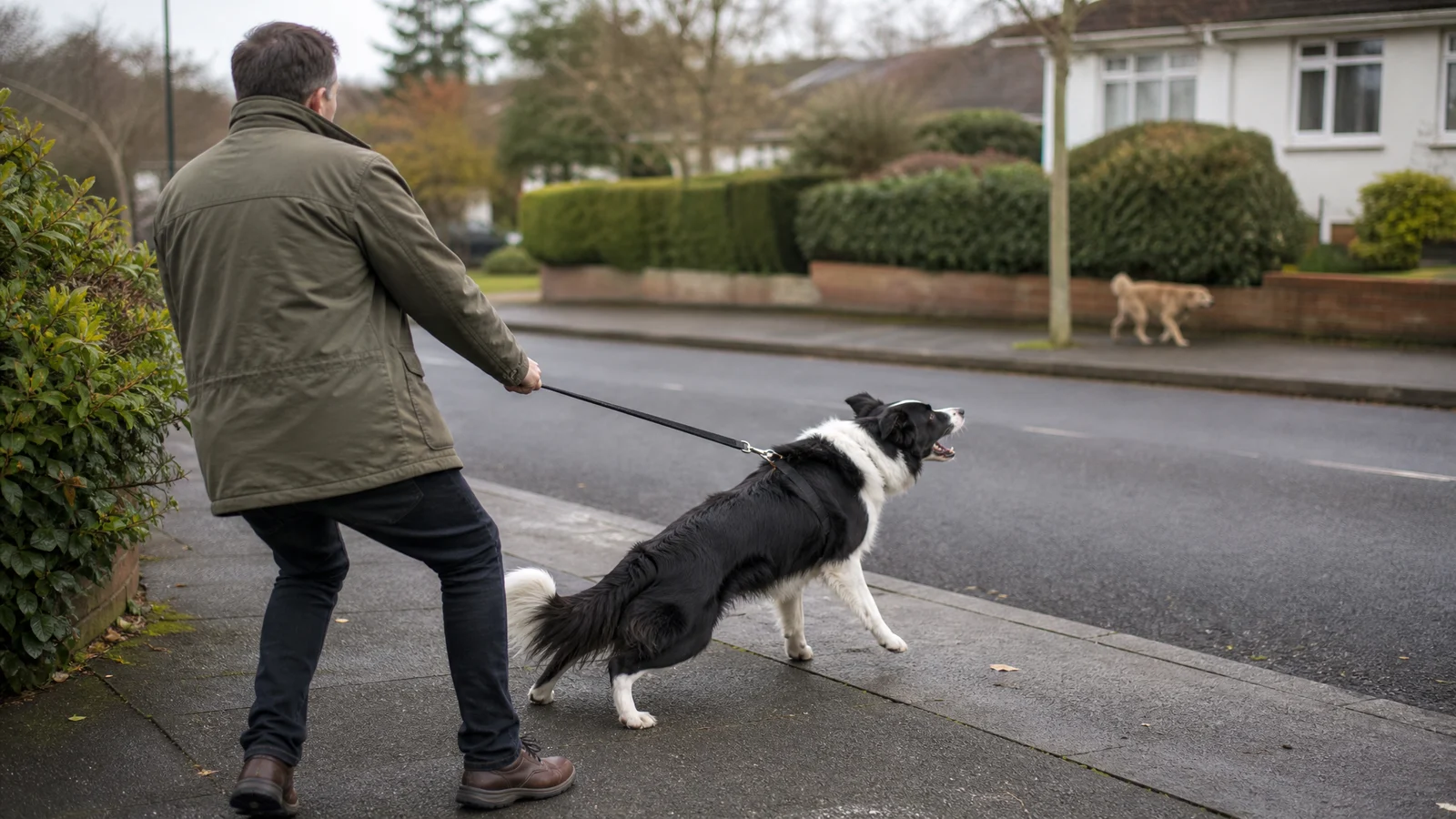 BehaviorBorder Collie Leash Reactivity: What Helps
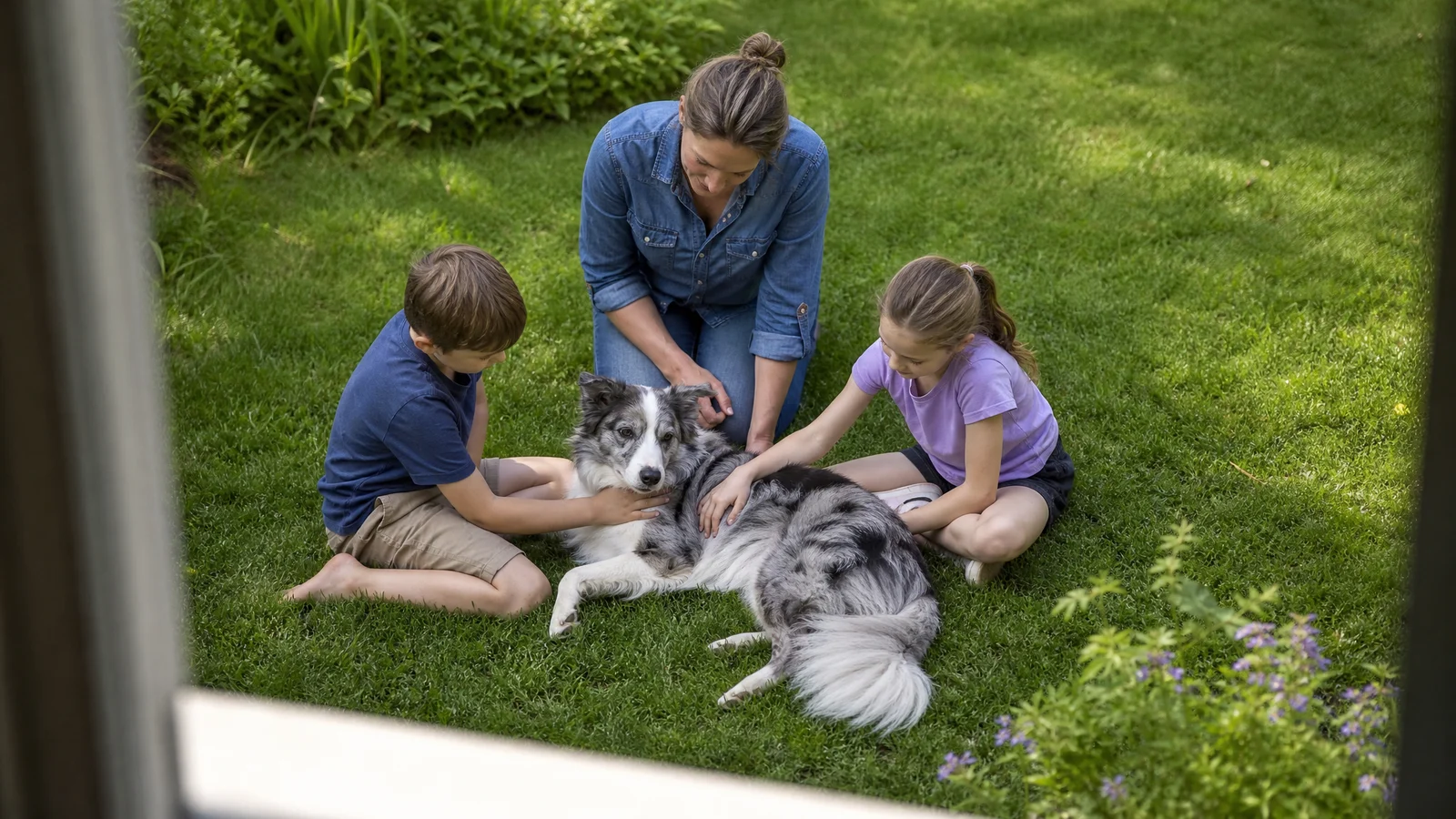 Training basicsAre Border Collies Good With Kids?
 Exercise and jobsHow to Teach a Border Collie to Shake and High Five