 Border Collie
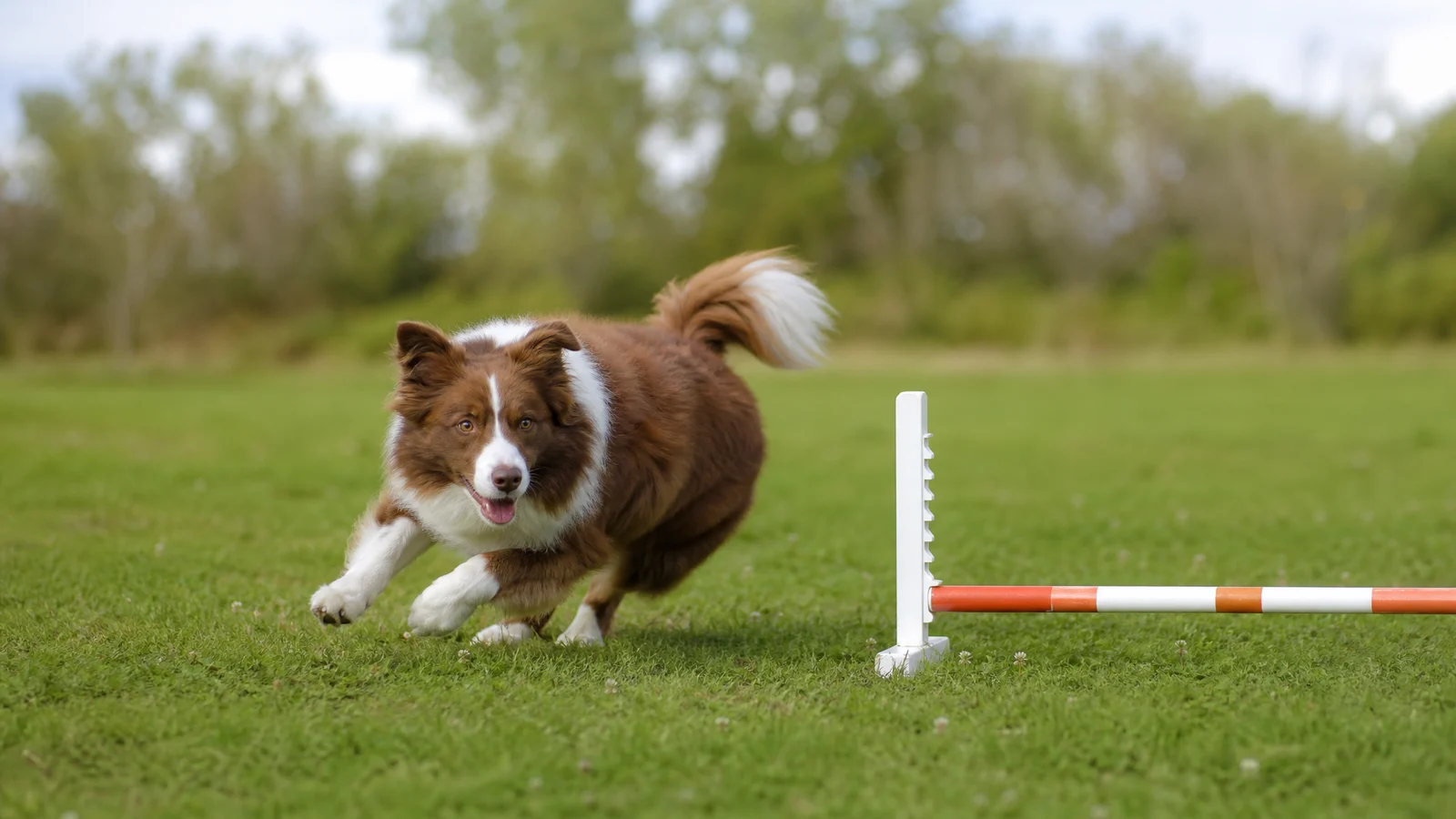
The breed standard describes an agile dog able to change speed and direction suddenly while keeping balance and grace. The usual advice follows from that: the dog was built for agility, so sign up and run. Border Collies do rule the championship levels of the sport. A first session often looks different from the sport's reputation, though. Expect frantic zoomies across the field, or a dog who watches you and ignores the jump.
Both reactions are normal and fixable. The breed rates 5 of 5 for playfulness and 5 of 5 for trainability, so the raw material is there. Mishandled, that drive makes a dog who races without listening or gets hurt jumping too high too soon. We have trained this breed for many years, and the plan below reflects that.
We'll walk you through the low gear and the rewards that work, then the focus games, a soft disc catch and a weekly routine, and finally what the seasons ahead look like.
Border Collie Dog Sports and Agility Basics
Agility is a timed run over jumps, tunnels and other obstacles, guided by your body and voice. The sport pays for exactly what this breed was shaped to do. Here is what your dog brings and what you should expect early.
The standard asks for a well balanced, medium-sized dog of athletic appearance, with endurance as the trademark. A second standard adds that good body balance lets the dog change direction quickly and move from high speed to a creep. Tight turns and sudden stops come naturally to them.
Two more ratings matter. Energy is 5 of 5, and mental stimulation needs are 5 of 5, which means the dog needs a job or activity. Agility supplies one, and so do rally, tracking and flying disc. Your dog brings the athletics and you supply the clarity.
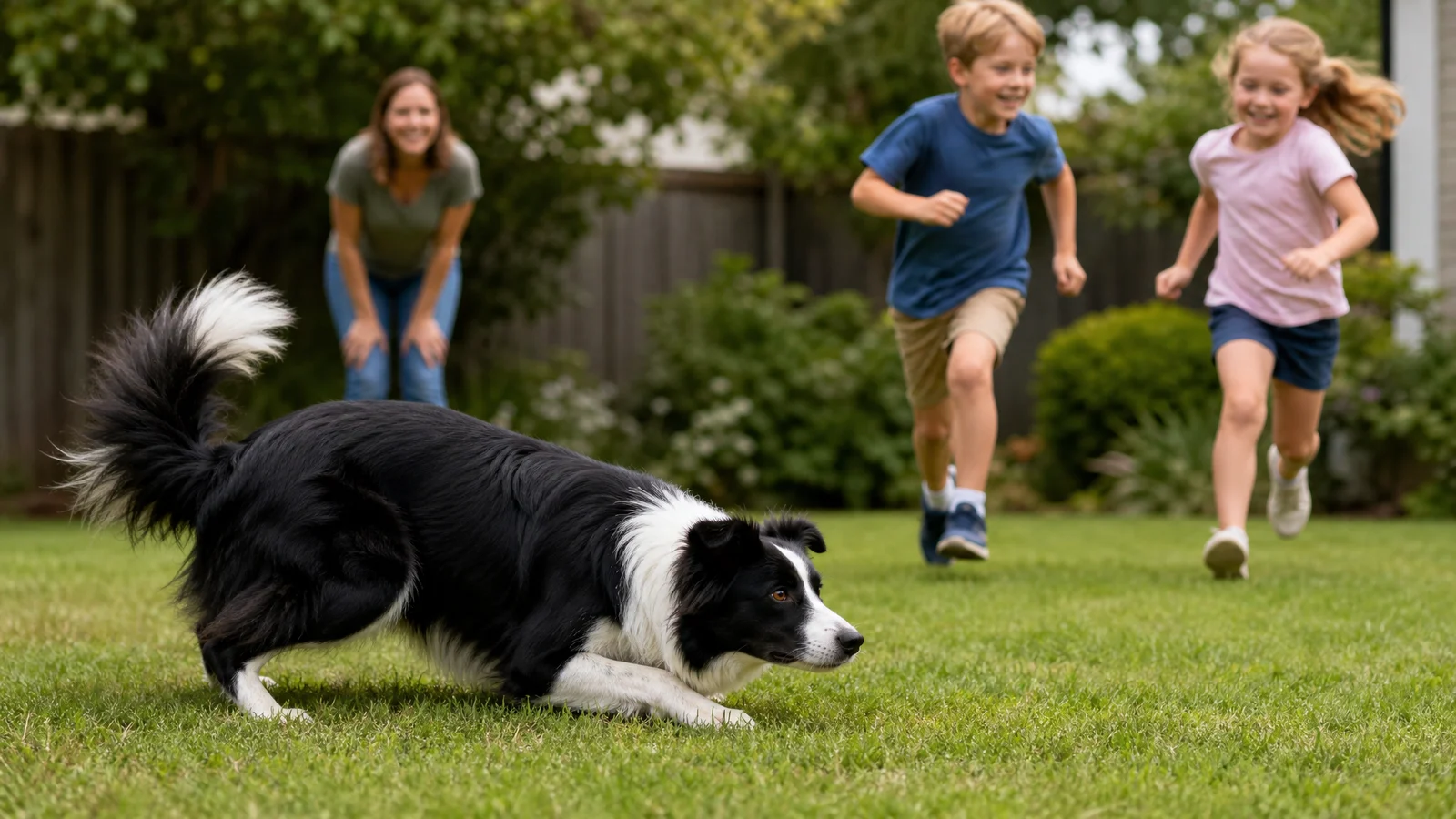
The first sessions will not look like a course run. Some dogs sprint loops and ignore the equipment, while others lock their eyes on you and forget the jump exists. Both are excited, and neither has learned the game yet.
Set the first goal small: the dog works near you, steps over a low bar calmly and returns for the reward. Plan on months, not days, before a short sequence holds together. If your dog is drawn to livestock, real herding work is a fine second path, and the focus skills below carry over.
Low Jump Gear for Dog Sports
Starter equipment is cheap, low and forgiving. The aim is to let the dog learn the shape of a jump without a hard landing. Buy less than you think you need and add pieces as skills grow.
Choosing Equipment
This list covers a first month of work.
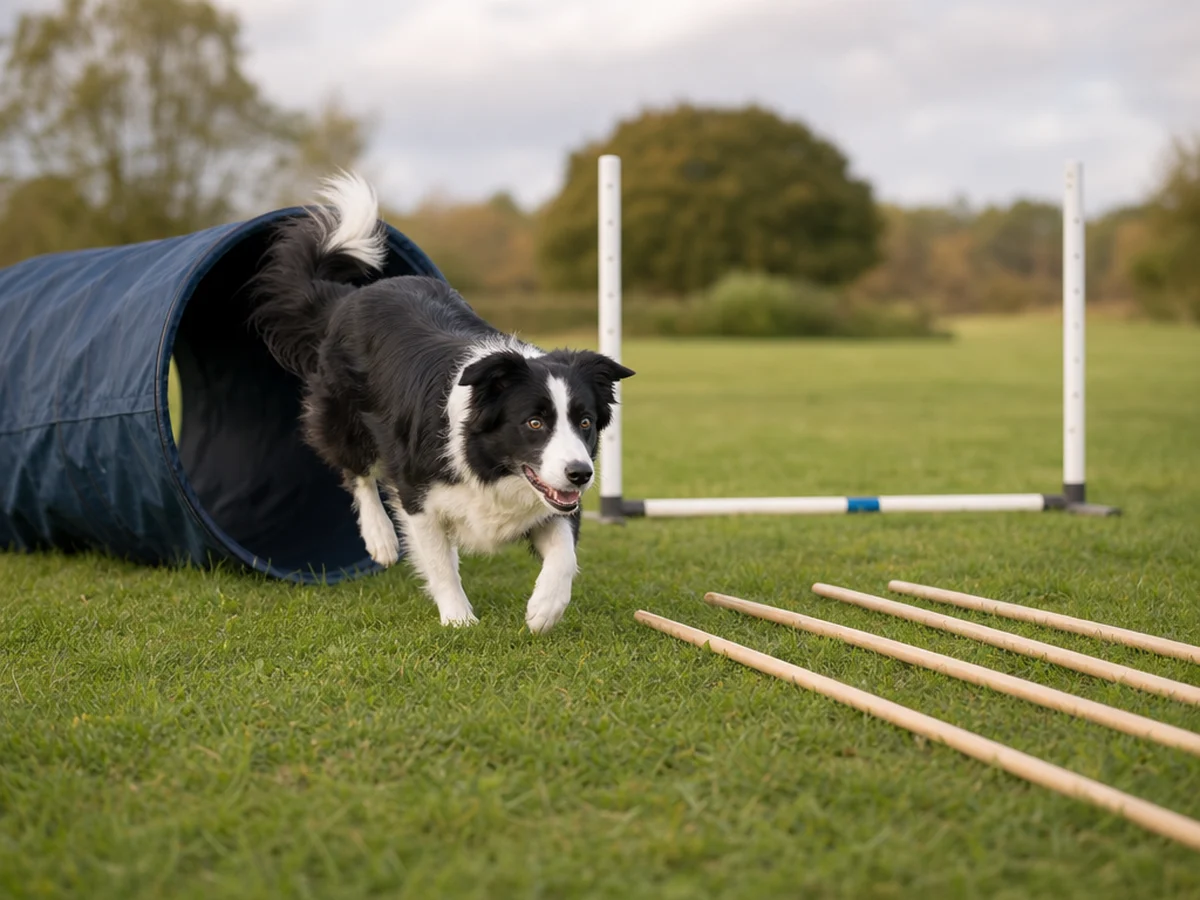
- Jump bars in cups, set on the ground or very low, so the bar falls easily if a paw touches it.
- Wing-less jumps, meaning two plain uprights with a bar between them, so a fast dog has nothing to clip.
- A short, straight, open tunnel with daylight visible from the entrance, so the dog sees the exit before going in.
- Poles laid on the ground for stride practice, which teach a young dog to place their feet without leaping.
- A snug harness or a plain buckle collar, since dangling tags and loose straps catch on equipment.
Footing and Setup
Dry grass or a rubber mat gives the grip this breed needs for hard turns. Wet concrete, polished floors and loose gravel do not. Walk the surface yourself before each session and clear stones, holes and anything that could catch a paw.
Anchor tunnels with sandbags or pegs at the sides so the tunnels cannot roll when a dog hits them at speed. Bars must fall freely and never lock in place. Set every piece on level ground with room to run out past it, because a dog who turns hard on landing needs space to slow down.
Jump Height by Age
Height follows life stage, and your veterinarian should confirm when a young dog has finished growing and when joints are ready for jumping work. The table gives the approach in plain terms, because dogs vary.
| Life stage | Bar setup |
|---|---|
| Puppy, still growing | Poles on the ground, no real jumping |
| Under about 12 months | Bar at ground level or trot height, never a leap |
| Past 12 months, vet cleared | Raise in small steps, one change at a time |
| Around two years | Ask your vet about hips before adding more height |
| Slowing years, about 6 to 12 | Lower the bar again, favor tunnels and ground work |
Book regular vet visits, with one before jump work starts and at least one a year afterward. A checkup catches joint trouble before it shows up as limping.
Border Collie Rewards
Every drill here rests on reward-based training, because a dog repeats what pays. The real question is what pays best in which setting. Owners report big differences between dogs.
Many Border Collies learn nearly anything fast, yet some work reliably only for treats and others only once the bond has grown. Food that thrills a dog in the kitchen can lose value in an open field. Rotate high-value foods such as cheese or chicken, and save the best for the hardest moments so they stay special.
For some dogs a ball or Frisbee outranks food. Owners use the toy to break fixation or to call a dog away from something exciting. If that is your dog, pay focus games with the toy and keep food as backup. A minority are not toy driven or lose interest fast, and they do better with food and praise.
| Drill | Best reward | How to deliver it |
|---|---|---|
| Eye contact, hand target | Small soft food | Hand it over at your side within a second of the mark |
| Low jump | Food or a toy | Toss it forward past the bar so the dog keeps moving |
| Tunnel | Toy or food at the exit | Leave a helper or a bowl waiting at the far end |
| Calm waiting | Food, then release to play | Pay the settle first, then give the go cue |
Release to play is a reward too. A calm go cue that lets the dog run at the jump pays for waiting at the start. Pick a single marker word, yes for example, and use it the instant the dog does the behavior right.
Focus Games for Dog Sports
Focus is what turns a fast dog into an agility dog. These games need no equipment and take a few minutes each. Start indoors, then add one distraction at a time and use whichever reward your dog values most in that spot.
Name Games
Say the name once, in an even and easy voice. The moment the head swivels toward you, mark and pay. Repeat until the name brings the eyes to you every time.
One call only. A name repeated again and again turns into background noise, and a fast learner tunes it out. A dog who checks in with you before choosing a direction is doing the core job of course work.
Hand Targets
Hold an open palm just in front of the dog's nose. When they touch it, mark and pay. Then slide the hand to the side, low or high, and let the dog follow.
The target becomes a moving signal for turns and tunnel entries. It also hands an overexcited dog a simple job for their body.
Sit and Watch
Ask for a sit and wait for the eyes to come up to your face. Pay the look, then release to play. Add a little more time between repetitions as the dog gets it.
This builds impulse control at the start line and teaches the dog to switch off between runs. Owners say a settle cue, an all-done cue or a bed routine helps dogs power down after exercise, though reliability can take months or years. If the dog stares past you or bounces, the setting is too exciting, so make the next round easier.
Safe Border Collie Disc Spaces
Disc play pairs well with agility. The club calls it a great way to burn excess energy and keep a Border Collie excited to play with you. Choose the space before you throw anything, because a keen dog chases at full speed and rarely checks where the ground ends.
Picking the Space
A fenced yard is the easiest option. A missed catch cannot become a chase, and you can check the ground for holes and hard patches before every session. A park works when the grass is even and the area is quiet. Other dogs can set off chase play in an excitable dog, so start on a long line and drop it only when the dog stays with you.
A large hall gives shade on hot days, but test the floor for grip, since slick surfaces are risky for sharp turns. Heat tires these dogs faster than many owners expect, even dogs who want to keep going. Skip midday sun and keep water close.
Introducing the Disc
Use a soft disc made for dogs, never hard plastic that could hurt the mouth. Keep every throw low and short so the dog never lands from a leap. Store the disc out of sight between sessions, since seeing a toy winds some dogs up.
- Let the dog sniff and mouth the disc while you reward calm interest.
- Roll the disc along the ground like a wheel and reward the chase and the bring-back.
- Play a gentle tug with it, then trade it for a treat or a second toy.
- Toss it a short way at ground level and reward the pickup.
- Raise the toss slightly only after the dog catches low throws every time.
Many dogs do not limit their own play. They keep going while visibly spent, with heavy panting or lying down with the disc, and bounce back after a short breather. You end the game, not the dog. Finish with energy left and put the disc away.
Weekly Routine for Dog Sports
Short sessions across the week beat one long one. End each on a success. Adjust the plan below to your dog's age, the weather and how fast they recover.
The usual advice says to run a Border Collie hard first so they can focus. We disagree. A spent dog practices sloppy turns and sore landings, and the habit of finishing tired sticks. Train while they are fresh, then add exercise afterward.
- Monday: play the focus games indoors with food rewards.
- Tuesday: set a low bar at ground level or trot height and run the open tunnel a few times.
- Wednesday: skip the equipment and play a scent game or hide and seek for mental work.
- Thursday: repeat Tuesday and add one small change, such as a turn after the jump.
- Friday: practice soft disc skills in a safe space, kept low and short.
- Saturday: take a calm outing and play focus games around mild distractions.
- Sunday: rest fully, with settle practice on a mat.
Rest days are part of the work. Owners describe dogs who would play until exhausted, so the call to stop is yours. Mentally demanding games such as scent work tire a dog in a satisfying way, though some lose interest in puzzle work quickly, so rotate them.
Some dogs are calm indoors and wildly energetic outdoors, and many still ask for more in the evening. A mat or bed routine lets them switch off. Our guide to Border Collie exercise by age adds brain games and shows when many dogs calm down.
Dog Sports Over the Seasons
Agility with this breed is a long project. Skills build over seasons, and the dog you train in the early years is not the dog you handle later. Knowing the arc helps you pace the work.
In the first seasons you build focus, calm starts and confidence over low bars. Jump height rises slowly on purpose. Many owners report calming beginning around age 2 to 5, as impulse control arrives.
Others say their dogs had not calmed by 4 to 6 and still needed substantial exercise, so measure your own dog and not the average. Agility, dock diving and long runs are credited with calming a dog's unpredictability, though strong chase drive persists in some. The work does not remove the drive. It gives the drive somewhere to go.
Several owners notice slowing between about 6 and 12 years, with shorter outings and less stamina. Some separate physical slowing from true calming, because the enthusiasm stays. Many report dogs from 11 to 17 years old that are still keen to run and play despite arthritis, blindness, deafness or illness.
Drive can exceed ability, and managing that gap is your job. Lower the bars, favor tunnels and ground work, shorten sessions and end games before the dog asks. If a dog responds less to familiar cues for sports and games, or learns new tasks more slowly, cognitive dysfunction is one possible cause. A vet first needs to rule out any health problem behind a behavior change.
This is general information, not medical advice. Questions about pain, stiffness, a sudden change in drive, medication or diagnosis belong with your veterinarian, who can build a plan for your individual dog.
Expect steady skill growth over seasons, slow jump-height increases and a dog who keeps wanting the work for years. Early on come focus and calm starts. Later come short sequences, then a confident partner, and eventually a veteran who trades height for games they still love.
A Border Collie's drive does not regulate itself, so structure is your part of the deal. Keep sessions short, bars low, rest days real and endings on time. Give that drive a job and you get a partner. Leave it without one and the dog invents their own.
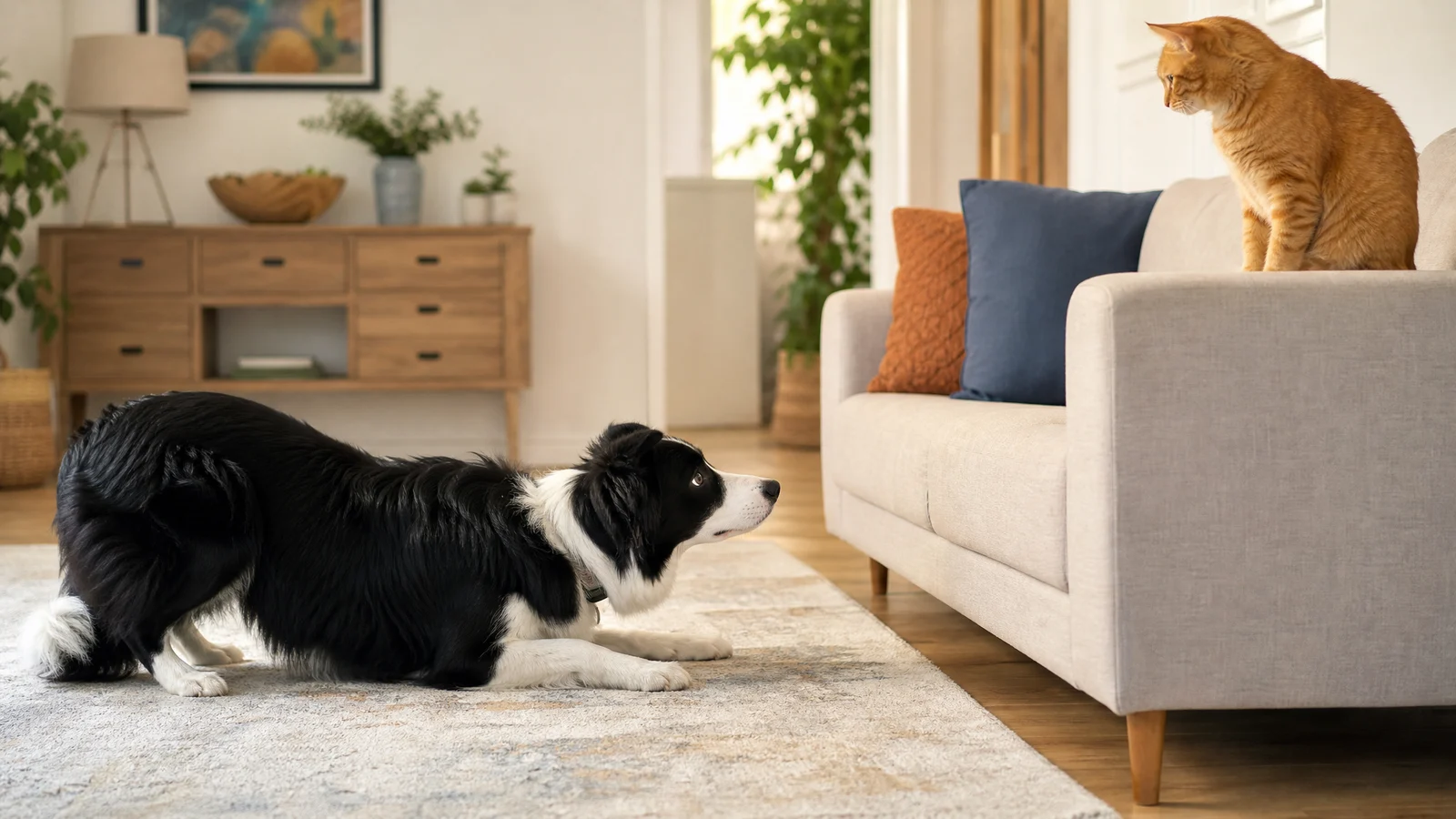 BehaviorBorder Collie Stare and Stalk: What It Means and What to Reward
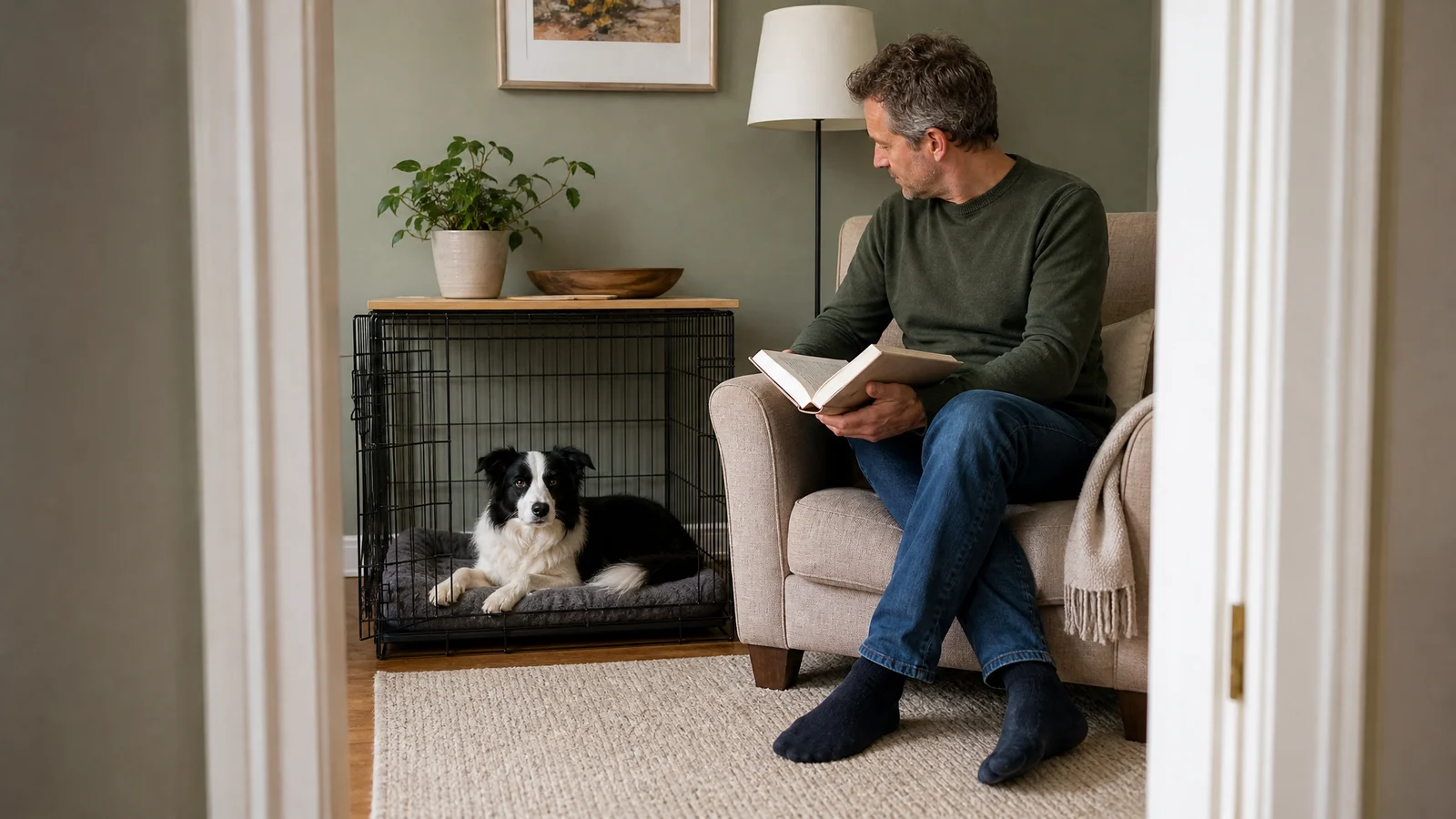 Training basicsCrate Training a Border Collie Who Shadows You Without Panic
 Exercise and jobsBorder Collie Herding Work: Sheep Lessons and a Herding Ball