 Border Collie
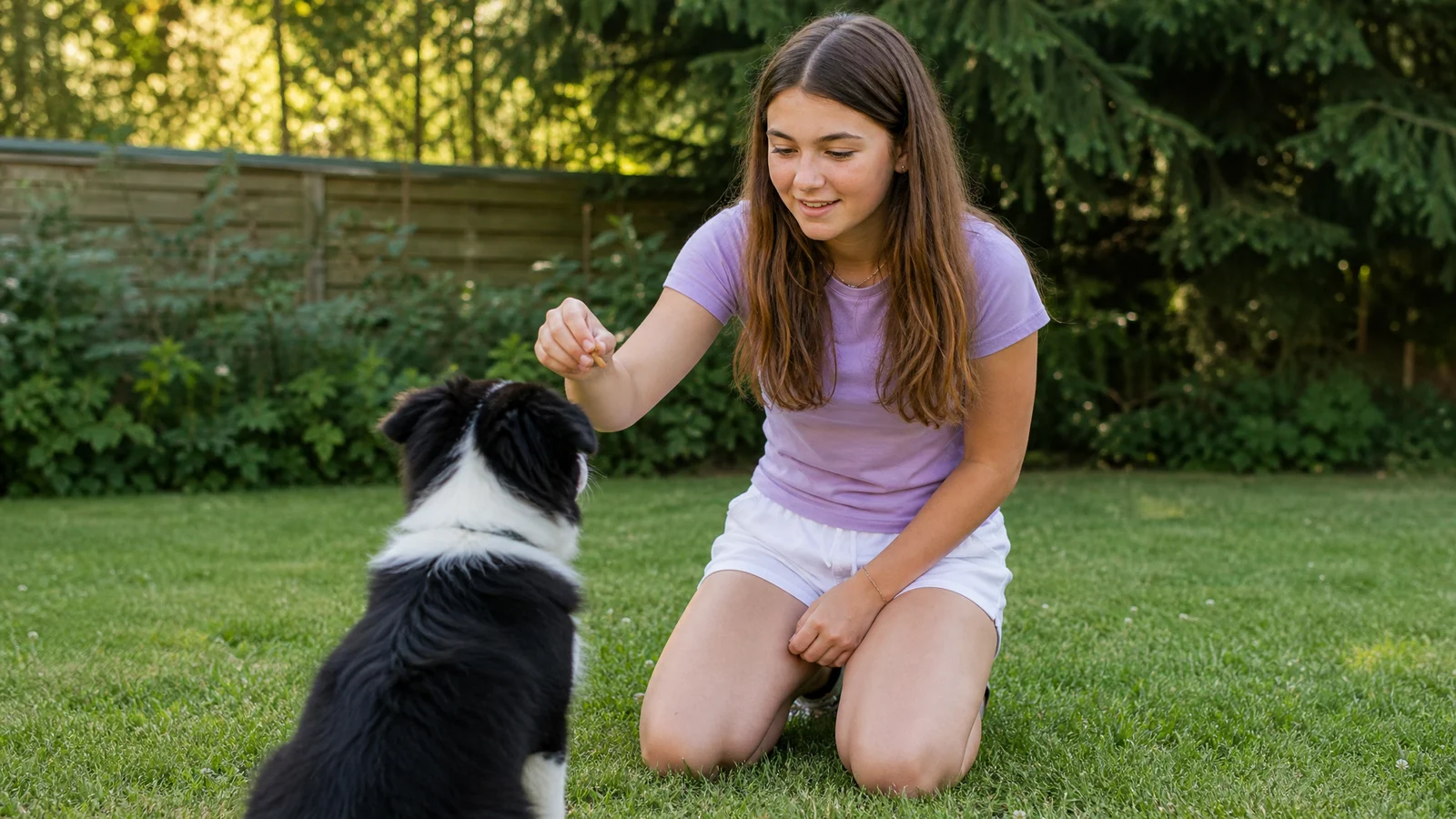
Ordinary puppy advice says to let a young dog be a baby, hold formal training until they are older, and keep everything short. For a Border Collie, that schedule leaves the best learning months to chance. Their brain and herding drive switch on the day they arrive, so structure has to start early and the instincts need somewhere to go.
This article follows a Border Collie from eight weeks old to age two, so you can match each lesson to the age in front of you, adjust rewards as energy and instinct build, and read an adolescent slump without panic. We have trained this breed for many years, and the pattern holds: a puppy without a job invents one, and heels, bikes and children make poor sheep. Handled well, the same drive gives you one of the most trainable dogs you will meet.
First Skills in Border Collie Puppy Training
Far more than the wait-until-they-are-older rule suggests. Border Collies are highly trainable, and breed ratings put trainability at 5 of 5. Delay does not make a puppy calmer. It hands a clever animal months to practice whatever they discover alone, and a skeptic should ask who really benefits from that advice. Not the puppy.
Cues and Games to Start With
Begin with skills that build attention and self-control rather than party tricks. Reward each response generously.
- Name game: say the name, reward the glance, and repeat until looking at you becomes the puppy's favorite habit.
- Sit and down, lured with a treat at first and then faded into a hand signal.
- Hand target, where the puppy touches your palm with their nose, a handy way to move them around without pulling.
- Settle on a mat, rewarded on purpose, because a breed rated 5 of 5 for energy will not discover calm by accident.
- Trade games, swapping a toy or chew for something better so letting go always pays.
How Long Sessions Should Run
Cap each lesson at the moment the puppy is still eager, which for a young dog means a couple of minutes at most. Many tiny sessions scattered through the day beat one marathon, because a Border Collie will happily work past the point of learning and into frantic. Ending early is a training tool, not a failure of ambition.
Pay in whatever currency the moment calls for: food, a quick game of tug, praise, or a life reward such as the door opening. Pay for quiet moments too. The breed is rated 4 of 5 for barking, and a puppy who earns attention with a bark will repeat it as fast as they learn a sit.
Which Rewards Keep Border Collie Puppy Training Moving?
Energy and instinct both climb now, and the dog who coped with a morning walk treats it as a warm-up. Breed ratings give 5 of 5 for energy and for mental stimulation needs, and daily exercise has to go beyond a walk around the block or a quick romp in the yard. This is a breed for an active owner. The adjustment falls on your rewards and on the jobs you hand out.
Rewards That Move
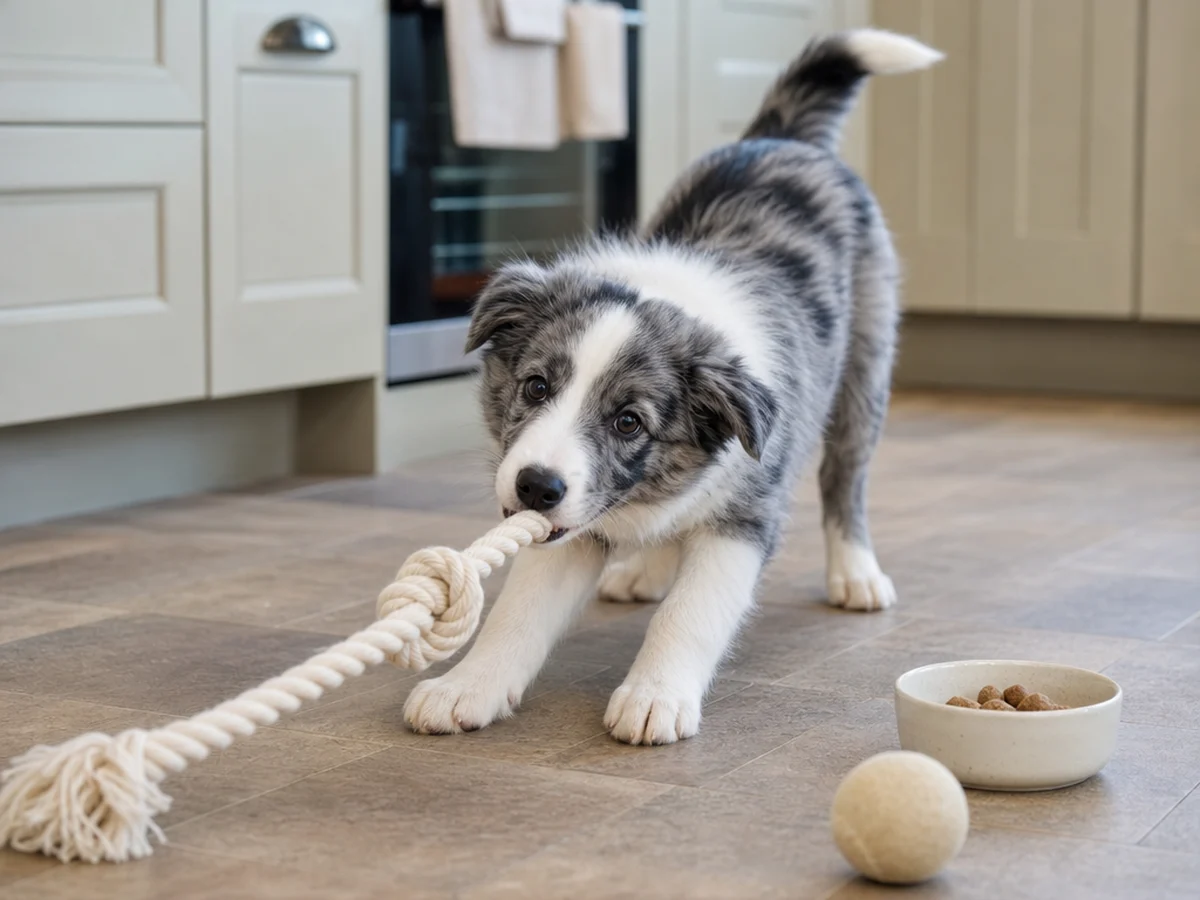
Food alone loses ground against a bike, a squirrel or a flying disc. Add movement as payment: a game of tug, a thrown toy, a release to sniff, or the cue to go say hello. Use these for calm, focused work and the energy becomes part of the lesson instead of its enemy.
Jobs That Fit
A tired dog is a good dog, the saying goes. For this breed that is only half true. Exercise alone can build a fitter dog who still cannot settle, which is why mat work stays in the program. Pair movement with thinking. Nose work is open to nearly any dog, and it can teach an energetic one to focus.
Trick training, food puzzles, agility foundations and lessons with a qualified herding instructor give the instinct a lawful outlet. Ask your veterinarian how much hard jumping and sprinting suits a frame that is still maturing, and keep regular checkups on the calendar.
The Routine Test in Border Collie Puppy Training
A predictable day does most of the work in the first weeks home. Meals, naps in a crate or pen, short play bursts and frequent potty trips tell a quick-minded puppy what life looks like. Border Collies notice patterns fast, so the routine you set in your first days becomes the one they expect for years, and that includes the sloppy parts.
Settling in and Handling
Manage first, train second. Use a pen or gated room when you cannot watch, and keep chews within reach so teeth have a legal target. Handle paws, ears, mouth and collar daily, follow each touch with a treat, and quit before the puppy tires of it. Your veterinarian and groomer will benefit, and regular checkups go far more smoothly for a puppy who has learned that hands mean snacks.
Socialization Priorities
This is the real job of these weeks. The AVMA puts the ideal start for socialization between 3 and 14 weeks of age, a stretch when puppies absorb their new surroundings most readily.
The AKC advises positive exposure to a wide variety of people and situations from early puppyhood through about seven months for this breed. Keeping a puppy sealed indoors until every health milestone is behind you wastes the window, so ask your veterinarian where your puppy can safely go, then go there.
Aim for calm, positive exposure to these. Keep each experience brief and easy.
- Different surfaces and household sounds, such as tile, grass, gravel, the vacuum and the doorbell, each paired with a treat.
- A few friendly adults who let the puppy approach rather than swooping in to pet.
- Moving things such as bikes, strollers and cars, watched from far enough away that the puppy will still accept a treat.
Skip forced greetings. The breed standard describes a dog affectionate with friends but possibly sensibly reserved toward strangers, so a puppy who hangs back is not broken. Reward a look at the new person and then back at you, and let the puppy decide when to move closer.
How Do Herding Signs Change Puppy Training?
Repetition turns into habit here, good or bad. Whatever your puppy does reliably now, whether settling while you cook or leaping at visitors, is what you will be living with at a year. Socialization stays open through about seven months, so widen the circle instead of coasting on the early weeks.
Add busier sidewalks at a comfortable distance, different vehicles and calm, well-mannered dogs. The breed rates only 3 of 5 with other dogs, meaning supervision, so choose the company carefully.
The First Herding Signs
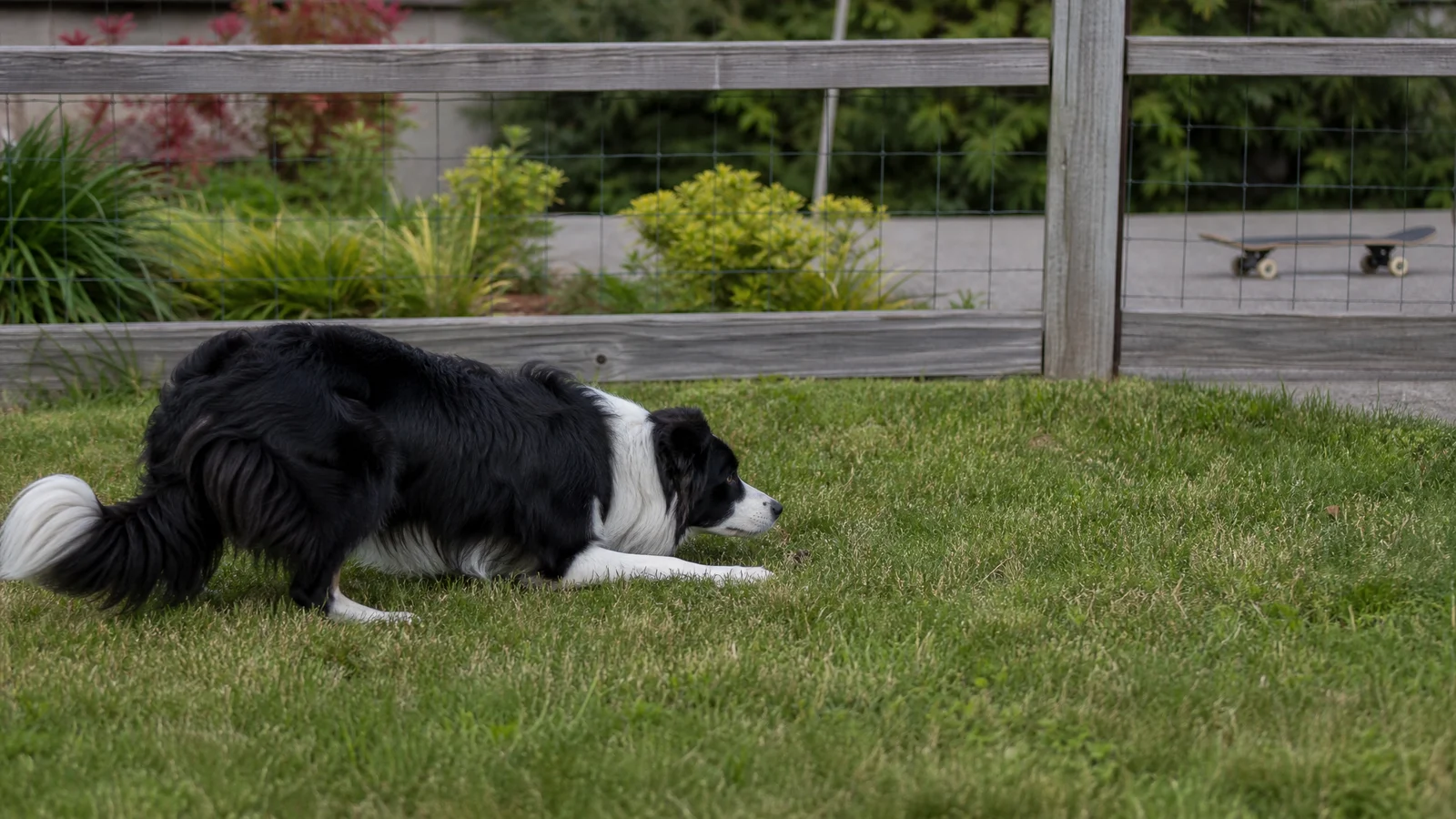
Clear herding behavior often shows up in these months. Watch for staring, crouching, stalking, circling and nips at heels or sleeves. The parent club says Border Collies herd because their bodies and minds were crafted for the task, and the standard says selective breeding developed their intensity, energy and trainability. None of this is misbehavior. It is the breed doing what they were built to do, just aimed at the wrong flock.
Redirect instead of suppressing. When the stare locks onto a bike or a child, increase the distance until the puppy can eat, then reward a look away. Offer a sit or a toy in place of the chase. Because of the herding tendency, Border Collies do best with older, well-behaved children. Teach younger ones to stand still and calm, and supervise every interaction.
Everyday Skills
Shape loose-leash walking by stopping when the leash tightens and moving on when it slackens. Keep recall practice on a long line so the cue is never rehearsed as something to ignore. Pay well for every arrival. The best recall is built from a thousand easy successes, not one heroic call across a field.
Easier Puppy Training Criteria During Adolescence
Almost never. The slump is real, with selective hearing, a recall that suddenly fails and a puppy who seems to have forgotten sit. But a dip in performance is not erasure. Skills learned well in easy places usually return, provided you treat the dip as a development phase and not a verdict on your teaching.
Two popular reactions deserve suspicion. The first says the dog is being stubborn on purpose and needs a harder line. Researchers following 92 companion dogs in 2020 found that the reward-based group showed milder stress behavior after sessions and a smaller cortisol rise. A stressed learner is a poor learner. The second reaction says to stop and wait it out. That hands the dog months of unstructured practice at ignoring you.
What works is making everything easier for a while. Change one condition at a time.
- Drop back to places with few distractions and rebuild from there.
- Raise the value of your rewards, using better food or a favorite game when the setting is hard.
- End sessions on a success, even if that means asking for something the dog did months ago.
- Keep socializing gently, and give space and treats if something familiar suddenly looks scary.
Our guide to teenage Border Collie training goes deeper on this phase. The verdict here is simple: consistent, patient practice through the slump pays back later, and the dogs who get it come out the other side sharper.
Testing Puppy Training in New Places
The second year is about proofing. The dog looks like an adult, yet focus and impulse control are still catching up, so skills need testing in new places. Practice sit, down, stay and recall at parks, on quiet streets and around other dogs at a comfortable distance. Lengthen the stays first, then add distance, and keep rewarding even when the dog knows the cue. Reward-based training does not expire.
The standard credits the breed with extraordinary instinct and an uncanny ability to reason, including working out of sight of the handler without commands. A dog bred to think independently needs lessons that ask for choices. Scent games, agility, tricks and herding instruction all do that, and they occupy the mind in ways repetition drills never will.
Some problems deserve a qualified reward-based trainer or a veterinary behaviorist. Barking, lunging or fixating on passing cars, bikes and dogs is the main example, so do not wait for it to fade on its own.
Obedience training that starts early and continues through life keeps a Border Collie happy and supplies the mental stimulation they need. Treat it as a standing appointment, not a course you finish.
Border Collie Puppy Training Signs at Maturity
The timeline holds one lesson. Early structure, patient repetition and an outlet for the drive produce an adult who is as trainable as the breed's reputation promises. The calm evening dog on the couch is the product of that work, not a gift of age. Pick the band your puppy is in now and run its checklist over the coming two weeks.
- Weeks eight to sixteen: plan a few short socialization outings each week, reward every glance at you, and handle paws and ears daily.
- Months four to seven: practice mat settling daily, work recall on a long line, and redirect every stare or heel nip to a toy or a sit.
- Eight months onward: add one brain job each day, such as a scent game or a new trick, and use tug as the reward for calm work.
- Second year: take your most reliable cues to new places, and lengthen the stays before you add distance.
Write down what changes before you adjust anything, because small gains are easy to miss in a dog this quick. When you want more depth on a single stage, the site's stage-specific articles on the teenage phase, socializing, exercise and recall each take one piece of this timeline further. Each stage builds on the last, so the patience you invest now is what makes the adult dog worth every early morning.
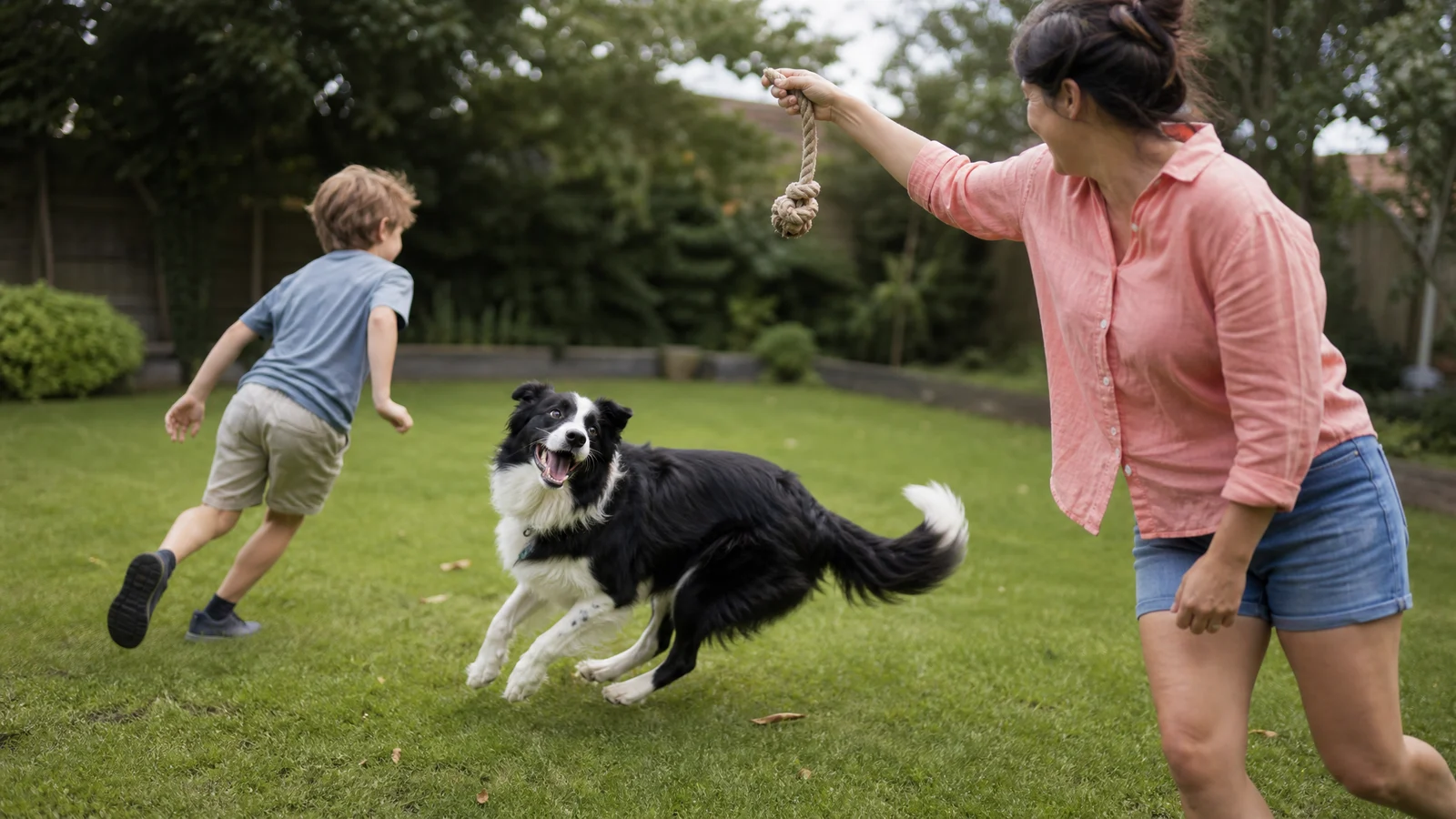 BehaviorRedirecting a Border Collie Who Nips Ankles and Herds Kids
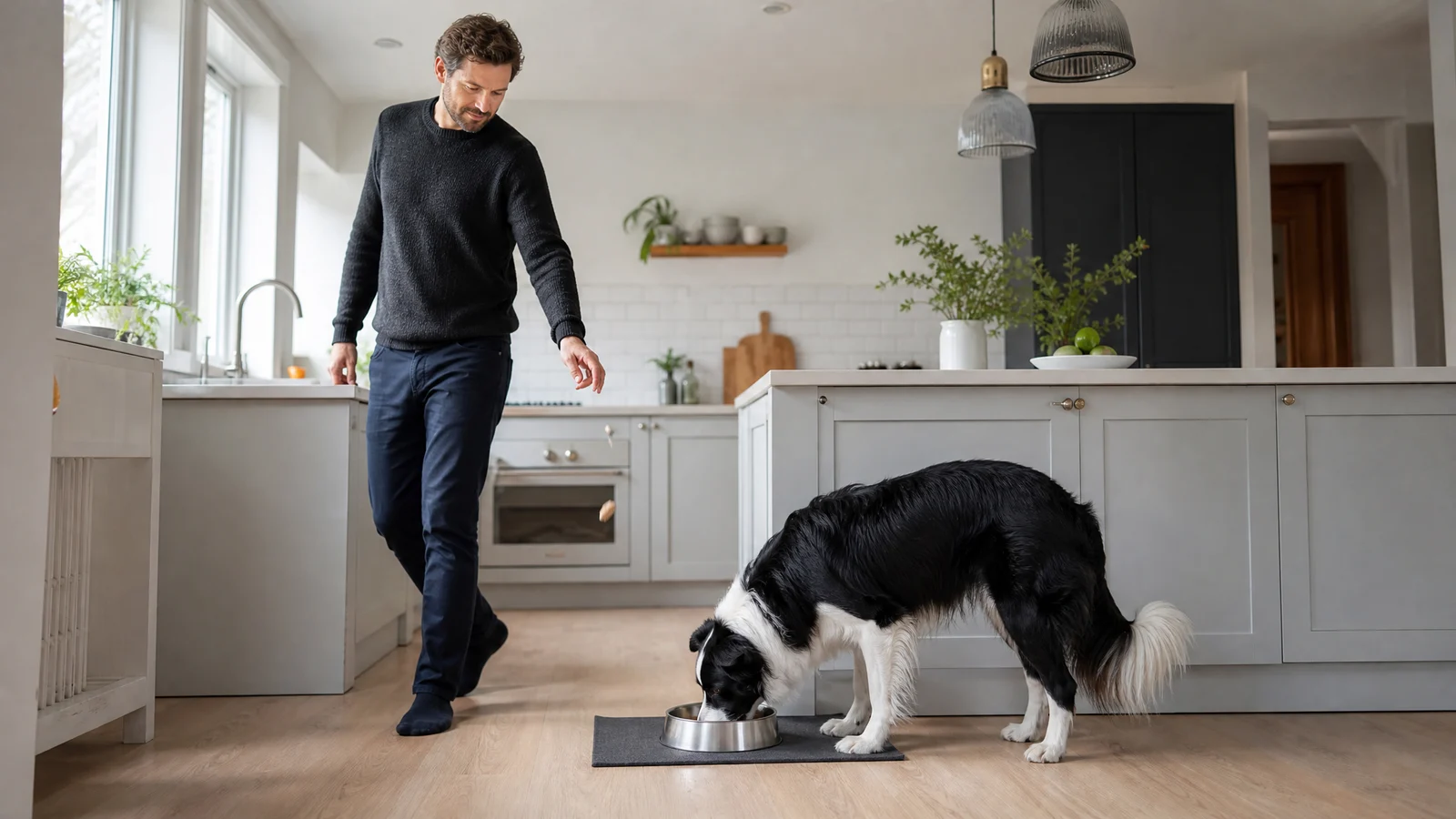 BehaviorBorder Collie Food Aggression: Teaching a Trade Instead
 BehaviorReactive or Intense? Border Collie Aggressive Behavior Help