 Border Collie
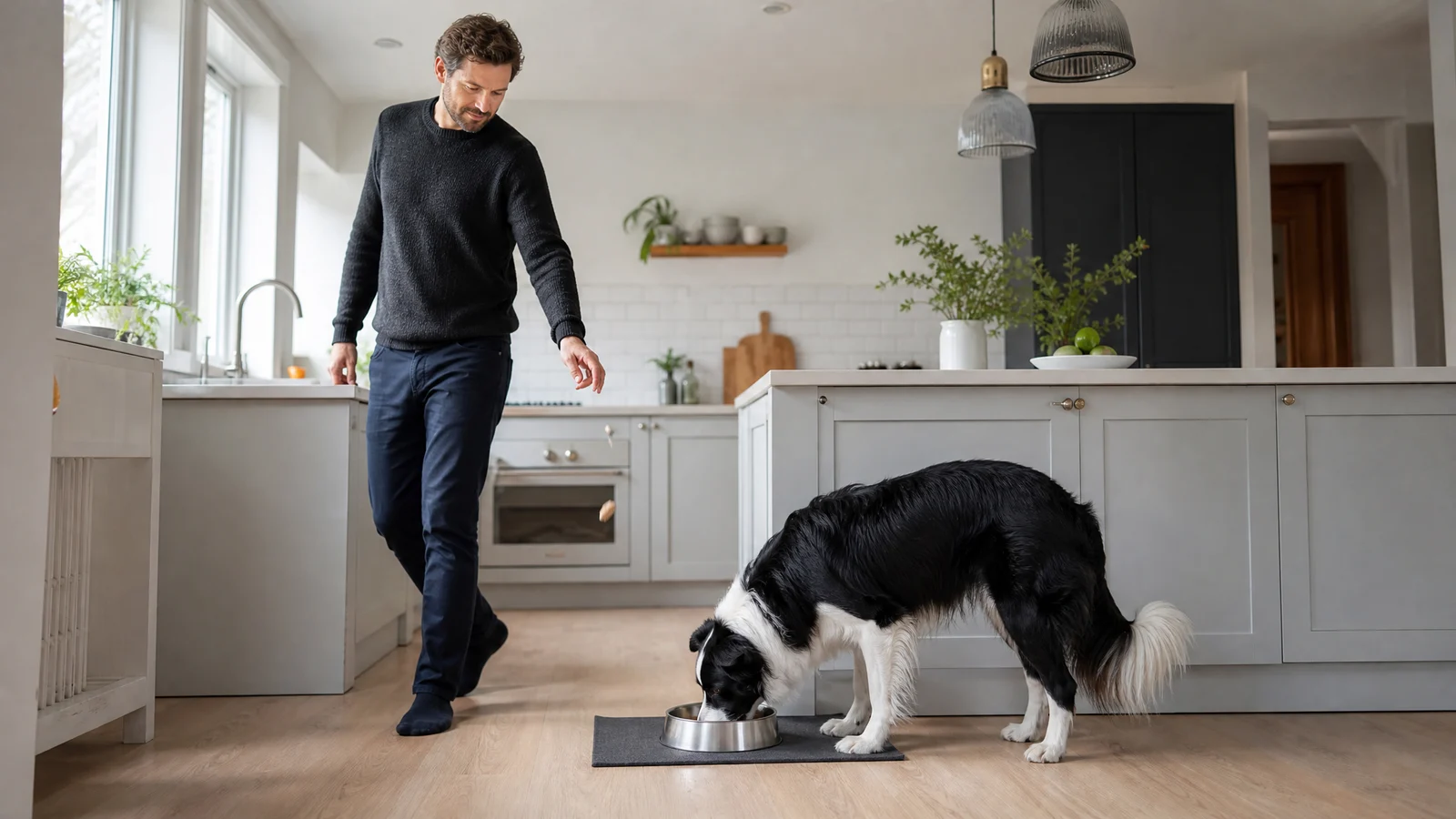
The UKC standard describes a Border Collie who is keen and responsive, neither nervous nor aggressive, and plenty of advice stops there, assuming a dog like that simply won't guard. At the bowl, though, the picture can look different: a stiff, silent dog with a low head and eyes locked on your approaching hand.
That stillness matters because this breed learns fast and repeats what works. If backing away ends the stare, the stare grows. If your approach starts to pay, the same sharp mind learns the opposite. We have trained Border Collies for many years, and trading is the method we reach for first.
We'll walk you through why guarding is a feeling, then the trading games that change it, from finding the starting distance to matching each swap, reading early warnings, and handling toys and stolen socks. We finish with one small exercise for your next meal.
Border Collie Guarding Starts From a Sense of Scarcity
Resource guarding means a dog uses body language or sound to keep people away from something they value, such as a bowl, a chew, or a favorite ball. Treat it as a feeling before a behavior. The dog worries the item is about to be lost, and the freeze, stare, or growl is their way of holding on. That is worry about scarcity, not defiance, and it does not mean you have raised a bad dog.
Why a Watchful Dog Holds On
Several traits of the breed shape how this looks. The breed standard describes an intense worker who is keen and alert and sensibly reserved with strangers, and selective breeding built that intensity in. A dog with that much focus tends to take a valued item seriously, and a watchful dog notices every footstep that heads toward the bowl.
Why the Stillness Fools People
Freezing, a fixed stare, and a slow creep are working tools for a herding dog, so a Border Collie locked over a bowl can look like a dog working sheep, and their silence can hide how tense they are. Our guide to the stare and stalk explains what to reward when stillness is only herding.
Persistent growling over food is worth calm, reward-based work now, and waiting for it to fade is a gamble. Regular vet visits belong in any behavior plan, and guarding that appears suddenly is a good reason to book one. Beyond that, the work is training, and it starts with what your approach predicts.
Guarding Eases When Hands Add Instead of Take
Most dogs who guard have learned, from plenty of real examples, that a person near the bowl is the start of a loss: the bowl lifted, the chew removed, the toy pulled away. Trading flips that forecast. Each time you approach, something better arrives, and then you leave. The technical name is changing the dog's emotional response, and it works through repetition, not persuasion.
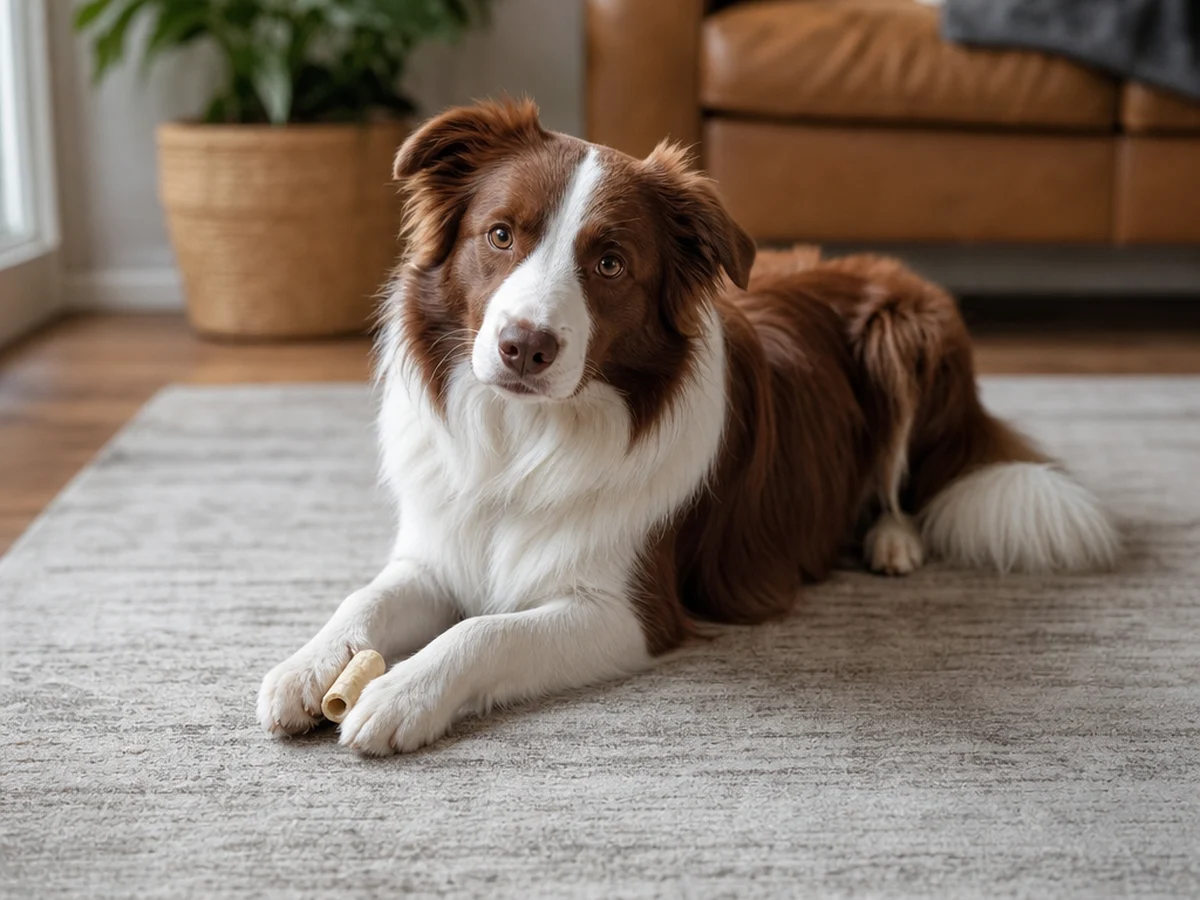
A delivery driver makes a useful comparison. If every knock at the door brought a package, you would soon hurry toward the door with hope. Your footsteps can become that knock. Border Collies are built to spot patterns and predict what comes next, so the lesson lands cleanly once the pattern is reliable.
Choose a marker, a single crisp word such as yes, that promises a treat is coming, and keep a pocket of treats better than the meal itself. The sequence is simple:
- Walk toward the dog and stop while their body is still loose and they are eating comfortably.
- Say your marker and toss a treat near their feet.
- Turn and walk away while they eat it.
- Leave the bowl where it is and let them finish the meal undisturbed.
Notice what you never do: reach for the bowl. The meal stays safe, and the only change is that your arrival pays. Everything else in this article is a way of applying that principle at the right distance and with the right prize.
Every Trade Begins Outside the Guarding Distance
The guarding distance is the point at which your dog's body first changes as you approach their food or toy. Training starts well outside it, because a worried dog cannot learn that you are a good thing to have around. Finding that line takes a few minutes of careful watching, and it is the most useful part of the whole plan.
Finding the Line
Set the bowl down, let the dog start eating, and walk in from across the room at a slight angle, with soft eyes and your hands at your sides. Watch for the first change: chewing slows, the head dips, the eyes flick toward you, or the body goes quiet. Note where you stood, then begin practice comfortably farther back.
The angle and the soft gaze matter more with this breed than with most. A direct look and a straight-on approach can feel like pressure to any dog holding a prize, and a herding dog may read them as even more intense.
Closing the Gap Slowly
Once the dog stays loose at the starting point, move closer by about a step at a time, and only after many relaxed repeats. If the body stiffens, you asked for too much at once. Return to the last spot where the dog stayed soft and practice there for a while before trying again. Short sessions beat long ones, because every repeat is a lesson and a tense dog learns little.
Until the trades are reliable, remove pressure elsewhere. Give meals and chews in a spare room or behind a gate, and keep children and visitors away while the dog eats. This breed does best with older, well-behaved children, and our guide to socializing a reserved Border Collie covers introducing guests calmly.
The Swap Must Beat What the Border Collie Holds
A trade only works if the dog judges the swap to be worth more than what they are holding. That judgment belongs to the dog, so a treat that seems generous to you may lose to a favorite bone. Deliver the better item first, toss it a few feet away so the dog steps off what they were guarding, and only then deal with the original item.
This table shows how to match common items with swaps that usually win. Start with the item your dog values least.
| What the dog holds | A swap that usually wins |
|---|---|
| Regular meal in a bowl | Tiny pieces of soft, strongly scented treats tossed nearby |
| A dry chew | Softer, smellier treats, delivered one after another |
| A well-loved ball or disc | A short tug game, or a second ball tossed away |
| A long-lasting, prized chew | The best treat you own, tossed farther than usual |
For this breed, a game can outrank food. A high-drive, athletic dog often values a chase or a tug more than a biscuit, so test both and see which brings a bright, quick response.
Once the dog drops the item without stiffening, return it most of the time, or leave a safe item alone entirely. If every trade ends with the item gone, letting go starts to feel like a loss and the guarding returns. When most trades end with the item back, a trade becomes a pause with a bonus.
Freezing, Hard Eye and Stiffness Warn of Guarding
Guarding rarely begins with a growl. The signals can be small, and stillness is often the first one. Learning to see them lets you back off while the dog is still comfortable. Watch for these, roughly from mildest to strongest:
- The dog freezes mid-chew, or gulps faster as you come closer.
- A fixed, unblinking stare lands on you, often with the head dropped low over the item.
- The body stiffens, the mouth closes, and the tail goes still.
- The dog turns a shoulder to block you, or carries the item off to a corner.
- A lip lifts, teeth show, or a low growl starts.
- A snap or lunge follows when the earlier signals were ignored.
Compare this with ordinary focus. Soft eyes, a loose mouth, and a swishing tail suggest a dog who is simply absorbed in the task. A closed mouth, a heavy stare, and a rigid spine suggest guarding.
At the first signal, stop, soften your gaze, and calmly step back. If a growl comes, treat it as useful information. The dog is saying you are too close, and they warned you instead of skipping straight to teeth. Respect it by giving space, let them finish, and begin the next session farther out.
If the signals spread to people, furniture, or space, our guide to reactive or intense behavior helps you sort out what you are seeing. Use both guides to plan safer distance.
Toys and Stolen Socks Need Their Own Guarding Trades
This breed is drawn to chasing and controlling movement, so a ball, a disc, or a sock flapping across the floor can become something worth guarding or running away with. The principle is the same as at the bowl, but the details change, because a thief with a prize invites a chase.
Teaching the Drop
Begin with a low-value toy so the dog has little to defend. Hold a treat to their nose, and the moment the mouth opens, mark with your word and give the treat. After many repeats, say drop just before they let go. Always pay for the release, and give the toy back often so that letting go never means losing it.
When the Dog Steals Something
Do not chase. For a herding dog, being chased is the best game on offer, and it teaches them that grabbing an object starts a party. Stay calm, walk to where you keep the treats, and call the dog in a cheerful voice. The approach suggested for a dog heading toward something off-limits, calling them back and rewarding with something better, works on socks too.
Afterward, trade for the sock with a toss instead of prying it loose, and prevent the next theft by picking up laundry. A bored, bright mind finds its own entertainment, so daily structured mental and physical work, with plenty of legal toys in rotation, is part of the cure. A short walk around the block will not use up a dog like this.
One Bowl-Side Trade Today Eases Border Collie Guarding
Everything here rests on one idea: a guarding dog is asking a question, and your hands can answer it differently. The qualities that make a Border Collie tense over a bowl, intensity, focus, and a sharp memory for patterns, are the same ones that make the new lesson stick. This dog doesn't need pressure, only reliable repeats at a comfortable distance.
Know your limits. If a dog ever bites or snaps at someone, pause the exercises and work with a qualified professional, since behavior modification guided by an expert is the safest and most effective route and works by rewarding good behavior. The same goes if growling worsens as you add distance work.
Tonight, fill the bowl and let your dog start eating. Stand at the distance you found comfortable, where they stay loose, and toss one better treat toward their feet. Then walk away without a word, let them finish, and repeat the whole thing once more at the same spot. That small, boring repeat is how a Border Collie begins to learn that your arrival is good news.
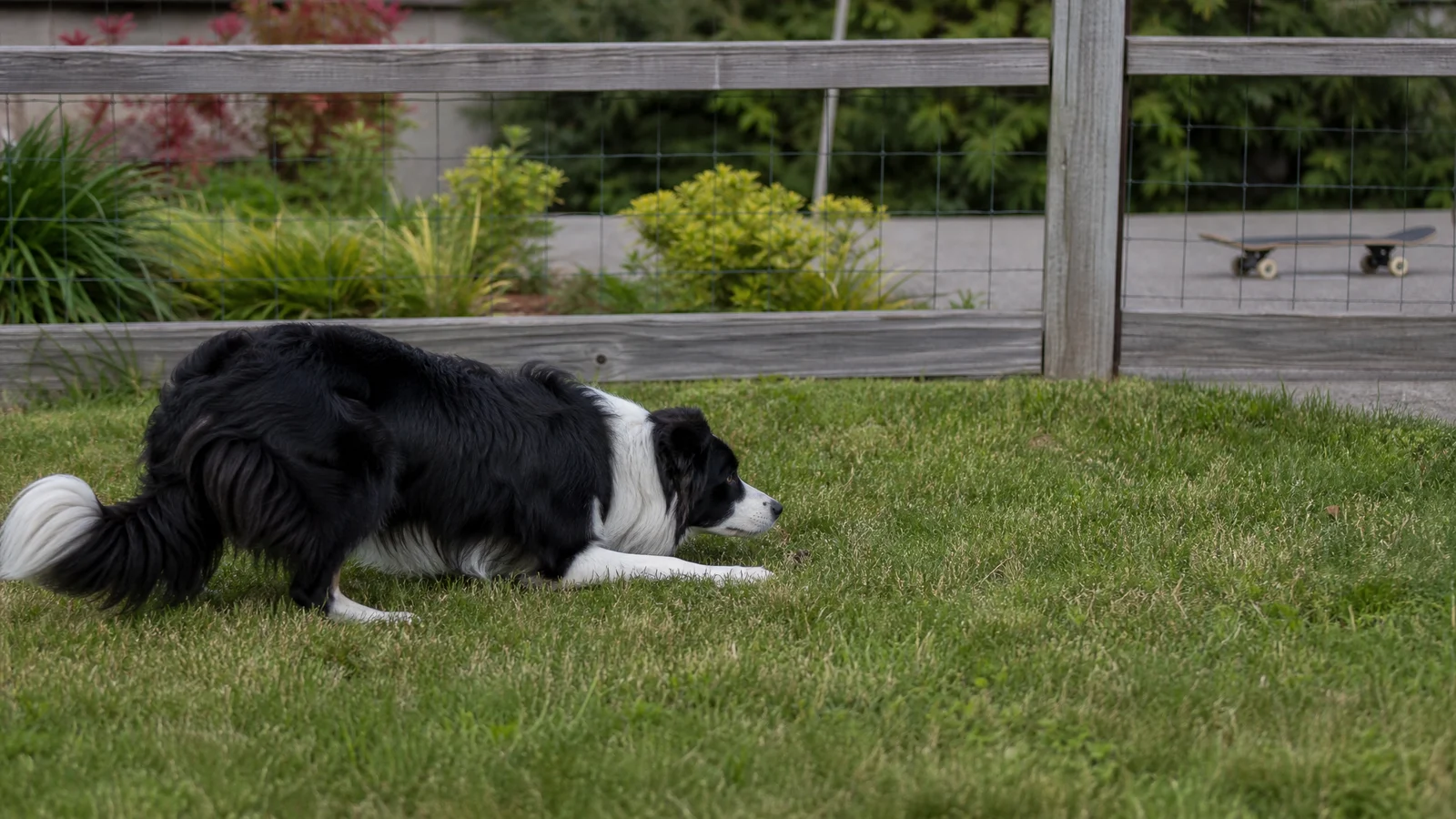 BehaviorReactive or Intense? Border Collie Aggressive Behavior Help
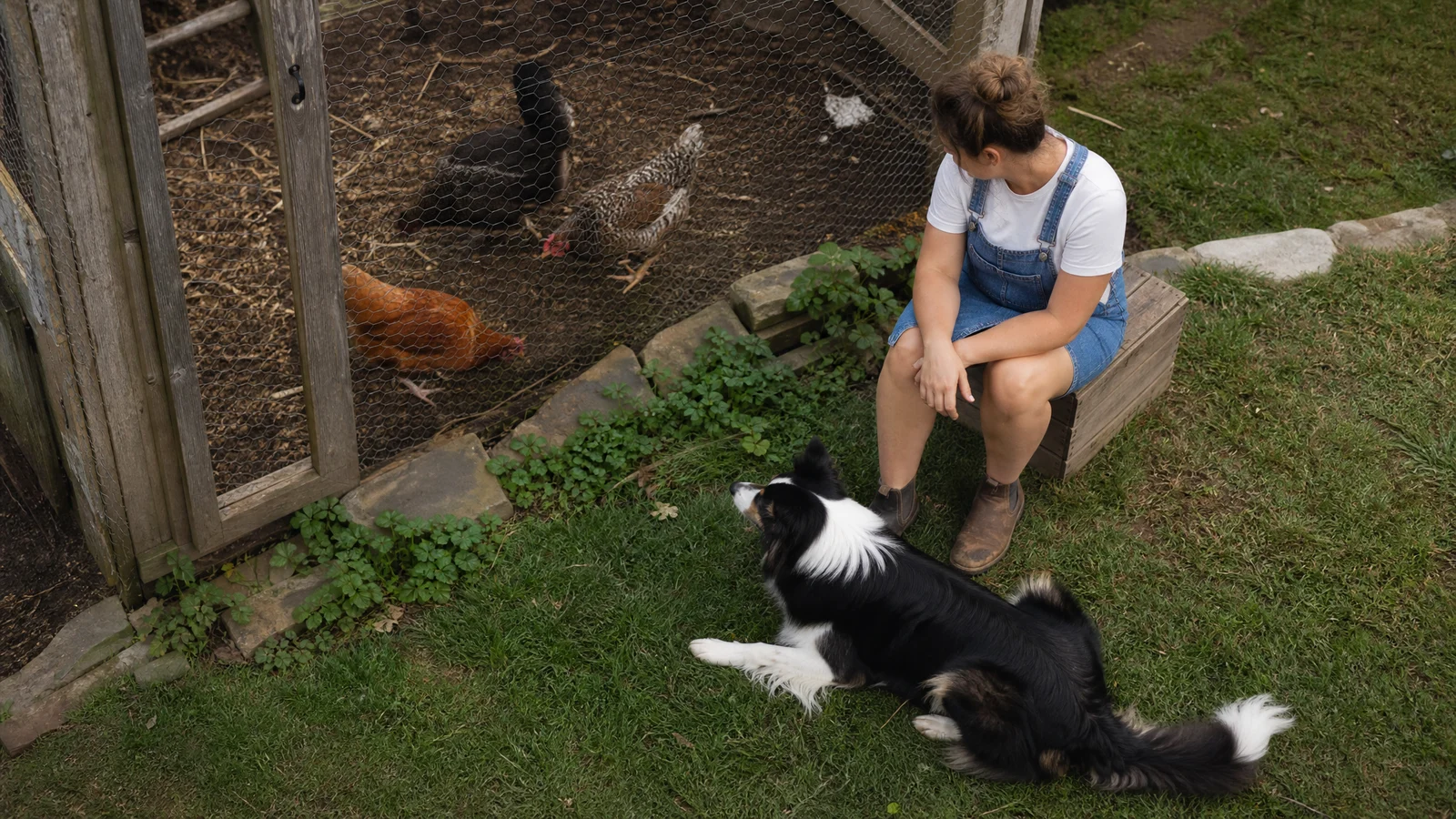 BehaviorIs a Border Collie Good With Cats and Farm Animals?
 Training basicsHow to Teach a Border Collie Recall Near Sheep and Open Fields