 Border Collie

Ordinary advice for a chewing dog is a chew toy, a longer walk and some patience. For a Border Collie that plan usually misses, because the chewing is often a thinking problem more than an energy problem. Mental work has to be trained in on purpose, not just offered and hoped for.
This is a remarkably bright workaholic, shaped over generations to solve problems out of sight of the shepherd. Given no task, they invent one, and your cushions are close at hand. Handled badly, the habit hardens into a dog who shreds on schedule. Handled well, the same drive becomes a dog who settles and works with you.
Below, you'll first identify the chewing pattern, then build daily brain work, planned rest, safer chew choices and a home setup that stops rehearsal. Use the sections in that order.
Boredom Chewing or Something Else
Not every chewed object means boredom, and the pattern of the chewing usually tells you which cause you are dealing with. Check before you change the plan.
- If your puppy mouths everything within reach and seems to want pressure on their gums, teething is likely. Offer more approved chews and keep management tight, because this phase passes.
- If the chewing happens when you are gone and comes with pacing, drooling, panting or whining, stress or separation distress is more likely than boredom. Work on calm alone time in small steps.
- If the chewing spikes during storms, fireworks or loud household noise, sound sensitivity may be driving it. Our guide on Border Collie noise sensitivity covers that.
- If your dog is wary of new people and places and chews when overwhelmed, review early exposure. The seven-month socializing window matters for confidence.
- If the chewing clusters right before meals or comes with raiding the trash, mention it at a routine vet visit rather than guessing.
Boredom is the likely answer when the chewing tracks a lack of activity. It is worse on rainy days or after a quiet weekend, and better after a long scent game or training session. That pattern points straight to the brain work above.
A sudden change calls for a different response. An adult dog's temperament is usually settled by about 3 years, so a sudden behavior change with no clear trigger is often the first hint of pain or illness. If your adult dog suddenly starts chewing, or the chewing is intense or aimed at their own body, call your veterinarian before you blame boredom. Regular checkups suit an active working-type dog anyway.
Brain Work Against Boredom Chewing
The verdict is that daily mental tasks are what replace the urge to destroy. Walks matter, and this breed needs daily exercise well beyond a stroll around the block, but the brain needs its own share. Treat brain work as a job you assign every day, because a dog with an assigned job is far less likely to take one on their own.
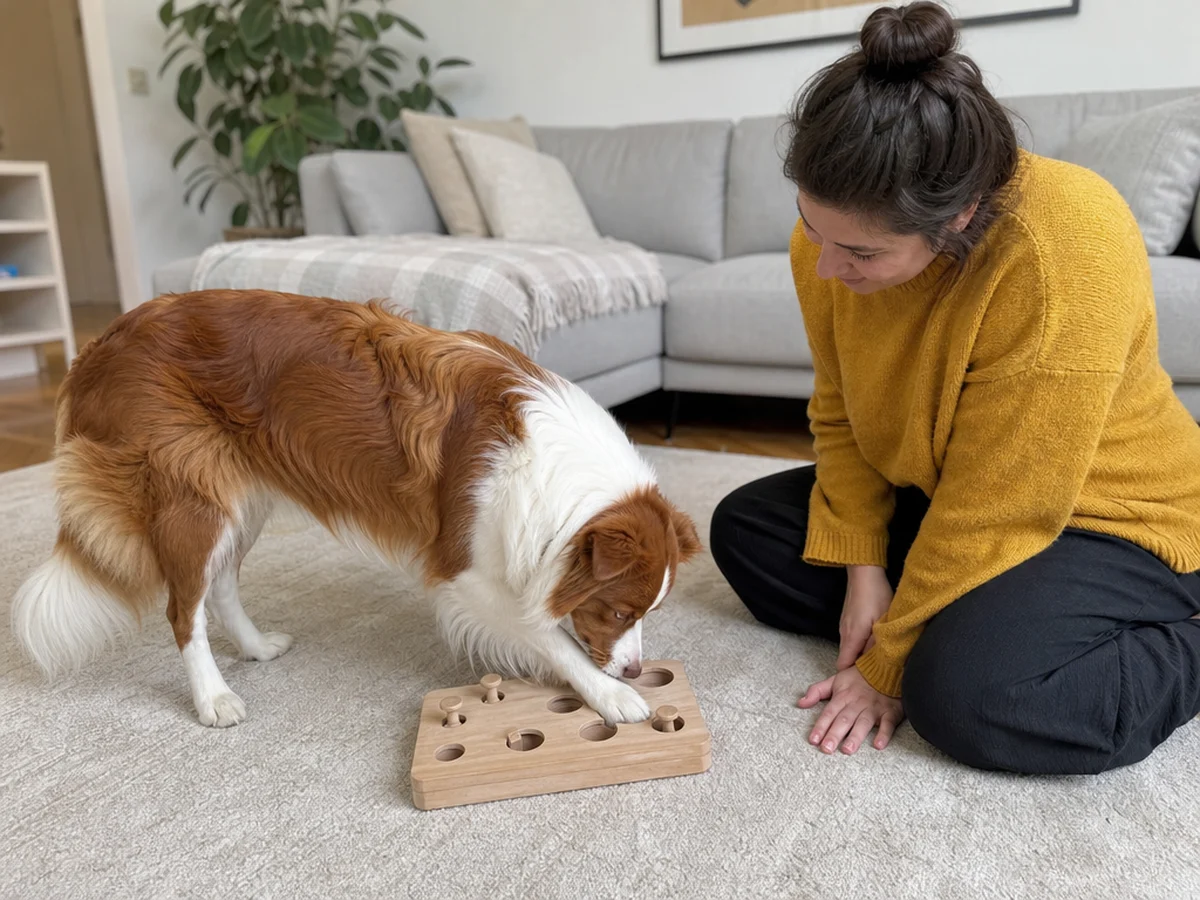
Food Searches by Nose
Find-it is the easiest place to start. Toss a handful of treats across the floor or into short grass and cue "find it." As your dog improves, hide treats under cups, behind chair legs or in other rooms while they wait. Sniffing tires a dog in a way running does not, and it costs almost nothing.
Raise the difficulty only when your dog is winning quickly. If they give up, the hide was too hard, so make the next one easier and let them succeed.
Meals That Take Work
Turn some meals into work. Puzzle feeders, snuffle mats and stuffed toys make a Border Collie solve a problem for their food, which is exactly the challenge they crave. If your dog clears a puzzle in seconds, step up the difficulty. If they get frustrated and walk away, step back down.
Five-Minute Skill Bursts
Short sessions beat long ones. A handful of quick repetitions, ended while your dog is still keen, keeps them eager for the next round. Teach new tricks, name games, a mat settle and a "bring me your toy" routine, and pay each success with treats, play or your marker word.
Include one skill that points straight at the problem: "go to your bed and chew." Mark and reward your dog for lying down with an approved chew, and you are training the exact replacement behavior. Obedience that starts early and continues through life supplies the mental stimulation this breed needs, so keep adding skills as they grow.
The Work-Rest Rotation
You do not need a complicated schedule. A simple pattern, repeated, works:
- Morning: exercise, then a scent game or puzzle feeder for part of breakfast.
- Midday: a short training session, followed by rest with a chew in the crate or pen.
- Evening: play or a walk, another brief skill session, and a stuffed toy while the household winds down.
- Weekly: add a new trick, a harder hiding game or a fresh place to sniff, so the work stays a little more interesting.
Rest Against Boredom Chewing
Enforced downtime is not optional for this breed, because a dog bred to work long days does not always know how to switch off. A crate or a small pen teaches the off switch, and it keeps your belongings safe while the lesson sinks in. Set it up in a quiet corner of a room where you spend time, with a comfortable bed and a safe chew inside.
The space must feel like a haven, so keep it never a punishment and never a place for being sent when you are annoyed about damage. Feed a meal or a stuffed toy in there, drop treats in while the door is open, and let your dog wander in by choice.
Plan rest after exercise and brain work, not instead of them. A dog who has sniffed, played and trained is far more likely to lie down and chew calmly on an approved item. Reward that calm with quiet praise and a treat. Over time the pen becomes the place where a keyed-up dog learns the settling that makes evenings on the couch possible.
Safe Border Collie Chews
The verdict here is to choose chews that match a strong, clever jaw and make your dog work a little. A chew that vanishes in a minute teaches only that the search must continue. Skip anything that splinters, anything hard enough to risk a broken tooth, and anything small enough to swallow whole.
Stuffable Rubber Choices
Hollow, sturdy rubber toys are the workhorse because you can stuff them. A dog who has to extract food is thinking, not just gnawing, and that is the part this breed craves. Pick sizes clearly too big to swallow and retire any toy that is cracked, chunked or worn thin.
Edible chews can help, but they get consumed, so choose a size for your dog and stay close when you first offer a new one. Watch how your dog handles it before you leave them alone with it.
The Novelty Budget
A bright dog gets bored with the same old toy within days. Keep only a few chews out and store the rest, then swap them over every day or so. Anything that has spent a while in the closet feels brand new, and novelty is cheap brain work.
A chew only helps if it beats your furniture in the dog's mind. So pay for the choice itself. When you see your dog settle on an approved item, say your marker word and quietly drop a treat beside them. Calm chewing on the right thing is the behavior you are building.
Border Collie Boredom Chewing
Our verdict is to manage first and train second. Each unsupervised session on a couch corner rehearses the habit, and the chewing pays off all by itself. Until skills are in place, your home has to do the teaching by making the wrong choices unavailable.
The First Safe Zone
If you cannot watch your dog, they should not have the run of the house. Gates, closed doors or an exercise pen shrink their world to a space that is already safe. If you can protect only one area, pick the one where your dog spends the most unsupervised time.
Favor a kitchen or utility room with hard flooring and little to destroy over a living room full of upholstery. Border Collies are a problem-solving breed, so a dog who is curious about a lever handle or a cabinet latch may try to work it out. Test that latches really hold.
High-Scent Targets
Shoes smell like you and cushions are soft and satisfying to shred, so both are favorite targets. Keep shoes in a closet or on a high shelf, laundry in a lidded hamper, and loose sofa cushions off the furniture whenever you leave the room.
If your dog grabs something, do not chase. A herding breed loves nothing more than a game of keep-away, and being chased is the prize. Walk to the treat jar instead, let them follow, and trade the item for a treat. Then hand over an approved chew so the swap ends with something better than what they gave up.
Some dogs grab things purely to start the chase. In that case, asking for a sit after you turn away, and rewarding that sit, works better than any show of drama.
Electrical Hazards
Cords are a real hazard, because a chewed live wire can seriously hurt your dog. Unplug what you can, run the rest behind heavy furniture or through cord covers, and block access to power strips. If your dog fixates on one cord, the room needs another layer of management and your dog needs something better to do right now.
Nipping at ankles or kids can start alongside chewing in the same under-occupied dog. If you see both, our guide to redirecting a Border Collie who nips covers the herding side.
How Border Collie Boredom Chewing Eases
Expect the chewing to ease gradually, not vanish overnight. Puppies chew because mouths are how they learn, and adolescents chew because they have more energy and opinions than impulse control. With a steady daily routine and rewards for the right chews, the destructive chewing usually eases as the routine takes hold and your dog matures.
You will know it is working when approved chews become your dog's first choice, when they settle in the crate or pen without fuss, and when furniture goes untouched even while you are out of the room. Then loosen the management one step at a time, such as leaving a single cushion out and checking that nothing changes before you loosen the next.
Relapses happen, and they are predictable. A busy week, bad weather, a minor injury or a long run of skipped games will often bring back the shoe or the cushion. Do not read that as failure or as a sign that your dog has turned bad. Read it as feedback that the brain work slipped, and restart the routine. This breed stays clever and driven for life, so the daily job never fully ends, but it gets more automatic and more rewarding for both of you with every year.
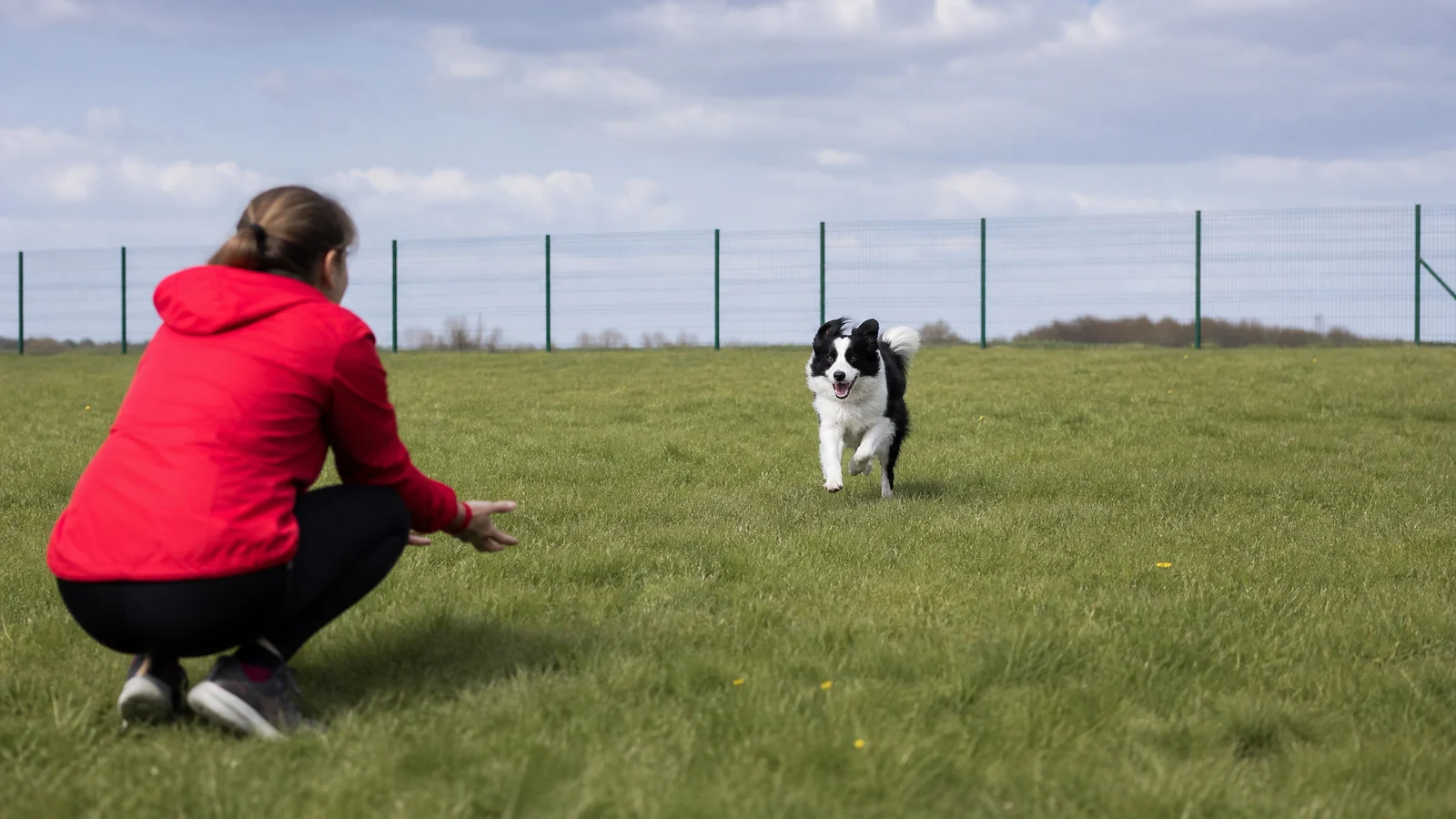 Exercise and jobsBorder Collie Running: Open-Field Time With a Reliable Recall
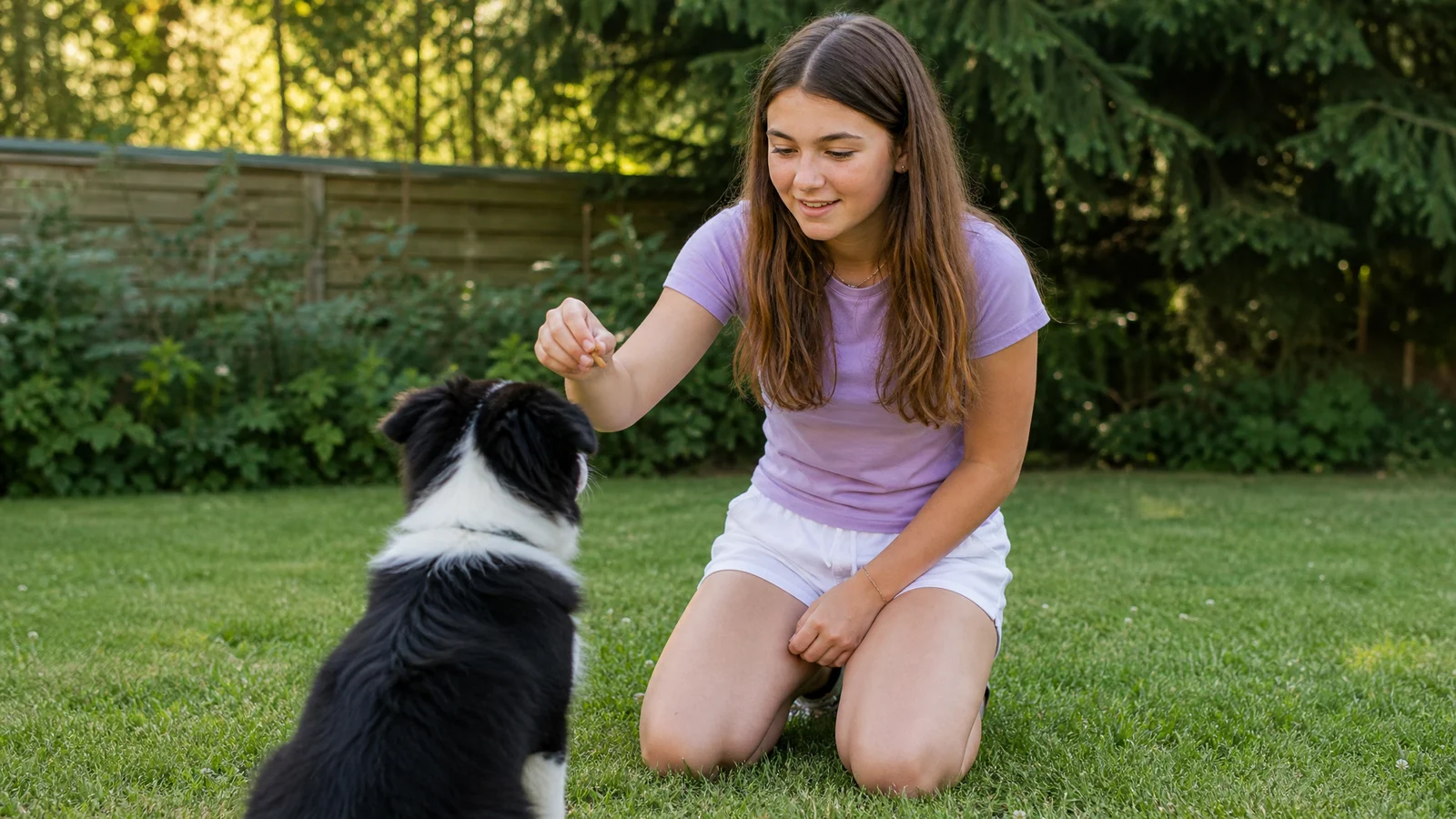 Puppy trainingBorder Collie Puppy Milestones From 8 Weeks to 2 Years
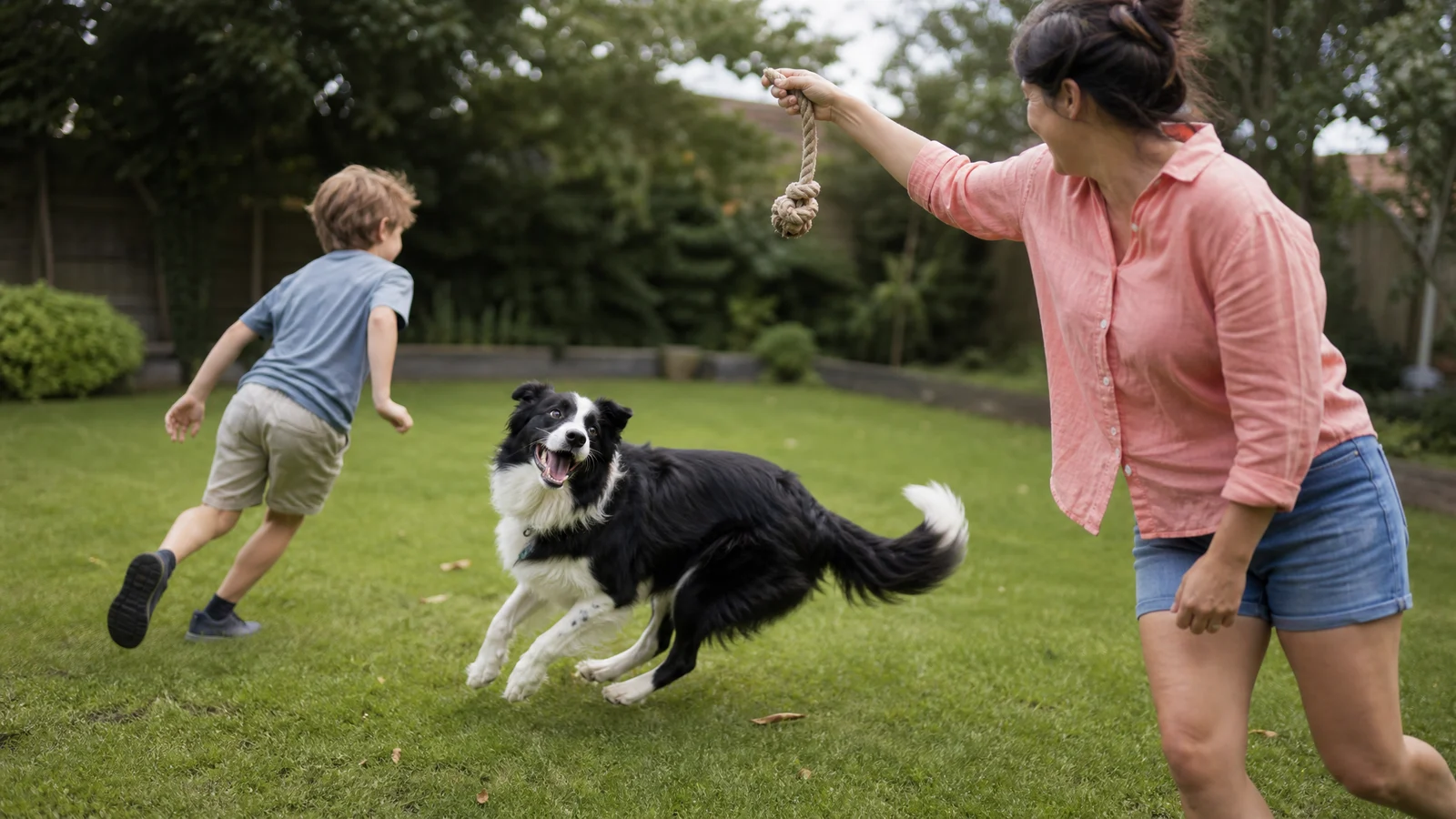 BehaviorRedirecting a Border Collie Who Nips Ankles and Herds Kids