 Border Collie
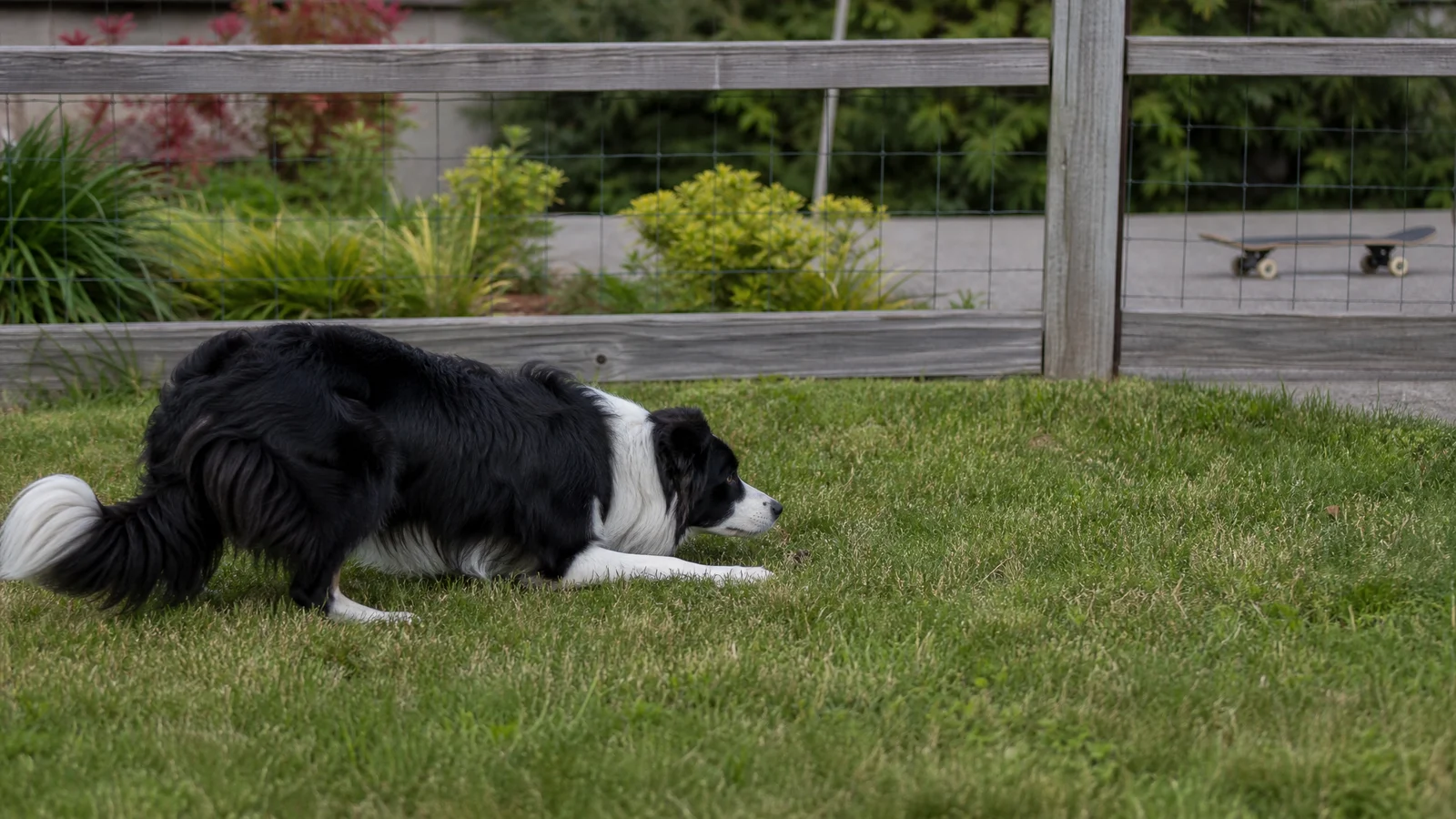
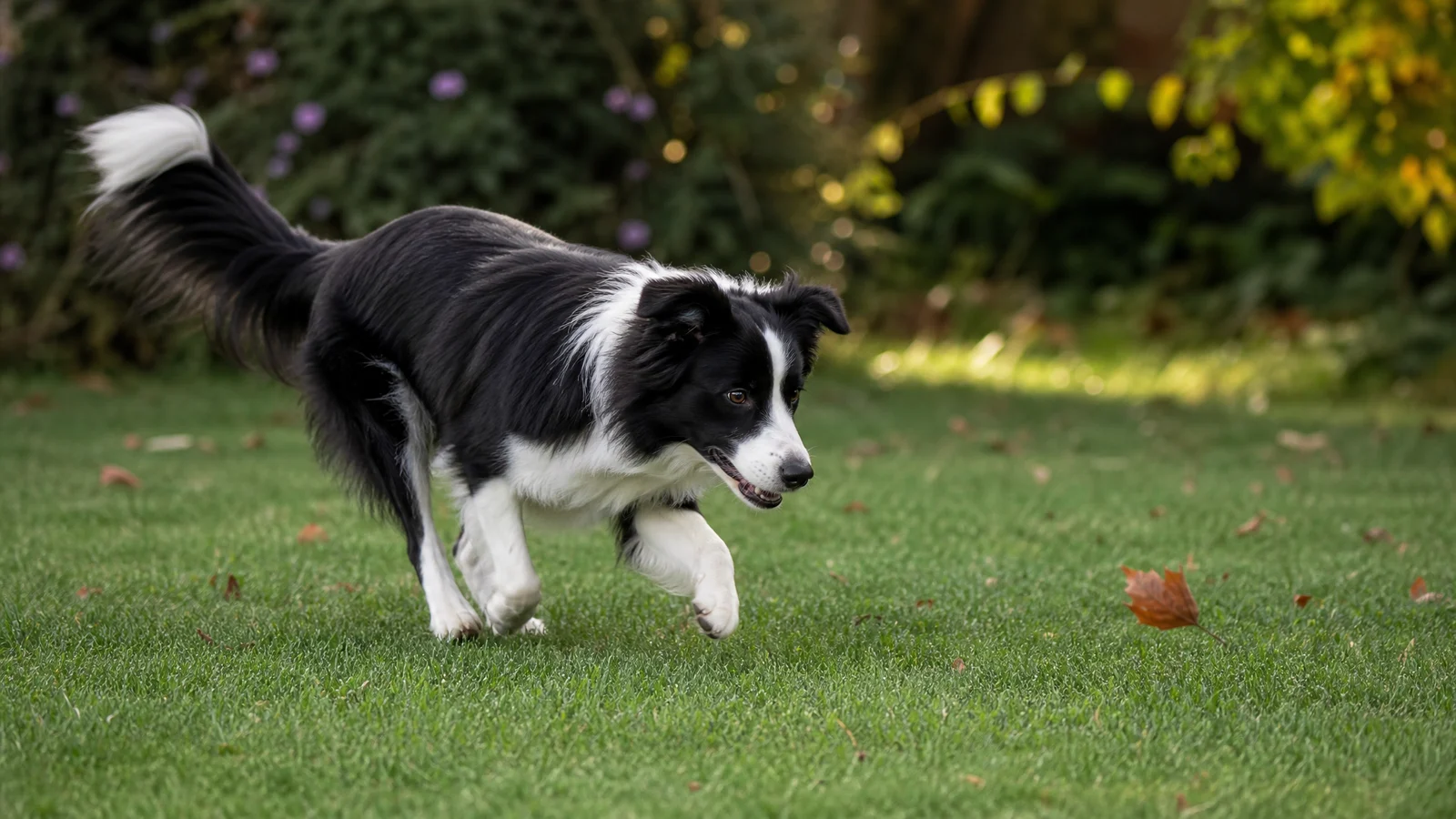
Some Border Collies stalk children across the yard, fix them with a hard stare and circle wide, yet never put a tooth on anyone. Others look relaxed until a hand reaches for their collar, then go stiff and snap. Both may get called aggressive, but the standard's dog, who stands their ground and is neither nervous nor aggressive, fits only the first.
The first dog is running a herding pattern bred into the breed. The second is telling you something is wrong. They need different plans, and mixing them up either leaves a risky habit alone or frightens a dog who was only working. Get it right and you keep the keen, responsive dog the standard describes.
This guide covers aggression in the Border Collie, from the stalk and the stare to the snap over a bone, then on to lunging at strangers, sudden changes that point to pain, and the signs that call for a specialist.
Border Collie Aggression Starts With Reading the Signs
Two dogs can earn the word "aggressive" from a worried neighbor. One creeps toward a passing bicycle, and the other backs under a table and growls when a hand reaches in. The breed standard separates them: it wants a dog who, when approached, stands their ground, alert and interested, never showing shyness, fear, dullness or resentment.
The standard also says the breed should be neither nervous nor aggressive, but keen and responsive, and it disqualifies viciousness or extreme shyness. Intensity is another matter. Selective breeding built the breed's energy and trainability, along with a working style of controlling stock with an intense gaze called "eye" and a stalking style of movement.
That is why a useful map starts with what you see or hear, not with the label. The table below lists the common behaviors, the likely cause and the fix, and each is covered in the sections that follow. Causes overlap and dogs vary, so treat it as a starting point.
| What You See or Hear | Likely Cause | First Step |
|---|---|---|
| Stare, crouch and chase with no contact | Herding intensity | Redirect and reward calm distance |
| Nips at running children | Herding grab, or irritation | Supervise and manage |
| Stiffening or growling over food, toys or space | Resource guarding | Give room and teach trades |
| Lunging and barking at strangers or dogs | Frustration, fear or over-arousal | Add distance and reward calm |
| Out-of-character snarl or snap | Pain, illness or fear | See the vet first |
Herding Stalk and Stare Versus Aggression
A young dog watches a skateboard roll past, drops their chest, locks their eyes on it and creeps forward, then trots back to you the moment it is gone. Nobody was touched, yet it looks like the start of an attack, so it often gets called aggression.
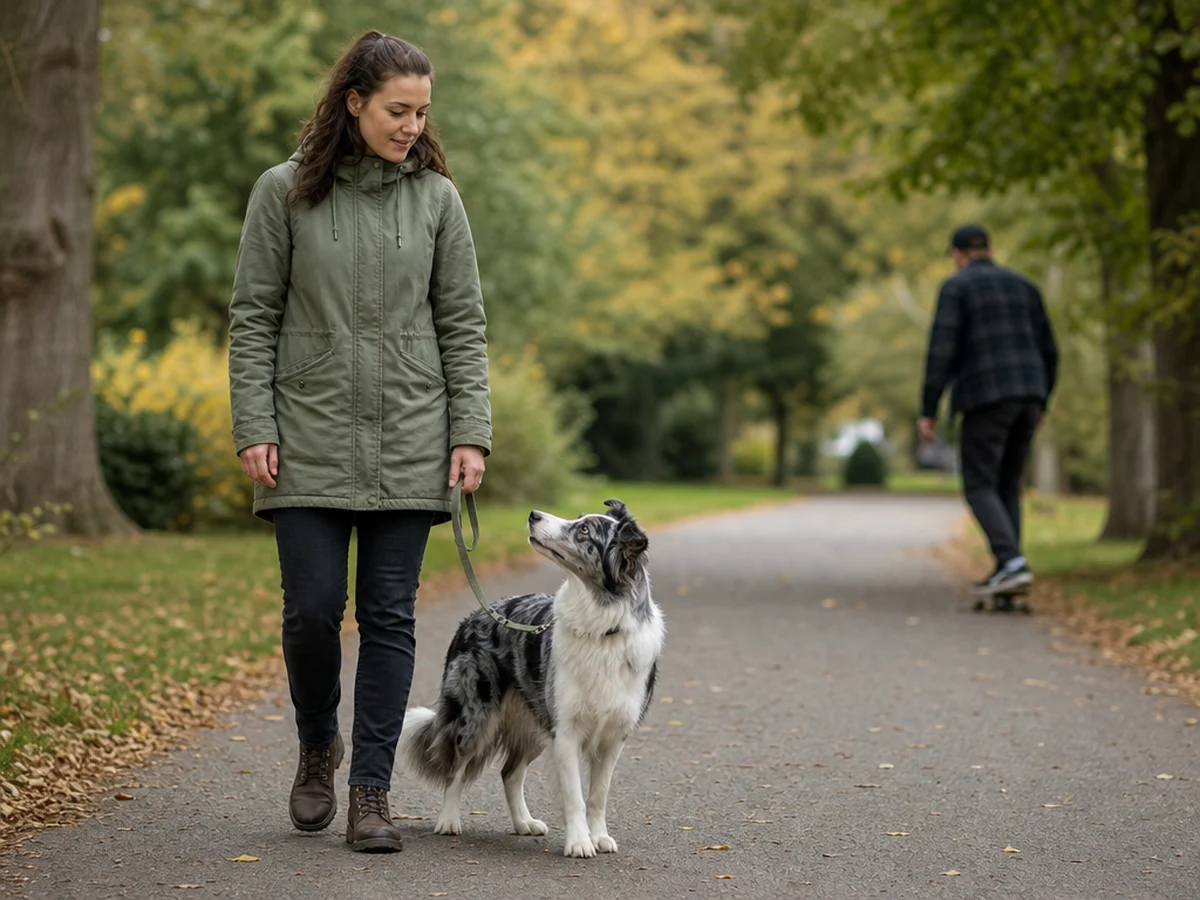
In this breed it is usually herding. Border Collies herd because their bodies and minds were crafted for the task, and they are naturally drawn to chasing and controlling the movements of animals. The standard even praises a gait that conveys great stealth and speed, and a body balanced enough to change from a high speed to a creep, a stalk to a steady lift.
What feeds it is rehearsal and spare energy. A dog who watches the street from a window or fence practices the whole sequence daily, and a dog whose exercise stops at a walk around the block has fuel left over. Plan structured mental work as well as miles. Endurance is the breed's trademark, so the common belief that exhaustion always brings calm is only half right, since more running alone may just build a fitter dog.
Reward what you want from a distance where your dog can still think: a soft look at the moving thing, then a glance back at you, marked and paid. Our guide to what the stare and stalk mean goes deeper on what to reward. Stalking toward people is not harmless, so keep it from ending in a lunge.
Nipping and Snapping by a Border Collie Around Children
A child sprints across the yard, and the dog swings out wide, crouches, then closes their mouth on a sleeve or a heel. There is no growl and no stiffness, and the dog may look pleased with themselves.
That pattern is most likely a herding grab. Running, squealing movement can switch on the same chase-and-control instinct that works stock, and some dogs add a nip. It still matters, because small ankles and hands pay for it, and a dog does not need to be angry for a child to get hurt.
A bite from fear or irritation looks different. The body goes stiff, a growl or lip lift comes first, and it happens when a child is still, leaning in, hugging or reaching for a toy. Because the breed tends to herd people as well as animals, they do best with older, well-behaved children. Supervision and management carry most of the work:
- Watch every moment the dog and children share, and use a gate or closed door when you cannot.
- Teach children to stop and stand quietly when the dog gets keyed up, instead of running away.
- Set up a retreat spot, such as a mat or a crate, where children are never allowed to go.
- Mark and treat when your dog stays loose while children move at a distance, and shrink that distance slowly.
- If play turns frantic, stop it, give a short time-out in another room, then offer a chew.
Aggressive Guarding Over Food, Toys and Space
A dog lies over a chew, goes still, hardens their eyes and lets out a low growl as a family member walks past. Nothing moved fast, so herding does not explain it.
This is resource guarding, and the cause is value. The dog expects to lose something they care about, and the stiff body, growl or snap is an attempt to keep it. The same pattern can appear over a bowl, a toy, a bed or a favorite person. In a Border Collie, the intensity bred into the breed can raise the stakes.
These are dogs described as intense workers, and a dog who puts that much focus into a favorite toy, or into the person they work with, may hold on to it just as hard. The stillness and hard stare can look like herding "eye," but here the dog is protecting something, not controlling stock.
Pressing on after a growl backfires. The growl is a warning, and a dog who learns that warnings get them nowhere may skip them next time and go straight to a bite. Keep the growl safe to give: stop, step back and change the situation. Predictable feeding with clear structure, routine and guidelines helps too, because the dog stops guessing.
Feed in a quiet spot away from children, pick up bones while the dog is elsewhere, and practice trading up for something better instead of prying anything loose. The full trade-based plan has its own guide, linked at the end of this page.
Lunging and Barking Aggression at Strangers and Dogs
On leash, a Border Collie spots a stranger or another dog half a block away and pulls, barks and lunges, yet the same dog may greet a calm dog politely at a quiet park. The leash is part of the story.
Three causes look alike from a distance. Frustration comes from being held back from something wanted, fear is barking to make the scary thing go away, and over-arousal is a dog so wound up that any trigger tips them over.
A scared dog usually tries to back away, but with nowhere to go they may become aggressive if cornered or trapped, and a short leash can feel like a trap. The standard calls the breed possibly sensibly reserved with strangers, so some reserve is normal.
Distance helps all three, and how quickly your dog recovers after the trigger leaves tells you which one you face. Record the recovery time after each practice setup.
- Work out how far away the trigger can be while your dog still notices it and happily accepts food.
- Mark and treat the instant they look with a soft body, then again when they look back at you.
- If the body stiffens or barking starts, calmly turn and add space, then end on an easy win.
- Close the gap only after several relaxed sessions, and step aside or cross the street when needed.
Positive exposure to many people and situations, from early puppyhood through about seven months, makes this easier. Older dogs can still learn calm distance, just more slowly.
Sudden Aggression That Points to Pain or Fear
A dog who has always enjoyed being brushed snarls when your hand passes their hip, or snaps when asked to jump onto the couch. The change itself is the clue.
Pain, illness and fear can all turn a tolerant dog touchy. Pain lowers the threshold for a snap because a touch that once felt fine now hurts, and a scare can leave a dog wary of whatever they link to it. We cannot tell which from a description, so a veterinary exam comes before any behavior plan. Signs that point away from herding intensity include:
- The reaction began suddenly in a dog who was easygoing before.
- It happens when you touch or move a particular body part, or around stairs and furniture.
- There is no moving trigger, and the dog is still or lying down when it happens.
- The dog seems stiff, slower to rise, or different in appetite or sleep.
- The dog stays tense or hides afterward, instead of relaxing once the moment passes.
Until the visit, avoid touching sore spots, use ramps for furniture, and keep children away from the dog. Regular vet visits are the best way to catch these problems early, and a note on when the change began will help your vet.
When Aggression in a Border Collie Needs a Specialist
A bite that breaks skin, a growl that now comes with no warning, or a dog who goes after a person standing still all sit beyond what home management can safely handle.
Because the consequences and liability are serious, any dog showing aggression should get professional help from a veterinary behaviorist. Having trained this breed for many years, we would rather you call early than late. A qualified reward-based trainer can then build the daily plan around the medical picture.
Red Flags Worth an Early Call
- Any bite that breaks skin, or repeated contact with teeth.
- Escalation, meaning faster, stronger or more frequent reactions despite good management.
- Danger to people, especially children, visitors or anyone who cannot get away.
- Aggression aimed at people who are standing still, not just at fast movement.
- A dog who cannot be safely walked, handled or visited at home.
Choosing Help and What to Bring
Listen for treats, play, distance and management in how a trainer describes the plan. Good signs include plain-language explanations, a willingness to work with your vet, and experience with herding breeds. Be wary of anyone who promises a quick fix.
Bring video of the behavior, a log of dates and triggers, your dog's medical records, and a list of what you have tried. Until the first appointment, keep management strict with gates and leashes, and give the dog quiet space away from visitors.
Aggression Eases When You Treat the Cause
A low growl can come from a dog guarding a bone, a dog hurting in a hip, or a dog frightened of a stranger. The sound is the same and the fixes are not, which is why the cause decides the plan. Name it first, then act.
For a breed built to be keen, responsive and driven, that means structure, daily mental and physical work, rewarded calm at a distance, and a vet and a specialist when the signs point to pain or danger. Keep regular vet visits going too, because a healthy dog is easier to read.
The questions that tend to follow each have their own guide. If your dog goes after heels, see how to redirect a dog who nips ankles. For growling at the bowl, teaching a Border Collie to trade instead walks through the steps. For barking and lunging, teaching a Border Collie to settle gives your dog a calm job. Questions about the teenage months or handling at the vet come back to the same rule: read the cause, then act.
These dogs give a great deal back. After a day of real work, an energetic Border Collie settles for cuddle time, and that affectionate, keen and responsive dog is who every rewarded calm moment builds.
 BehaviorIs a Border Collie Good With Cats and Farm Animals?
 Training basicsHow to Teach a Border Collie Recall Near Sheep and Open Fields
 Puppy trainingKeeping a Teenage Border Collie's Training on Track as Drive Grows