 Border Collie
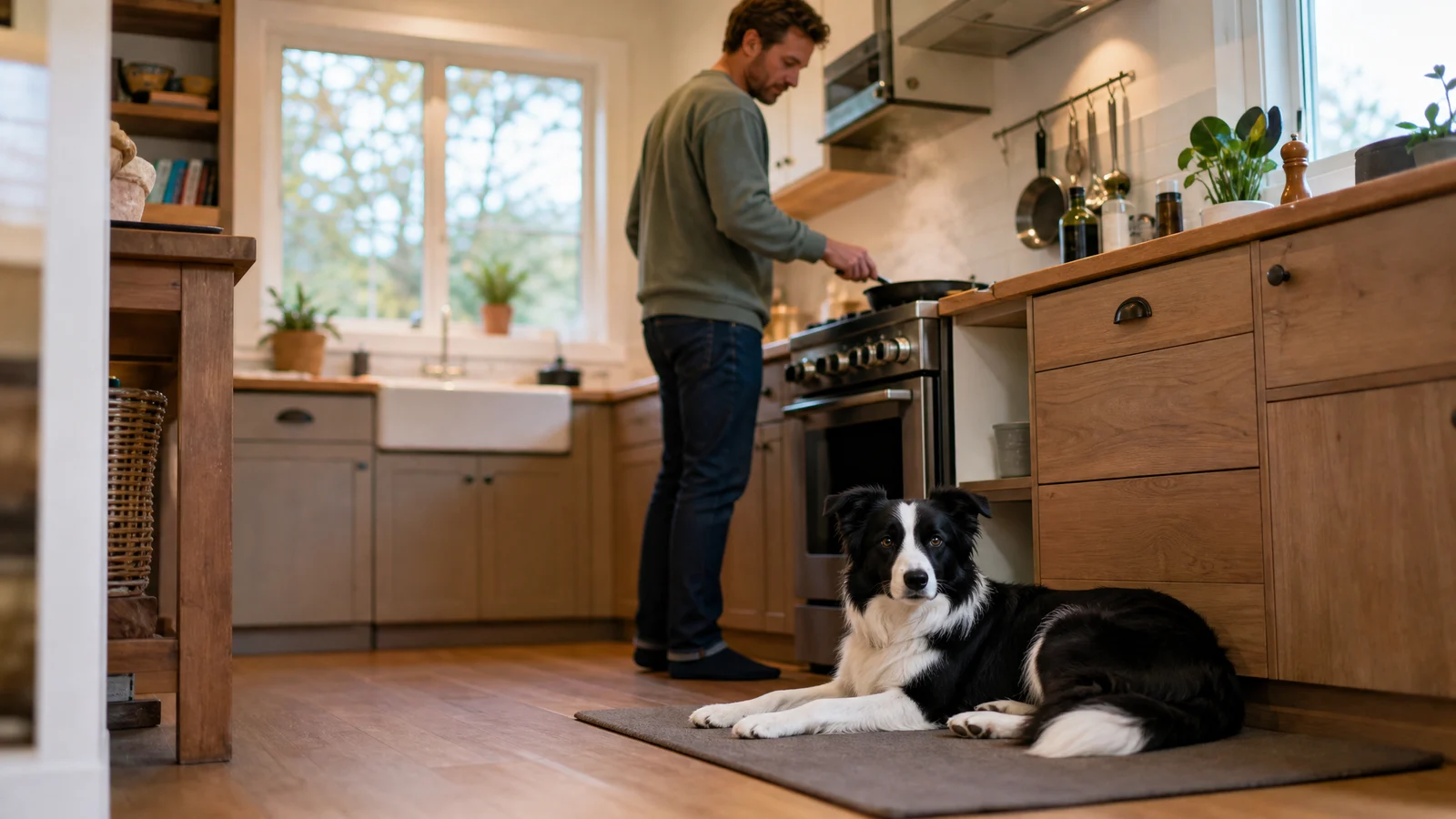
Some Border Collies learn a new cue in a few repetitions and then settle on the kitchen floor while dinner sizzles. Others have learned, just as quickly, to bark at the window, herd the kids down the hallway and ignore the person holding the treats. The brain is the same in both homes. What differs is what each dog has been allowed to practice.
With a dog this quick, a stray habit becomes a routine within days, and learning to switch off can take months or even years. We have trained Border Collies for many years, and the calm ones were always taught that calm pays. Read on for a stage-by-stage walk through one job, a settle on a mat, from the first marked moment to a ringing doorbell.
Border Collie Training Starts With One Small Job
The breed earns a trainability rating of 5 of 5 and a description as a remarkably bright workaholic with an uncanny ability to reason. That is a lot of horsepower waiting for a destination. A dog who can work out sheep movements without commands will also work out your schedule, the jingle of your keys and the exact moment you give in to a barking demand. Without a defined task, they pick their own.
So start with one concrete job: lying on a mat until released. It is small enough to practice in a couple of minutes, useful every day of the dog's life, and it teaches the skill owners say takes longest, which is switching off. Many owners find the off switch arrives once rest becomes a routine with a bed, a mat or a crate, instead of a hope that the dog will eventually run out of steam.
Why a Mat Beats a Longer Run
Common advice says to run a Border Collie until they drop and train afterward. We would push back. Many owners describe multi-hour walks, miles of running and several outings a week, and still have a dog asking for more in the evening. Exercise builds a fitter athlete, while a mat teaches the off switch. Give this high-drive body its daily work, then spend your effort on teaching rest.
What to Gather First
The setup is simple, but each piece does a job, so gather these before the first session:
- A mat or bed that keeps the same texture and never gets moved, so it becomes the one place that always means rest.
- A clicker or a short word such as yes to act as your marker, delivered in the same bright tone every time.
- Soft, tiny treats in a few kinds, from everyday to special, such as cheese or chicken.
- A quiet room with no ball in sight, since a dog with a ball on the brain will not think about a mat.
- A release word, such as all done, chosen now so it means the same thing forever.
Mark the Mat Behavior in Early Training
Stage one is capturing, and it asks more of you than of the dog. Sit nearby with the mat on the floor and treats in your pocket, then wait. Stay quiet and still so your dog can focus on the mat. The moment your dog lies down on the mat by choice, say your marker, then drop the treat between their front paws so the reward lands exactly where you want them to be.
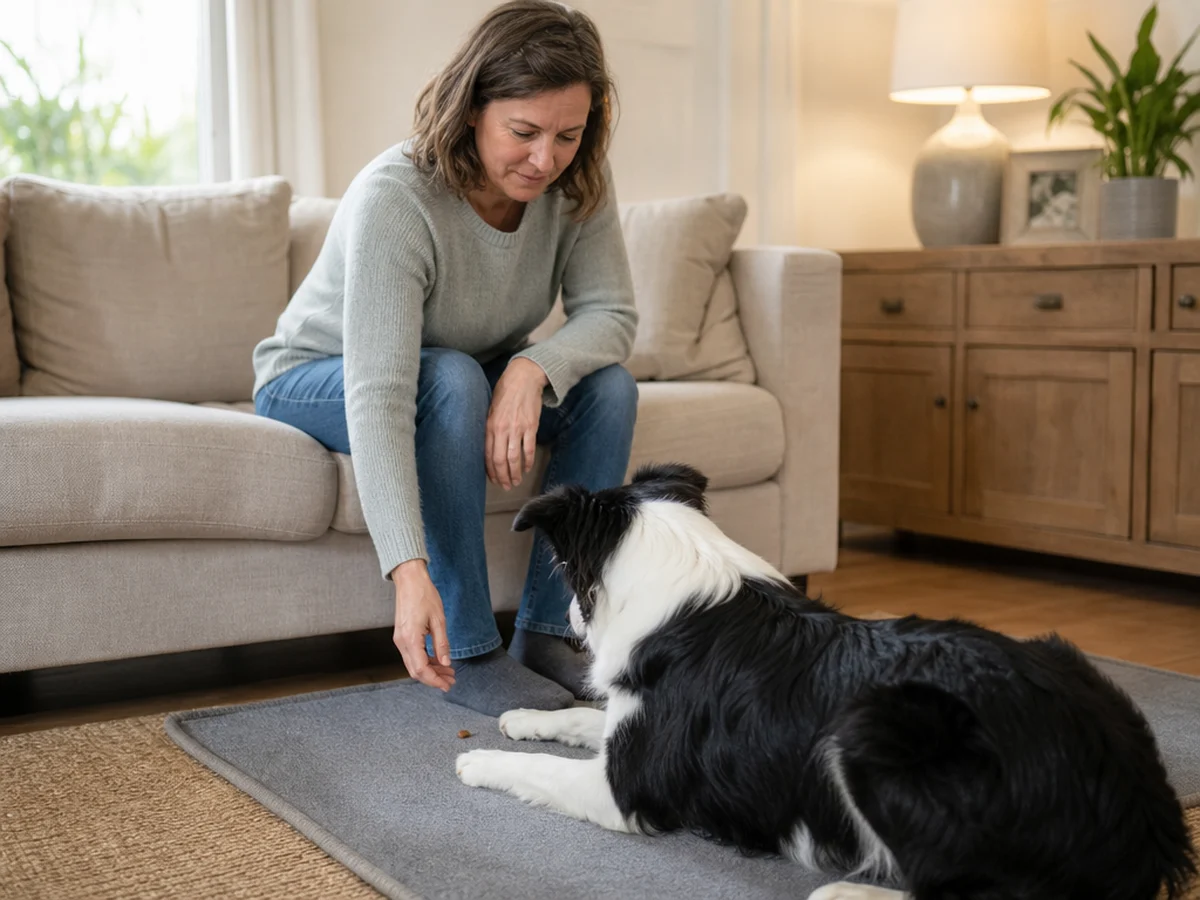
Expect a flurry at first. A bright dog offers everything they know: sits, spins, a paw, a bark, a hard stare. Let that burn out without comment. When they give up the show and sink onto the mat, mark it. Stick with short but regular sessions and stop on a high note while they still want more, because a keen worker who is overfaced loses their sparkle fast.
Reward-based work is also kinder to the mind you are shaping. In a study of 92 companion dogs, schools that relied on rewards produced dogs with fewer stress behaviors and lower cortisol increases after sessions. Calm learners take in more, and calm is exactly what this exercise is meant to build.
The First Session Step by Step
Run the first session in this order, and end it while the dog is still bright:
- Sit beside the mat with your hands still and a few treats ready.
- Wait for the dog to lie down on the mat by choice, even for a second.
- Say your marker the instant their elbows touch the floor.
- Drop a treat between their front paws, on the mat.
- Pause while they eat, wait for the next down, and repeat for a handful of rewards before saying your release word.
A few clean repetitions beat a long, fuzzy session every time.
Why Do Bad Habits Stick so Fast in Training?
Fast learning cuts both ways. The mind that grasps a mat in three repetitions also grasps that barking at the window makes you stand up, that nudging your elbow produces a ball and that tugging on the leash gets the dog to the smell. Border Collies are meant to be keen and responsive, and a responsive dog responds to everything you do, including the things you never meant to teach. A glance or a laugh can be the paycheck.
Habits Owners Reward by Accident
These habits get rehearsed most often, usually by people who have no idea they are paying for them:
- Window barking: you walk over, talk or peek out, and when the passerby moves on, the dog concludes the barking worked.
- Leash pulling: forward motion is the reward, and many owners report dogs who learn every other skill yet keep pulling for years because every walk keeps paying for it.
- Herding the kids: squeals and sprinting are thrilling to a dog bred to move things, and this breed does best with older, well-behaved children, so supervise closely.
- Play demands: staring, nudging or dropping a toy in your lap, then a single throw once, and the request becomes a nightly routine.
- Sound predictions: dogs link household noises, such as a smart speaker announcement, to a walk, a car ride, dinner or thunder, then react with excitement or hiding before anything has happened.
Swapping the Payoff
The fix is to remove the payoff and offer a better job. Ignore the play request and reward the dog when they settle instead. A few owners find that ignoring requests, paired with a clear not right now cue, eventually turns into habit. For barking, you can teach a quiet cue with a calm word and a steady trickle of tiny treats that prompts silence. Expect it to take several days or longer.
Puppies make the same trade from the first day, which is why housebreaking a Border Collie puppy goes best when the routine is planned and not improvised.
Training Duration Before Distance
Stage two is time. Once your dog drops onto the mat quickly and reliably, mark a moment after they lie down, then a little later again. Keep the treats tiny and frequent at first, then stretch the gaps unevenly so the dog cannot predict the next one. A Border Collie who stays put and keeps checking in with you is learning that patience pays.
Stretching the Time
Stay in the room and do something dull: read, scroll your phone, sip coffee. Return now and then to mark and treat on the mat, then say all done and let them up. These energetic dogs do settle down for cuddle time when the workday is done, but plenty of owners report that learning to stop took months or years, and some dogs stay ready to play at the slightest cue. Never reward an invitation to play with a game while you are building this.
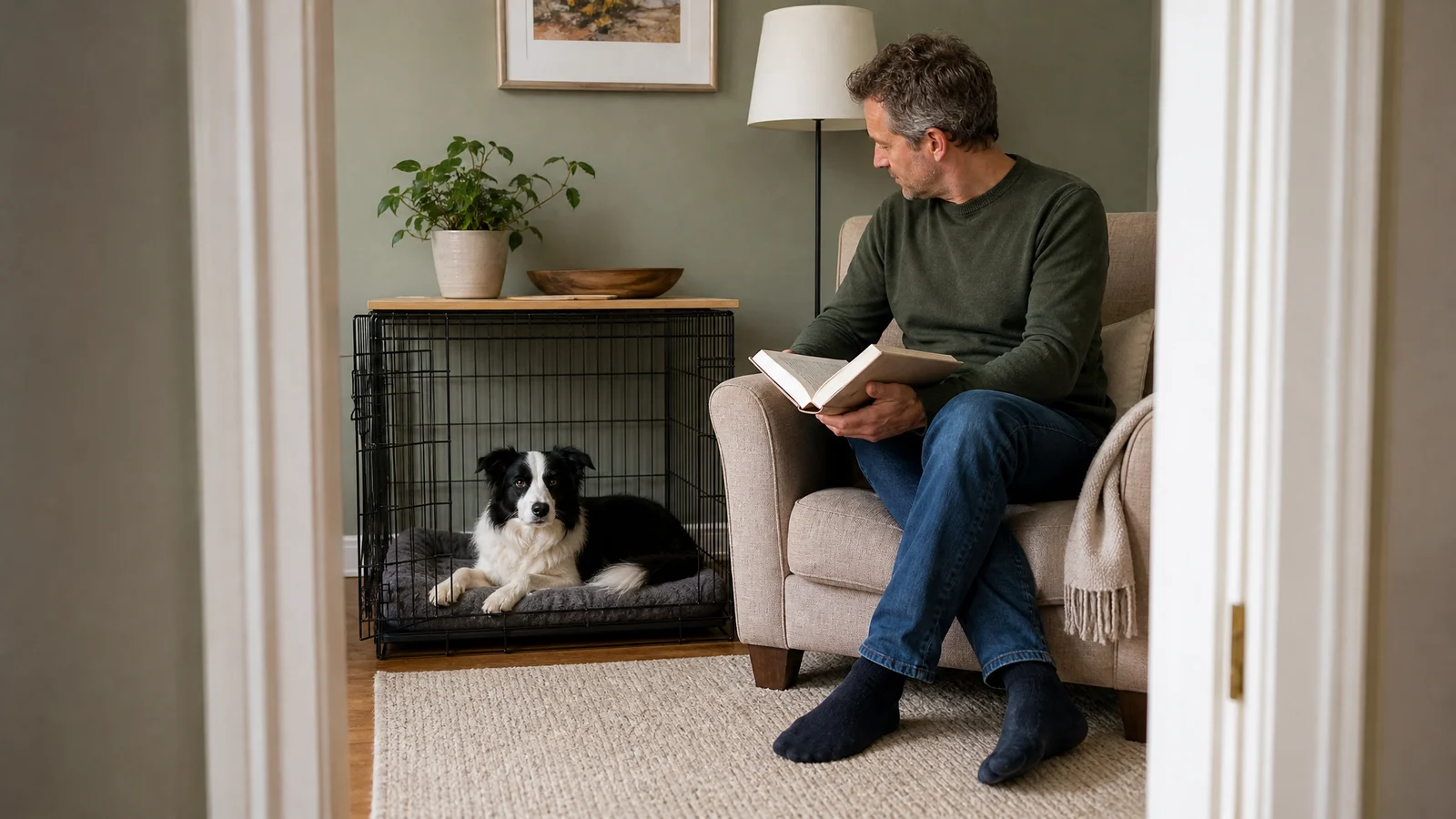
If your dog already uses a crate, the same release word works there, and our guide to building calm alone time shows how to link the two.
Adding Steps Away Last
Only when the duration is solid should you take a single step away and return before the dog gets up. Mark and treat on the mat, always coming back to them. Add steps gradually and drop back a stage whenever the mat starts to fall apart. Taking distance too soon is the usual reason the mat collapses, because a quick learner will happily practice getting up and following you.
Is Your Border Collie Bored or Just Excited?
A dog who cannot settle looks much the same whether they are under-stimulated or wound up, yet the fixes point in opposite directions. A bored dog needs more brain work, and a dog already overloaded needs less. Telling the two apart is the most useful skill you can build before you raise the difficulty of any session.
Reading a Bored Dog
A bored Border Collie invents work: pacing, shadowing you from room to room, stealing socks, barking at the window or staring at you with a toy. The breed needs a job or activity to be content, so add mentally demanding games such as scent work, hide and seek and sniff-and-find. Letting them help with chores, like shoveling snow, tires many dogs mentally and physically when long walks are not possible.
Keep a rotation, because some dogs lose interest in structured scent or puzzle work quickly, and a minority are simply not toy driven. If a game flops, drop it and try another.
Reading a Wound-Up Dog
A wound-up dog spins, mouths, whines, grabs treats roughly and breathes fast. More games will make this worse. Shorten the session, slow your voice, hand over treats calmly and lower the bar to a plain down on the mat with nothing else happening. Some dogs are calm indoors yet wildly energetic outdoors, so expect the mat to work in the house well before it works anywhere else.
If restlessness seems out of character, mention it at your next regular vet visit, since discomfort can look like fidgeting.
Proofing Mat Training Around Real Distractions
Stage three is real life, and the rule is one distraction at a time at a very low level. Start with a doorbell sound played quietly or a tap on the table, reward calm on the mat, then build up to a real ring, then someone walking past, then children moving about.
Many owners report that gradual, distance-based exposure to triggers such as bikes, buses and people helped, though results vary. If your dog gets more upset, you moved too fast, so go back to an easier version.
Making the Rewards Worth It
Many dogs value treats at home but lose interest outdoors or away from the house. Rotate high-value foods like cheese or chicken and limit them so they stay special. For some dogs a ball or frisbee outranks food and can break a fixation, so keep one in your bag. Games such as bowling treats underarm or counting and dropping treats help bring a locked-on dog back to you.
Some dogs listen reliably only when treats are involved, even after finishing training classes. That is common, and it is not a failure on your part. Keep paying generously for the behavior you want, and let your dog build reliability at their own pace.
Doors and Moving Things
Teach your dog to wait at doors and look at you for a release, and to stop and look as moving things pass. Reward eye contact or calm each time. A mat that holds when the doorbell rings is the same skill, and our complete Border Collie training blueprint shows how to fold it into daily routines. Ask children to walk, not run, past the mat and supervise every session.
Train the Border Collie Habit You Want Starting Today
This dog learns whatever you let them practice. A 5 of 5 trainability rating means the habit you reward on Monday can feel permanent by Friday, and an uncanny ability to reason means the dog will also find the loopholes. Training that begins early and continues for life keeps that mind busy, so the real choice is whether the practice they get is the calm you want or the noise you did not plan.
Today, put the mat on the floor, sit down with a few treats and set aside a single two-minute session. Wait for the first time your dog lies down on their own, say your marker, drop the treat between their paws and finish with your release word. That one calm repetition, rewarded, is the beginning of every quiet dinner to come.
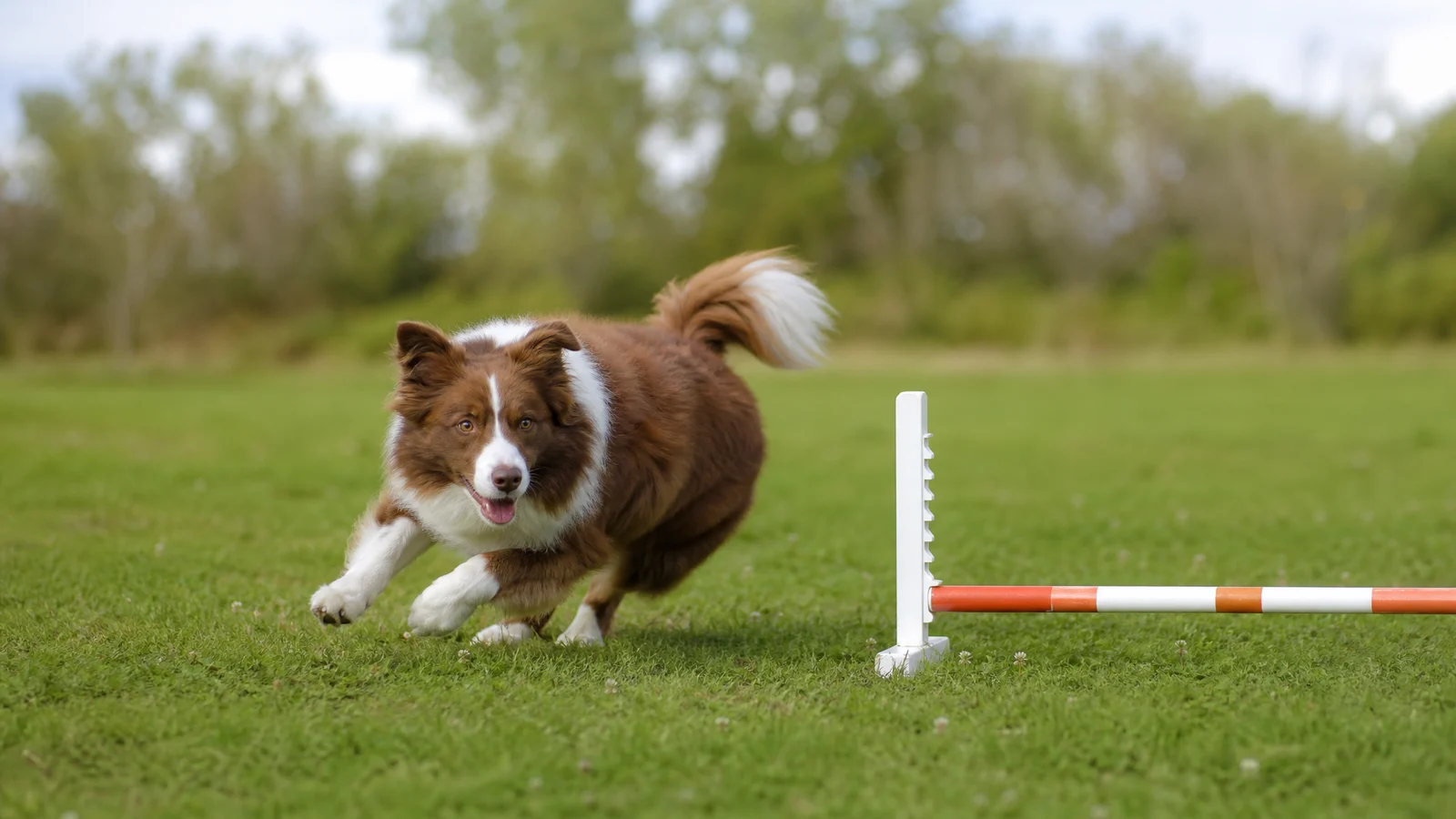 Exercise and jobsHow to Start Border Collie Agility Training With Low Jumps
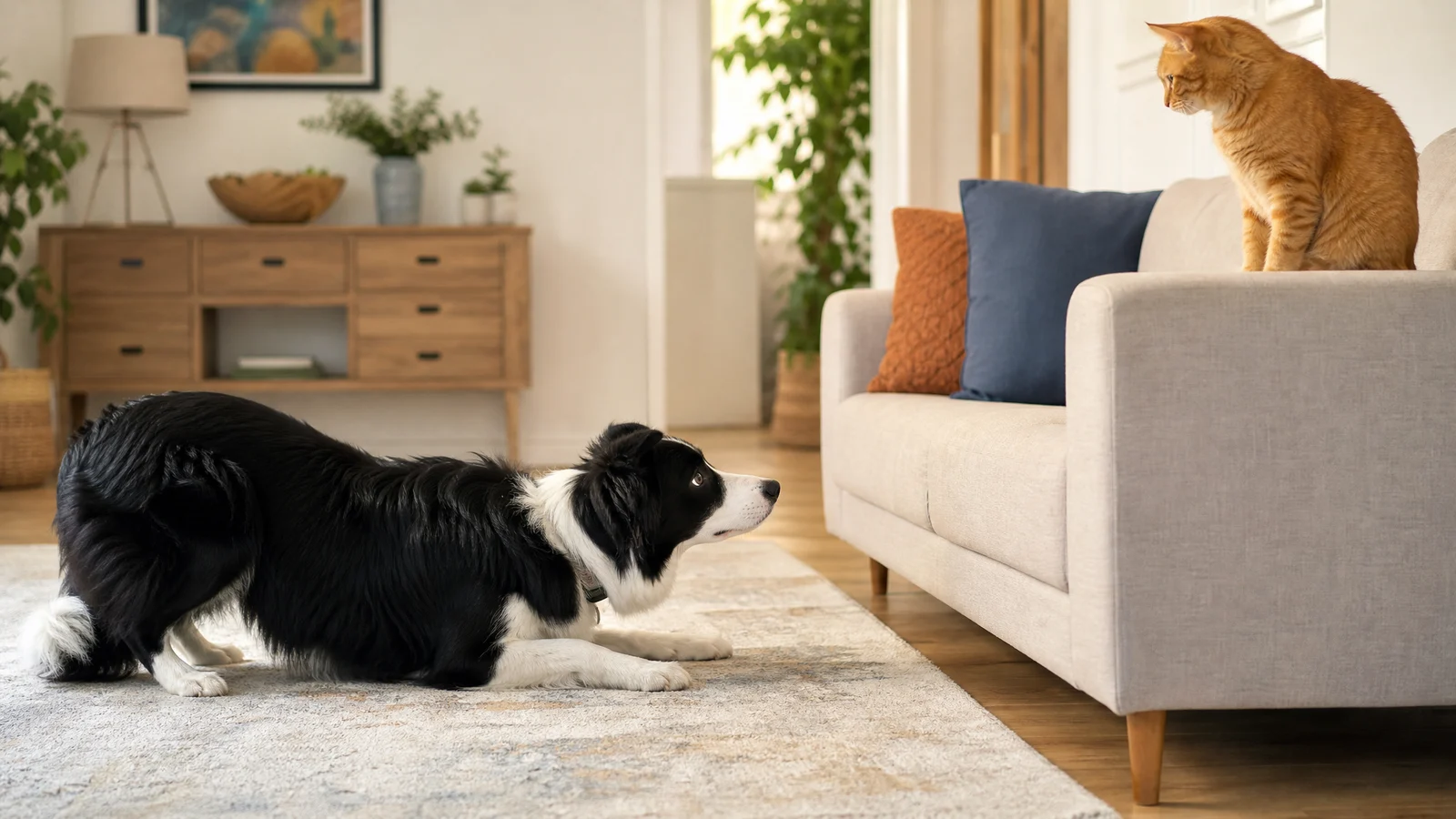 BehaviorBorder Collie Stare and Stalk: What It Means and What to Reward
 Training basicsCrate Training a Border Collie Who Shadows You Without Panic